
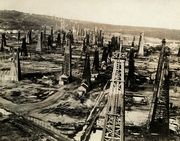


世界のIPPやIWPPについて。EPCに関する情報もここで。
IPP
Independent power producerとは、発電設備を自前で建設・運営し電力会社に卸売りする事業会社のこと。
IWPP
IWPP(Independent Water and Power Producer)とは、自前で発電・淡水化設備を建設・運営し、電力・水を販売する独立系発電・淡水化事業者のこと。
***************************************
AES
http://
International Power
http://
Suez Energy International
http://
IPP
Independent power producerとは、発電設備を自前で建設・運営し電力会社に卸売りする事業会社のこと。
IWPP
IWPP(Independent Water and Power Producer)とは、自前で発電・淡水化設備を建設・運営し、電力・水を販売する独立系発電・淡水化事業者のこと。
***************************************
AES
http://
International Power
http://
Suez Energy International
http://
|
|
|
|
コメント(14)
★三井物産@カタール★
三井物産、カタールで大型発電・事業費4000億円超
http://www.nikkei.co.jp/news/sangyo/20080325AT1D2402F24032008.html
【ドバイ=松尾博文】三井物産は中東カタールで大型発電・造水事業に乗り出す。カタール国営石油会社などと合弁会社を設立、2011年に操業を始める。総事業費は4000億円超で、日本企業による海外発電事業としては最大級。湾岸産油国では総額7兆円規模の発電・造水事業計画が進行中。日本勢は今回の事業を加え全体の2割に関与することになり、インフラ整備の担い手として存在感が急速に高まる。
今週中にもカタールの首都ドーハで事業契約に調印する。三井物産とベルギーの電力大手スエズがそれぞれ20%、残りをカタール国営石油などが出資して合弁会社を設立。ドーハ北方のラスラファン工業地区に発電・海水淡水化設備を建設する。発電タービンは三菱重工業が供給する。
三井物産、カタールで大型発電・事業費4000億円超
http://www.nikkei.co.jp/news/sangyo/20080325AT1D2402F24032008.html
【ドバイ=松尾博文】三井物産は中東カタールで大型発電・造水事業に乗り出す。カタール国営石油会社などと合弁会社を設立、2011年に操業を始める。総事業費は4000億円超で、日本企業による海外発電事業としては最大級。湾岸産油国では総額7兆円規模の発電・造水事業計画が進行中。日本勢は今回の事業を加え全体の2割に関与することになり、インフラ整備の担い手として存在感が急速に高まる。
今週中にもカタールの首都ドーハで事業契約に調印する。三井物産とベルギーの電力大手スエズがそれぞれ20%、残りをカタール国営石油などが出資して合弁会社を設立。ドーハ北方のラスラファン工業地区に発電・海水淡水化設備を建設する。発電タービンは三菱重工業が供給する。
過去の「アラブ諸国」トピックより
★GE★
GE、中東事業を2010年に2倍・電力、淡水化設備など重点
http://www.nikkei.co.jp/news/kaigai/20070605AT2M0201904062007.html
【カイロ=金沢浩明】米ゼネラル・エレクトリック(GE)は中東での売上高を2010年までに現在の2倍の110億ドル(約1兆3000億円)に増やす計画だ。中東地域の電力、水などのインフラ需要の急拡大で、設備・機械の受注機会が増えているため。合弁事業などによる現地生産も進め、中東を最重点地域として開拓する。
GEの中東での売上高は2001年の13億ドルから昨年は55億ドルに増加。今後も「毎年2割ずつは伸びる」(ナビル・ハバエブ中東アフリカ地域CEO=最高経営責任者)と判断した。特にこのほどアラブ首長国連邦(UAE)のドバイのフリーゾーンから水供給施設の運営・維持を5億5000万ドルで受注するなど、GEの主要事業の一つである発電・海水淡水化設備などの需要が大きいと判断した。
************************************
★丸紅★
丸紅がUAEで発電・淡水化事業、インフラ整備に協力
http://www.nikkei.co.jp/news/sangyo/20070606AT1D0500J05062007.html
丸紅はアラブ首長国連邦(UAE)で発電・海水淡水化事業に乗り出す。総事業費は約3600億円で日本企業の海外発電事業では最大級。経済発展が続く中東では電力・水が不足し、インフラ整備が急務になっている。丸紅は日本にとって第2位の原油輸入相手国であるUAEに協力、原油の安定調達につなげる。安倍晋三首相はエネルギー政策の一環として中東との「重層的な関係づくり」を進めており、日本政府も公的融資で事業を支援する。
UAE北東部のフジャイラに天然ガス火力発電所と淡水化設備を組み合わせた施設を建設する。発電能力は200万キロワットと日本の原子力発電所2基分に相当。造水能力は日量59万トンで、日本の家庭なら188万人分の生活用水を賄える。発電設備は仏重電大手アルストム製を採用。今年12月に着工、2010年度の運転開始を目指す。
************************************
★三井物産@クウェート★
三井物産、発電設備など1600億円で受注
http://www.nikkei.co.jp/news/sangyo/20070626AT1D2506025062007.html
三井物産はクウェートの発電・海水淡水化設備建設を約13億ドル(約1600億円)で受注した。同社が中東で受注したインフラ設備としては最大規模となる。発注元のクウェート水電力省から受注内示の通知があり、来月前半にも正式契約を結ぶ。オイルマネーで潤う中東湾岸諸国はインフラ整備を急いでいる。丸紅もアラブ首長国連邦(UAE)で発電・淡水化の大型事業に乗り出す計画で、日本企業の受注機会が広がりそうだ。
受注したのはガスタービンで発電後、その排熱を利用し蒸気タービンでもう一度発電する複合火力発電設備。蒸気タービンを回した後の排熱で海水を沸かし、真水を造る造水設備も一体で受注した。発電能力は75万キロワットと、日本の家庭なら約30万世帯の電力を賄える規模。造水能力は1日当たり約20万トン。ともにクウェート国内の民生用に供給される。
************************************
★丸紅★
丸紅、UAEで発電・海水淡水化事業・英社と組む
http://www.nikkei.co.jp/news/past/honbun.cfm?i=AT1D0204C%2002082007&g=S1&d=20070802
丸紅は2日、英電力のインターナショナルパワーと組み、アラブ首長国連邦(UAE)で発電・海水淡水化事業に乗り出すと正式に発表した。総事業費は約 28億ドル(3300億円)で、日本企業が参画する案件としては過去最大級。経済発展が続く中東産油国では電力・水の不足が懸念されており、丸紅は今後も同地域のインフラ整備事業を拡大する。
1日付で発注元のアブダビ水電力庁と電力・水の売買に関する契約を結んだ。オマーン湾に面するフジャイラに出力200万キロワットの火力発電所と日量 59万トンの水を作る海水淡水化設備を一体建設し、20年間に渡り運営する。今年12月に着工、2010年度の運転開始を目指す。
★GE★
GE、中東事業を2010年に2倍・電力、淡水化設備など重点
http://www.nikkei.co.jp/news/kaigai/20070605AT2M0201904062007.html
【カイロ=金沢浩明】米ゼネラル・エレクトリック(GE)は中東での売上高を2010年までに現在の2倍の110億ドル(約1兆3000億円)に増やす計画だ。中東地域の電力、水などのインフラ需要の急拡大で、設備・機械の受注機会が増えているため。合弁事業などによる現地生産も進め、中東を最重点地域として開拓する。
GEの中東での売上高は2001年の13億ドルから昨年は55億ドルに増加。今後も「毎年2割ずつは伸びる」(ナビル・ハバエブ中東アフリカ地域CEO=最高経営責任者)と判断した。特にこのほどアラブ首長国連邦(UAE)のドバイのフリーゾーンから水供給施設の運営・維持を5億5000万ドルで受注するなど、GEの主要事業の一つである発電・海水淡水化設備などの需要が大きいと判断した。
************************************
★丸紅★
丸紅がUAEで発電・淡水化事業、インフラ整備に協力
http://www.nikkei.co.jp/news/sangyo/20070606AT1D0500J05062007.html
丸紅はアラブ首長国連邦(UAE)で発電・海水淡水化事業に乗り出す。総事業費は約3600億円で日本企業の海外発電事業では最大級。経済発展が続く中東では電力・水が不足し、インフラ整備が急務になっている。丸紅は日本にとって第2位の原油輸入相手国であるUAEに協力、原油の安定調達につなげる。安倍晋三首相はエネルギー政策の一環として中東との「重層的な関係づくり」を進めており、日本政府も公的融資で事業を支援する。
UAE北東部のフジャイラに天然ガス火力発電所と淡水化設備を組み合わせた施設を建設する。発電能力は200万キロワットと日本の原子力発電所2基分に相当。造水能力は日量59万トンで、日本の家庭なら188万人分の生活用水を賄える。発電設備は仏重電大手アルストム製を採用。今年12月に着工、2010年度の運転開始を目指す。
************************************
★三井物産@クウェート★
三井物産、発電設備など1600億円で受注
http://www.nikkei.co.jp/news/sangyo/20070626AT1D2506025062007.html
三井物産はクウェートの発電・海水淡水化設備建設を約13億ドル(約1600億円)で受注した。同社が中東で受注したインフラ設備としては最大規模となる。発注元のクウェート水電力省から受注内示の通知があり、来月前半にも正式契約を結ぶ。オイルマネーで潤う中東湾岸諸国はインフラ整備を急いでいる。丸紅もアラブ首長国連邦(UAE)で発電・淡水化の大型事業に乗り出す計画で、日本企業の受注機会が広がりそうだ。
受注したのはガスタービンで発電後、その排熱を利用し蒸気タービンでもう一度発電する複合火力発電設備。蒸気タービンを回した後の排熱で海水を沸かし、真水を造る造水設備も一体で受注した。発電能力は75万キロワットと、日本の家庭なら約30万世帯の電力を賄える規模。造水能力は1日当たり約20万トン。ともにクウェート国内の民生用に供給される。
************************************
★丸紅★
丸紅、UAEで発電・海水淡水化事業・英社と組む
http://www.nikkei.co.jp/news/past/honbun.cfm?i=AT1D0204C%2002082007&g=S1&d=20070802
丸紅は2日、英電力のインターナショナルパワーと組み、アラブ首長国連邦(UAE)で発電・海水淡水化事業に乗り出すと正式に発表した。総事業費は約 28億ドル(3300億円)で、日本企業が参画する案件としては過去最大級。経済発展が続く中東産油国では電力・水の不足が懸念されており、丸紅は今後も同地域のインフラ整備事業を拡大する。
1日付で発注元のアブダビ水電力庁と電力・水の売買に関する契約を結んだ。オマーン湾に面するフジャイラに出力200万キロワットの火力発電所と日量 59万トンの水を作る海水淡水化設備を一体建設し、20年間に渡り運営する。今年12月に着工、2010年度の運転開始を目指す。
過去の「アラブ諸国」トピックより (2)
オマーン:南部の電力プラント建設で丸紅、三井物産など8社が候補に
http://www.bloomberg.com/apps/news?pid=90003004&sid=adDSNyAZlhKk&refer=jp_commodity
9月26日(ブルームバーグ):オマーン国営のオマーン・パワー・アンド・ウォーター・プロキュアメントは26日、南部のサラーラ地方での電力・海水淡水化プラント建設事業で、丸紅や三井物産、米ゼネラル・エレクトリック(GE)など8社を最終候補に選んだことを明らかにした。
オマーン・パワーがこの日ウェブサイトで発表した資料によると、同事業の入札には、21社が参加していた。
原題:Oman Short-Lists Bidders for Salalah Power Plant (Update1)(抜粋) {NXTW NSN JOYRTO07SXKZ <GO>}
************************************
三井物産、エジプトで太陽熱・ガス統合発電設備建設契約を約230億円で受注
http://www.nikkei.co.jp/news/sangyo/20071001AT1D2901R30092007.html
当社はエジプト電力・エネルギー省傘下の新・再生可能エネルギー庁(New and Renewable Energy Authority)より、円借款により推進されるコライマット太陽熱・ガス統合発電設備建設契約を受注しました(案件概要以下御参照)。 本契約は、機器納入・土木据付込みフル・ターンキー契約で、当社はIberinco社(西国)とコンソーシアムを組成し、米国GE製ガスタービン並びに国内メーカー製蒸気タービンを起用して、ガス統合発電設備部分を納入します。契約金額は約230億円です。
エジプトでは、近年、電力需要が毎年約7%の高い伸びを示しており、需給が逼迫した状況が続いています。同国の電力需要は今後も同様の伸びが予想されており、発電設備の整備が課題となっています。又、エジプト政府は、今後の発電設備の整備に当たっては、環境負荷軽減効果を重視し、水力、太陽熱、風力等の新・再生エネルギーを活用することとしており、2011年迄に整備する発電設備容量のうち約3%に当たる880MWを同エネルギーにより賄う方針です。 本プロジェクトは、太陽熱集熱装置から得た熱エネルギーをガスコンバインドサイクルに転嫁し発電の補助エネルギーとする世界でも初の新方式の発電システムであり、パイロット事業としての効果が期待出来ると共に、電力の供給能力及び発電効率の向上、並びに環境負荷の軽減を実現します。
日本政府も円借款供与を通じて本件を支援しており、当社も引続き積極的に優良案件の受注に努め同地域の基幹インフラ整備に貢献します。
【案件概要】
1)設備概要 150MW太陽熱・ガス焚複合火力発電設備一基
2)発注者 新・再生可能エネルギー庁(エジプト・電力・エネルギー省傘下)
3)契約内容
提供役務 発電設備一式の設計、資機材調達、建設、据付、調整
契約形態 ランプサムフルターンキー契約
4)受注者 当社、Iberinco社のコンソーシアム
5)契約金額 約230億円
6)納期 契約発効後30ヶ月
7)建設場所 カイロ市南約100kmコライマット地区
************************************
三井物産、エジプトとアルメニアで発電設備受注・計480億円
http://www.nikkei.co.jp/news/sangyo/20071001AT1D2901R30092007.html
三井物産は9月30日、エジプトとアルメニアでそれぞれ発電設備を受注した。受注額はエジプトが230億円、アルメニアが250億円。同社は6月にクウェートで約1600億円の発電・海水淡水化設備を受注しており産油国や新興国での事業に弾みをつける。
両設備ともに2010年4月ごろの運転開始を予定。エジプトでは政府の新・再生可能エネルギー庁から、スペインのイベリンコ社と共同で受注。ガスや蒸気のタービンを利用した複合発電設備で、蒸気タービンの補助エネルギーとして世界で初めて太陽熱を活用する。発電能力は150メガワット。アルメニアでは政府エネルギー省傘下のエレバン火力発電公社から、韓国のGS建設と共同で受注した
オマーン:南部の電力プラント建設で丸紅、三井物産など8社が候補に
http://www.bloomberg.com/apps/news?pid=90003004&sid=adDSNyAZlhKk&refer=jp_commodity
9月26日(ブルームバーグ):オマーン国営のオマーン・パワー・アンド・ウォーター・プロキュアメントは26日、南部のサラーラ地方での電力・海水淡水化プラント建設事業で、丸紅や三井物産、米ゼネラル・エレクトリック(GE)など8社を最終候補に選んだことを明らかにした。
オマーン・パワーがこの日ウェブサイトで発表した資料によると、同事業の入札には、21社が参加していた。
原題:Oman Short-Lists Bidders for Salalah Power Plant (Update1)(抜粋) {NXTW NSN JOYRTO07SXKZ <GO>}
************************************
三井物産、エジプトで太陽熱・ガス統合発電設備建設契約を約230億円で受注
http://www.nikkei.co.jp/news/sangyo/20071001AT1D2901R30092007.html
当社はエジプト電力・エネルギー省傘下の新・再生可能エネルギー庁(New and Renewable Energy Authority)より、円借款により推進されるコライマット太陽熱・ガス統合発電設備建設契約を受注しました(案件概要以下御参照)。 本契約は、機器納入・土木据付込みフル・ターンキー契約で、当社はIberinco社(西国)とコンソーシアムを組成し、米国GE製ガスタービン並びに国内メーカー製蒸気タービンを起用して、ガス統合発電設備部分を納入します。契約金額は約230億円です。
エジプトでは、近年、電力需要が毎年約7%の高い伸びを示しており、需給が逼迫した状況が続いています。同国の電力需要は今後も同様の伸びが予想されており、発電設備の整備が課題となっています。又、エジプト政府は、今後の発電設備の整備に当たっては、環境負荷軽減効果を重視し、水力、太陽熱、風力等の新・再生エネルギーを活用することとしており、2011年迄に整備する発電設備容量のうち約3%に当たる880MWを同エネルギーにより賄う方針です。 本プロジェクトは、太陽熱集熱装置から得た熱エネルギーをガスコンバインドサイクルに転嫁し発電の補助エネルギーとする世界でも初の新方式の発電システムであり、パイロット事業としての効果が期待出来ると共に、電力の供給能力及び発電効率の向上、並びに環境負荷の軽減を実現します。
日本政府も円借款供与を通じて本件を支援しており、当社も引続き積極的に優良案件の受注に努め同地域の基幹インフラ整備に貢献します。
【案件概要】
1)設備概要 150MW太陽熱・ガス焚複合火力発電設備一基
2)発注者 新・再生可能エネルギー庁(エジプト・電力・エネルギー省傘下)
3)契約内容
提供役務 発電設備一式の設計、資機材調達、建設、据付、調整
契約形態 ランプサムフルターンキー契約
4)受注者 当社、Iberinco社のコンソーシアム
5)契約金額 約230億円
6)納期 契約発効後30ヶ月
7)建設場所 カイロ市南約100kmコライマット地区
************************************
三井物産、エジプトとアルメニアで発電設備受注・計480億円
http://www.nikkei.co.jp/news/sangyo/20071001AT1D2901R30092007.html
三井物産は9月30日、エジプトとアルメニアでそれぞれ発電設備を受注した。受注額はエジプトが230億円、アルメニアが250億円。同社は6月にクウェートで約1600億円の発電・海水淡水化設備を受注しており産油国や新興国での事業に弾みをつける。
両設備ともに2010年4月ごろの運転開始を予定。エジプトでは政府の新・再生可能エネルギー庁から、スペインのイベリンコ社と共同で受注。ガスや蒸気のタービンを利用した複合発電設備で、蒸気タービンの補助エネルギーとして世界で初めて太陽熱を活用する。発電能力は150メガワット。アルメニアでは政府エネルギー省傘下のエレバン火力発電公社から、韓国のGS建設と共同で受注した
過去の「アラブ諸国」トピックより (3)
台湾、官民あげ応札…サウジ発電所受注濃厚…総額3450億円
中東進出の足がかりに
http://www.business-i.jp/news/china-page/news/200710040024a.nwc
FujiSankei Business i. 2007/10/4
台湾が官民あげて交渉を進めている総額約30億ドル(約3450億円)にのぼるサウジアラビアの発電所建設案件で、受注が有力視されていることが明らかになった。台湾紙、経済日報が3日までに伝えた。台湾電力と上水道供給会社の台湾自来水、熱電併給システム会社の台湾汽電共生の3社が共同で、サウジアラビア東部に水力発電所を建設する案件。台湾経済省が全面支援している。
サウジが今年5月に計画を決めた沿岸型の水力発電所は、最大110万キロワットと通常の火力発電所の発電設備2基分に相当する大型案件。同時に1日あたり100万トン規模の海水淡化工場を併設する。同省によると3社とサウジの現地企業が提携した「台沙投資団体」は国際入札で資格審査を通過した。日欧勢なども同案件に関心を示しているというが、台湾勢の受注が濃厚になっている。
台湾側は3社共同で総額36億台湾元(約126億円)を、同プロジェクトに投資する計画だ。
同省はサウジでの案件受注で、台湾企業による中東市場でのプラント受注に弾みをつけたい考えで、サウジ当局と昨年から協議を始めていた。設備輸出への制度金融適用なども含め、台湾当局がバックアップするとしている。(河崎真澄)
台湾、官民あげ応札…サウジ発電所受注濃厚…総額3450億円
中東進出の足がかりに
http://www.business-i.jp/news/china-page/news/200710040024a.nwc
FujiSankei Business i. 2007/10/4
台湾が官民あげて交渉を進めている総額約30億ドル(約3450億円)にのぼるサウジアラビアの発電所建設案件で、受注が有力視されていることが明らかになった。台湾紙、経済日報が3日までに伝えた。台湾電力と上水道供給会社の台湾自来水、熱電併給システム会社の台湾汽電共生の3社が共同で、サウジアラビア東部に水力発電所を建設する案件。台湾経済省が全面支援している。
サウジが今年5月に計画を決めた沿岸型の水力発電所は、最大110万キロワットと通常の火力発電所の発電設備2基分に相当する大型案件。同時に1日あたり100万トン規模の海水淡化工場を併設する。同省によると3社とサウジの現地企業が提携した「台沙投資団体」は国際入札で資格審査を通過した。日欧勢なども同案件に関心を示しているというが、台湾勢の受注が濃厚になっている。
台湾側は3社共同で総額36億台湾元(約126億円)を、同プロジェクトに投資する計画だ。
同省はサウジでの案件受注で、台湾企業による中東市場でのプラント受注に弾みをつけたい考えで、サウジ当局と昨年から協議を始めていた。設備輸出への制度金融適用なども含め、台湾当局がバックアップするとしている。(河崎真澄)
過去の「ASEAN」、「インドネシア」、「マレーシア」トピックより
住商と日立、タイで天然ガス火力発電設備など受注 (ロイター)
http://money.www.infoseek.co.jp/MnJbn/jbntext/?id=15reutersJAPAN251313
2007年3月15日(木)15時41分
[東京 15日 ロイター] 住友商事<8053.T>は15日、日立製作所<6501.T>、タイ最大手の建設会社であるイタリアン・タイ<ITD.BK>と共同で、タイの発電公社「EGAT」から天然ガス火力発電所向けの設備と建設工事を受注したと発表した。受注総額は約400億円。
受注したのは出力70万キロワットの複合火力発電所設備で、バンコク市内にあるEGAT本社敷地内に建設される。日立が発電プラント全体の設計や蒸気タービン・発電機の供給などを担当し、住商は主契約者として取引条件の取りまとめを行ったほか、部品の調達などに当たる。ガスタービンは米ゼネラル・エレクトリック<GE.N>製を採用する。プラントの完工は2010年3月の予定。
****************************
Jパワーがコンサル受注、ニンビン2火力[公益]
http://nna.asia.ne.jp.edgesuite.net/freetop/top/free_icn_daily.html
2007年05月24日 インドシナ
電源開発(Jパワー)は22日、電力グループ(EVN)が円借款を利用して北部ニンビン省に建設するニンビン2石炭火力発電所の施工監理に関係するコンサルタント業務を受注したと発表した。契約額は税額を除いて7億円。Jパワーがベトナムの基幹電源開発で施工監理を手掛けるのはこれで6件目となる。同社は将来の独立系発電事業者(IPP)事業参入を狙うなど、今後もベトナムで積極的に事業拡大を目指す考えだ。
Jパワーは今回、スイスのコレンコ発電エンジニアリングと共同で案件を受注した。この手のコンサル業務で同社とパートナーを組むのは今回が初めてという。両社はコンサル業務のほか、国際入札支援も行う。契約期間は今年6月〜2013年12月の予定だ。
Jパワー広報室の話では、コレンコとともに現地に計15人の技術者を派遣し、うち12人はJパワーが出す。両社は役割分担をしており、コレンコ派遣の技術者3人はそれぞれ周辺設備、計測設備とサポートを担当。一方のJパワーは周辺設備を共同担当するほかは、ボイラー、タービン、電気、土木・建築など大部分の分野について、同社のみでコンサル業務を手掛けるとしている。
■環境面でも支援
ニンビン2石炭火力発電所は、経済発展に伴ってベトナム北部で急増している電力需要に対応するため、EVNが既存のニンビン石炭火力発電所に隣接して建設する33万キロワットの発電所。総工費は円換算で446億5,900万円で、うち約76%に当たる338億5,400万円を円借款で賄う。来年3月着工、11年の営業運転開始を予定している。
同発電所では燃料として、既存の火力発電所と同様に北部産の無煙炭を使用予定。また03年に改正された日本の新環境基準に準拠するように、EVNの石炭火力発電所としては最大規模となる脱硫効率95%の全量式湿式脱硫装置を設置するほか、将来の脱硝設備設置に備えたスペースも確保するという。Jパワー広報室は、脱硫装置の選定や設置場所についても同社でコンサルを行うと説明した。
■「越市場を重視」
Jパワー広報室によると、同社がベトナムで事業を手掛けるのは、小規模プロジェクトも含めると今回が18件目という。同社は、ベトナムでの電力需要が00年以降は年平均16%の割合で伸びており、10年までこの傾向が続くと見込まれていることを指摘。ベトナムを「東南アジアで電力需要の伸びが著しい国」と位置づけ、「将来はIPPでも参入したい」とビジネスチャンス確保に強い意欲を示した。<ベトナム>
住商と日立、タイで天然ガス火力発電設備など受注 (ロイター)
http://money.www.infoseek.co.jp/MnJbn/jbntext/?id=15reutersJAPAN251313
2007年3月15日(木)15時41分
[東京 15日 ロイター] 住友商事<8053.T>は15日、日立製作所<6501.T>、タイ最大手の建設会社であるイタリアン・タイ<ITD.BK>と共同で、タイの発電公社「EGAT」から天然ガス火力発電所向けの設備と建設工事を受注したと発表した。受注総額は約400億円。
受注したのは出力70万キロワットの複合火力発電所設備で、バンコク市内にあるEGAT本社敷地内に建設される。日立が発電プラント全体の設計や蒸気タービン・発電機の供給などを担当し、住商は主契約者として取引条件の取りまとめを行ったほか、部品の調達などに当たる。ガスタービンは米ゼネラル・エレクトリック<GE.N>製を採用する。プラントの完工は2010年3月の予定。
****************************
Jパワーがコンサル受注、ニンビン2火力[公益]
http://nna.asia.ne.jp.edgesuite.net/freetop/top/free_icn_daily.html
2007年05月24日 インドシナ
電源開発(Jパワー)は22日、電力グループ(EVN)が円借款を利用して北部ニンビン省に建設するニンビン2石炭火力発電所の施工監理に関係するコンサルタント業務を受注したと発表した。契約額は税額を除いて7億円。Jパワーがベトナムの基幹電源開発で施工監理を手掛けるのはこれで6件目となる。同社は将来の独立系発電事業者(IPP)事業参入を狙うなど、今後もベトナムで積極的に事業拡大を目指す考えだ。
Jパワーは今回、スイスのコレンコ発電エンジニアリングと共同で案件を受注した。この手のコンサル業務で同社とパートナーを組むのは今回が初めてという。両社はコンサル業務のほか、国際入札支援も行う。契約期間は今年6月〜2013年12月の予定だ。
Jパワー広報室の話では、コレンコとともに現地に計15人の技術者を派遣し、うち12人はJパワーが出す。両社は役割分担をしており、コレンコ派遣の技術者3人はそれぞれ周辺設備、計測設備とサポートを担当。一方のJパワーは周辺設備を共同担当するほかは、ボイラー、タービン、電気、土木・建築など大部分の分野について、同社のみでコンサル業務を手掛けるとしている。
■環境面でも支援
ニンビン2石炭火力発電所は、経済発展に伴ってベトナム北部で急増している電力需要に対応するため、EVNが既存のニンビン石炭火力発電所に隣接して建設する33万キロワットの発電所。総工費は円換算で446億5,900万円で、うち約76%に当たる338億5,400万円を円借款で賄う。来年3月着工、11年の営業運転開始を予定している。
同発電所では燃料として、既存の火力発電所と同様に北部産の無煙炭を使用予定。また03年に改正された日本の新環境基準に準拠するように、EVNの石炭火力発電所としては最大規模となる脱硫効率95%の全量式湿式脱硫装置を設置するほか、将来の脱硝設備設置に備えたスペースも確保するという。Jパワー広報室は、脱硫装置の選定や設置場所についても同社でコンサルを行うと説明した。
■「越市場を重視」
Jパワー広報室によると、同社がベトナムで事業を手掛けるのは、小規模プロジェクトも含めると今回が18件目という。同社は、ベトナムでの電力需要が00年以降は年平均16%の割合で伸びており、10年までこの傾向が続くと見込まれていることを指摘。ベトナムを「東南アジアで電力需要の伸びが著しい国」と位置づけ、「将来はIPPでも参入したい」とビジネスチャンス確保に強い意欲を示した。<ベトナム>
過去の「ASEAN」、「インドネシア」、「マレーシア」トピックより (2)
丸紅とケッペル,セムコープ:テマセク電力子会社に買収提案へ-銀行家
http://www.bloomberg.com/apps/news?pid=90003017&sid=aZzYYPkjxmAI&refer=jp_japan
7月23日(ブルームバーグ):大手商社の丸紅とシンガポールのケッペル、セムコープ・インダストリーズの3社は、シンガポール政府系投資会社テマセクの電力子会社に買収を提案する計画だ。同取引に詳しい3人の銀行関係者が23日に明らかにした。
関係者によると、ケッペルとセムコープは今月、一部の銀行に融資と助言を求めたという。電力子会社はパワー・セノコとパワー・セラヤ、トゥアス・パワーの3社。資産価値はそれぞれ約25億シンガポール・ドル(約2000億円)で、向こう2年間に売却される可能性がある。
景気拡大で電力使用量が増大するなか、テマセクは6月19日に、一部事業の売却を明らかにしている。これら電力3社で国内発電能力の90%を占め、アジア・太平洋地域の投資家を引き付ける可能性がある。同地域でのエネルギー関連企業買収は年初来で総額535億ドル(約6兆4900億円)に上る。
丸紅の広報担当者は買収を提案するかどうかに関して、コメントを控えた。
****************************
第2ハイフォン火力発電所が着工
http://viet-jo.com/news/economy/070705033351.html
2007/07/05 18:04 JST更新
ハイフォン発電株式会社は4日、北部ハイフォン市トゥイグエン郡で第2ハイフォン火力発電所(出力600メガワット)を着工した。完成すれば年間36億キロワット時の電力を供給できる。投資額は9兆9000億ドン(約760億円)。2010年3月の稼動開始が予定されている。なお同案件では、日本の丸紅と中国の東方電気集団による共同企業体(JV)が、第1ハイフォン火力発電所に引き続いてEPC(設計・調達・建設)契約を受注している。
****************************
ベトナム企業、ラオスに発電所建設へ
http://www.newsclip.be/news/2007807_014439.html
2007/8/ 7 (00:50)
【ベトナム】ベトナムの建設大手ソンダー・コーポレーション、国営石油会社ペトロベトナム、ベトナム投資開発銀行(BIDV)など9社はこのほど、ラオスでの発電所建設に向けた合弁会社「ベトナム・ラオス・パワー(VLPC)」を設立した。資本金は5兆3000億ドン(3億2800万米ドル)。サイゴン・ザイフォン(電子版)が報じた。
VLPCは両国の電力協力プログラムに基づき、ラオス国内に水力発電所を建設する。2010年までに28億米ドルを投資する。
丸紅とケッペル,セムコープ:テマセク電力子会社に買収提案へ-銀行家
http://www.bloomberg.com/apps/news?pid=90003017&sid=aZzYYPkjxmAI&refer=jp_japan
7月23日(ブルームバーグ):大手商社の丸紅とシンガポールのケッペル、セムコープ・インダストリーズの3社は、シンガポール政府系投資会社テマセクの電力子会社に買収を提案する計画だ。同取引に詳しい3人の銀行関係者が23日に明らかにした。
関係者によると、ケッペルとセムコープは今月、一部の銀行に融資と助言を求めたという。電力子会社はパワー・セノコとパワー・セラヤ、トゥアス・パワーの3社。資産価値はそれぞれ約25億シンガポール・ドル(約2000億円)で、向こう2年間に売却される可能性がある。
景気拡大で電力使用量が増大するなか、テマセクは6月19日に、一部事業の売却を明らかにしている。これら電力3社で国内発電能力の90%を占め、アジア・太平洋地域の投資家を引き付ける可能性がある。同地域でのエネルギー関連企業買収は年初来で総額535億ドル(約6兆4900億円)に上る。
丸紅の広報担当者は買収を提案するかどうかに関して、コメントを控えた。
****************************
第2ハイフォン火力発電所が着工
http://viet-jo.com/news/economy/070705033351.html
2007/07/05 18:04 JST更新
ハイフォン発電株式会社は4日、北部ハイフォン市トゥイグエン郡で第2ハイフォン火力発電所(出力600メガワット)を着工した。完成すれば年間36億キロワット時の電力を供給できる。投資額は9兆9000億ドン(約760億円)。2010年3月の稼動開始が予定されている。なお同案件では、日本の丸紅と中国の東方電気集団による共同企業体(JV)が、第1ハイフォン火力発電所に引き続いてEPC(設計・調達・建設)契約を受注している。
****************************
ベトナム企業、ラオスに発電所建設へ
http://www.newsclip.be/news/2007807_014439.html
2007/8/ 7 (00:50)
【ベトナム】ベトナムの建設大手ソンダー・コーポレーション、国営石油会社ペトロベトナム、ベトナム投資開発銀行(BIDV)など9社はこのほど、ラオスでの発電所建設に向けた合弁会社「ベトナム・ラオス・パワー(VLPC)」を設立した。資本金は5兆3000億ドン(3億2800万米ドル)。サイゴン・ザイフォン(電子版)が報じた。
VLPCは両国の電力協力プログラムに基づき、ラオス国内に水力発電所を建設する。2010年までに28億米ドルを投資する。
過去の「ASEAN」、「インドネシア」、「マレーシア」トピックより (3)
欧スエズが3度目で落札、カラカ発電所[公益]
http://news.nna.jp/freetop/top/free_php_daily.html
2007年10月17日 フィリピン
バタンガス州にあるカラカ石炭火力発電所(発電能力600メガワット=MW)の3度目となる民営化入札が16日に行われ、欧州系スエズ・トラクテベル傘下のカラカ・ホルドコが落札した。
電力部門資産負債管理会社(PSALM)によると、同社のほかに地場ロペス系のファーストジェン、米国のAESが応札したが、今回の入札参加を目的に6月 13日に設立されたカラカ・ホルドコが提示した7億8,652万7,001米ドルが最高額だったという。カラカ発電所には当初、国内外の18社が関心を寄せていた。
スエズ・グループは独立発電業者の世界的大手で、総発電能力は2006年末時点で6万MWとなっている。
PSALMは、落札者向けに総発電量の48%に相当する287MWの供給契約を結んでいるとされる。配電事業者のマニラ・エレクトリック(メラルコ)が最大の契約先で、供給量は169MWを占める。
カラカ発電所の入札は今回で3回目。2005年6月の初回入札では、複数企業が事前審査を通過したが、落札後の供給契約の不備などを理由に参加者が集まらず不成立。前回の06年4月には、コンスンジ系のDMCIホールディングスとファーストジェンが参加したが、2社の提示額がPSALMの最低応札額を下回り、失敗に終わっている。
PSALMは今後も政府電力資産の民営化を推進する方針で、来月28日にベンゲット州のアンブクラオ、ビンガ両水力発電所(同計175MW)、12月5日にネグロスオリエンタル州のパリンピノン地熱発電所(同192.5MW)とパナイ・ディーゼル発電所(164.5MW)、同月19日に首都圏マニラ市パコにある稼働停止中の発電所の入札をそれぞれ予定している。併せて送電事業者ナショナル・トランスミッション(トランスコ)の事業権入札も12月12日に実施する見通しだ。
***************************
テマセク、シンガポールの発電所を中国企業に売却
http://www.nikkei.co.jp/news/past/honbun.cfm?i=AT2M1402A%2014032008&g=G1&d=20080314
【シンガポール=野間潔】シンガポールの政府系ファンド、テマセク・ホールディングスは14日、国内の主要発電所トゥアス・パワーを中国最大の電力会社、中国華能電力集団に42億3500万シンガポールドル(約3090億円)で売却すると発表した。テマセクは昨年10月、国内主要3発電所の民営化を公表していた。
落札したのは中国華能電力のシンガポール子会社シノシン・パワー。トゥアス・パワーはシンガポール国内の約25%の電力を供給している。落札候補には丸紅など日本企業のほか、インド、オーストラリア、マレーシアなど6グループが残っていたもようだ。
***************************
星の発電大手買収、華能集団が3千億円で[公益]
http://news.nna.jp/free/news/20080317cny002A.html
中国最大の発電企業である中国華能集団は14日、シンガポール政府系投資会社テマセク・ホールディングスの子会社に当たる発電企業、トゥアス・パワーを買収したと発表した。買収額は42億3,500万シンガポールドル(約3,075億6,260万円)で、株式の 100%を取得する。中国のインフラ企業による本格的な海外投資として、今後の展開が注目を集めそうだ。
トゥアスはシンガポールの電力市場でシェア25%を占める発電大手。テマセクは傘下の発電企業3社を2009年6月までに売却する計画としており、トゥアスはその1社目。買収には華能のほか、丸紅や香港電灯(ホンコン・エレクトリック)、マレーシアのタンジョンなども名乗りを上げていたとされる。
華能は以前にもオーストラリアの電力企業への出資を行っているが、海外の電力企業の全株式を取得するのはこれが初めて。華能の黄竜・副総経理は今回の買収について「華能の “走出去(海外進出)”戦略における新たな一歩」としている。華能の資産総額は昨年末時点で3,250億元(約4兆5,955億円)に達しており、資金力を背景に、買収を経て海外での影響力を拡大する狙いがあるといえそうだ。
買収手続きは今月24日にも終了する見通し。一部業界関係者の間には、華能が今後テマセクの他の発電企業2社の売却に対し、再度名乗りを上げる可能性があるとの見方も出ている。東方早報などが伝えた。
欧スエズが3度目で落札、カラカ発電所[公益]
http://news.nna.jp/freetop/top/free_php_daily.html
2007年10月17日 フィリピン
バタンガス州にあるカラカ石炭火力発電所(発電能力600メガワット=MW)の3度目となる民営化入札が16日に行われ、欧州系スエズ・トラクテベル傘下のカラカ・ホルドコが落札した。
電力部門資産負債管理会社(PSALM)によると、同社のほかに地場ロペス系のファーストジェン、米国のAESが応札したが、今回の入札参加を目的に6月 13日に設立されたカラカ・ホルドコが提示した7億8,652万7,001米ドルが最高額だったという。カラカ発電所には当初、国内外の18社が関心を寄せていた。
スエズ・グループは独立発電業者の世界的大手で、総発電能力は2006年末時点で6万MWとなっている。
PSALMは、落札者向けに総発電量の48%に相当する287MWの供給契約を結んでいるとされる。配電事業者のマニラ・エレクトリック(メラルコ)が最大の契約先で、供給量は169MWを占める。
カラカ発電所の入札は今回で3回目。2005年6月の初回入札では、複数企業が事前審査を通過したが、落札後の供給契約の不備などを理由に参加者が集まらず不成立。前回の06年4月には、コンスンジ系のDMCIホールディングスとファーストジェンが参加したが、2社の提示額がPSALMの最低応札額を下回り、失敗に終わっている。
PSALMは今後も政府電力資産の民営化を推進する方針で、来月28日にベンゲット州のアンブクラオ、ビンガ両水力発電所(同計175MW)、12月5日にネグロスオリエンタル州のパリンピノン地熱発電所(同192.5MW)とパナイ・ディーゼル発電所(164.5MW)、同月19日に首都圏マニラ市パコにある稼働停止中の発電所の入札をそれぞれ予定している。併せて送電事業者ナショナル・トランスミッション(トランスコ)の事業権入札も12月12日に実施する見通しだ。
***************************
テマセク、シンガポールの発電所を中国企業に売却
http://www.nikkei.co.jp/news/past/honbun.cfm?i=AT2M1402A%2014032008&g=G1&d=20080314
【シンガポール=野間潔】シンガポールの政府系ファンド、テマセク・ホールディングスは14日、国内の主要発電所トゥアス・パワーを中国最大の電力会社、中国華能電力集団に42億3500万シンガポールドル(約3090億円)で売却すると発表した。テマセクは昨年10月、国内主要3発電所の民営化を公表していた。
落札したのは中国華能電力のシンガポール子会社シノシン・パワー。トゥアス・パワーはシンガポール国内の約25%の電力を供給している。落札候補には丸紅など日本企業のほか、インド、オーストラリア、マレーシアなど6グループが残っていたもようだ。
***************************
星の発電大手買収、華能集団が3千億円で[公益]
http://news.nna.jp/free/news/20080317cny002A.html
中国最大の発電企業である中国華能集団は14日、シンガポール政府系投資会社テマセク・ホールディングスの子会社に当たる発電企業、トゥアス・パワーを買収したと発表した。買収額は42億3,500万シンガポールドル(約3,075億6,260万円)で、株式の 100%を取得する。中国のインフラ企業による本格的な海外投資として、今後の展開が注目を集めそうだ。
トゥアスはシンガポールの電力市場でシェア25%を占める発電大手。テマセクは傘下の発電企業3社を2009年6月までに売却する計画としており、トゥアスはその1社目。買収には華能のほか、丸紅や香港電灯(ホンコン・エレクトリック)、マレーシアのタンジョンなども名乗りを上げていたとされる。
華能は以前にもオーストラリアの電力企業への出資を行っているが、海外の電力企業の全株式を取得するのはこれが初めて。華能の黄竜・副総経理は今回の買収について「華能の “走出去(海外進出)”戦略における新たな一歩」としている。華能の資産総額は昨年末時点で3,250億元(約4兆5,955億円)に達しており、資金力を背景に、買収を経て海外での影響力を拡大する狙いがあるといえそうだ。
買収手続きは今月24日にも終了する見通し。一部業界関係者の間には、華能が今後テマセクの他の発電企業2社の売却に対し、再度名乗りを上げる可能性があるとの見方も出ている。東方早報などが伝えた。
★湾岸地域★
湾岸アラブ地域で総額2兆ドルの事業が進行中=中東経済専門誌
http://www.worldtimes.co.jp/news/world/kiji/2008-03-31T153824Z_01_NOOTR_RTRMDNC_0_JAPAN-310777-1.html
3月30日、中東経済専門誌によると湾岸アラブ地域で総額2兆ドルの事業が進行中であることが明らかに。写真はドバイのビル建設現場。昨年12月撮影(2008年 ロイター) [拡大]
【ドバイ 30日 ロイター】 中東経済専門誌「ミドルイースト・エコノミック・ダイジェスト」(MEED)によると、湾岸アラブ地域で現在、総額2兆ドルに上るプロジェクトが発表または着工されている。
サウジアラビア、アラブ首長国連邦(UAE)、カタールやその他石油輸出国3カ国の経済は、2002年以降、原油価格の上昇によりそれまでの5倍のペースで成長しており、これら諸国は石油関連収入で、インフラから電力まであらゆる部門の開発に投資している。
建設、鉱工業、石油・ガス、石油化学、電力、上下水道などのプロジェクト発表を追跡している「MEEDプロジェクツ」によると、湾岸地域のプロジェクト総額は2兆ドルを超え、1年前を40%上回っている。
このプロジェクトブームは「建設コストの上昇で新規事業数が大幅に減少するのではないかとの懸念にもかかわらず」実現しているという。
内訳では、総額のうち1兆2000億ドル超が建設部門で占められ、次いで石油・ガスの4300億ドルとなっている。
また、全プロジェクトの37%はUAEが占めているという。
昨年9月には、UAEのアブダビ都市開発評議会が、政府と民間の投資家が2030年までにUAE域内で1634億ドルの不動産投資を行うと発表していた。
2008/03/31 15:38
湾岸アラブ地域で総額2兆ドルの事業が進行中=中東経済専門誌
http://www.worldtimes.co.jp/news/world/kiji/2008-03-31T153824Z_01_NOOTR_RTRMDNC_0_JAPAN-310777-1.html
3月30日、中東経済専門誌によると湾岸アラブ地域で総額2兆ドルの事業が進行中であることが明らかに。写真はドバイのビル建設現場。昨年12月撮影(2008年 ロイター) [拡大]
【ドバイ 30日 ロイター】 中東経済専門誌「ミドルイースト・エコノミック・ダイジェスト」(MEED)によると、湾岸アラブ地域で現在、総額2兆ドルに上るプロジェクトが発表または着工されている。
サウジアラビア、アラブ首長国連邦(UAE)、カタールやその他石油輸出国3カ国の経済は、2002年以降、原油価格の上昇によりそれまでの5倍のペースで成長しており、これら諸国は石油関連収入で、インフラから電力まであらゆる部門の開発に投資している。
建設、鉱工業、石油・ガス、石油化学、電力、上下水道などのプロジェクト発表を追跡している「MEEDプロジェクツ」によると、湾岸地域のプロジェクト総額は2兆ドルを超え、1年前を40%上回っている。
このプロジェクトブームは「建設コストの上昇で新規事業数が大幅に減少するのではないかとの懸念にもかかわらず」実現しているという。
内訳では、総額のうち1兆2000億ドル超が建設部門で占められ、次いで石油・ガスの4300億ドルとなっている。
また、全プロジェクトの37%はUAEが占めているという。
昨年9月には、UAEのアブダビ都市開発評議会が、政府と民間の投資家が2030年までにUAE域内で1634億ドルの不動産投資を行うと発表していた。
2008/03/31 15:38
★丸紅@米国★
丸紅、米で発電所の保守事業に参入
http://www.nikkei.co.jp/news/sangyo/20080407AT1D0409406042008.html
丸紅は米国で発電所の保守事業に参入する。独立系発電事業者(IPP)に、定期点検や補修、最新設備への切り替え指導などのサービスを一括して提供する計画で、参入に向け米大手企業を買収した。米国では火力発電所を新設・更新する動きが広がっており、保守需要も拡大すると判断した。
米国南部を中心に発電所の保守事業を展開するPICグループ(アトランタ)の全株式を創業者から取得した。買収金額は70億円から90億円の間とみられる。PICの年間売上高は約80億円。数百人のエンジニアを組織化し、最新設備の運転マニュアル作成といった高度な業務にも対応できる技術力を売り物にしている。
丸紅、米で発電所の保守事業に参入
http://www.nikkei.co.jp/news/sangyo/20080407AT1D0409406042008.html
丸紅は米国で発電所の保守事業に参入する。独立系発電事業者(IPP)に、定期点検や補修、最新設備への切り替え指導などのサービスを一括して提供する計画で、参入に向け米大手企業を買収した。米国では火力発電所を新設・更新する動きが広がっており、保守需要も拡大すると判断した。
米国南部を中心に発電所の保守事業を展開するPICグループ(アトランタ)の全株式を創業者から取得した。買収金額は70億円から90億円の間とみられる。PICの年間売上高は約80億円。数百人のエンジニアを組織化し、最新設備の運転マニュアル作成といった高度な業務にも対応できる技術力を売り物にしている。
丸紅、米発電事業ディベロッパーのインヴエナジー・サーマル社の事業権益49%を取得
米国における天然ガス焚き火力発電所ポートフォリオ(合計1,041MW)を保有する
Invenergy Thermal Financing, LLCの49%事業権益取得について
当社は、米国における電力持株会社を通じて、米国にて発電事業ディベロッパーInvenergy Thermal LLC(インヴエナジー・サーマル社。以下Invenergy Thermal)より、三箇所の天然ガス焚き火力発電所を保有するInvenergy Thermal Financing, LLC(ITF)の事業権益49%を取得することで合意致しました。本事業権益は全て投資適格の電力会社或いは電力協同組合と長期売電契約を締結していることから、安定的な事業収益が期待されます。
Invenergy Thermal並びに関係会社(以下Invenergyグループ)は、米国・カナダ・欧州にて、発電事業の開発・買収・運営を行っており、環境に優しい発電技術に着目しており、特に天然ガスと風力を主体とした発電事業に注力しております。Invenergyグループの運営中・建設中の発電プロジェクトは、風力発電では約2,000MW、天然ガス焚き発電では約2,800MWに及び、経験豊富なInvenergyグループのマネジメントチームによって開発された発電資産ポートフォリオを保有しております。
今回当社が買収する3箇所の天然ガス焚き火力発電所は以下のようになっております。
1.フロリダ州Hardee 370MW天然ガス焚きコンバインドサイクル・シンプルサイクル発電所
2.コロラド州Spindle Hill 314MW天然ガス焚きシンプルサイクル発電所
3.ミネソタ州Cannon Falls 357MW 天然ガス焚きシンプルサイクル発電所
当社は市場規模が大きく、流動性のあるマーケットとして確立された北米電力市場に魅力を感じており、同市場を電力IPP分野において更なる成長を目指す上での戦略的重要市場と捉えています。本件を足掛かりに今後も優良投資機会を積極的に発掘して参ります。
本件の実施により、当社の電力事業ポートフォリオは24,541MW(グロス)・7,483MW(ネット持分)となります。
図1 Invenergy グループ概要
本社所在地:米国イリノイ州シカゴ
事務所:オースティン(米)・デンバー(米)・ポートランド(米)・ワシントンD.C.(米)
サンフランシスコ(米)・トロント(加)・ワルシャワ(ポーランド)
社長兼CEO:Michael Polsky氏
設立年度:2001年
2009/5/11
http://release.nikkei.co.jp/detail.cfm?relID=219625&lindID=2
米国における天然ガス焚き火力発電所ポートフォリオ(合計1,041MW)を保有する
Invenergy Thermal Financing, LLCの49%事業権益取得について
当社は、米国における電力持株会社を通じて、米国にて発電事業ディベロッパーInvenergy Thermal LLC(インヴエナジー・サーマル社。以下Invenergy Thermal)より、三箇所の天然ガス焚き火力発電所を保有するInvenergy Thermal Financing, LLC(ITF)の事業権益49%を取得することで合意致しました。本事業権益は全て投資適格の電力会社或いは電力協同組合と長期売電契約を締結していることから、安定的な事業収益が期待されます。
Invenergy Thermal並びに関係会社(以下Invenergyグループ)は、米国・カナダ・欧州にて、発電事業の開発・買収・運営を行っており、環境に優しい発電技術に着目しており、特に天然ガスと風力を主体とした発電事業に注力しております。Invenergyグループの運営中・建設中の発電プロジェクトは、風力発電では約2,000MW、天然ガス焚き発電では約2,800MWに及び、経験豊富なInvenergyグループのマネジメントチームによって開発された発電資産ポートフォリオを保有しております。
今回当社が買収する3箇所の天然ガス焚き火力発電所は以下のようになっております。
1.フロリダ州Hardee 370MW天然ガス焚きコンバインドサイクル・シンプルサイクル発電所
2.コロラド州Spindle Hill 314MW天然ガス焚きシンプルサイクル発電所
3.ミネソタ州Cannon Falls 357MW 天然ガス焚きシンプルサイクル発電所
当社は市場規模が大きく、流動性のあるマーケットとして確立された北米電力市場に魅力を感じており、同市場を電力IPP分野において更なる成長を目指す上での戦略的重要市場と捉えています。本件を足掛かりに今後も優良投資機会を積極的に発掘して参ります。
本件の実施により、当社の電力事業ポートフォリオは24,541MW(グロス)・7,483MW(ネット持分)となります。
図1 Invenergy グループ概要
本社所在地:米国イリノイ州シカゴ
事務所:オースティン(米)・デンバー(米)・ポートランド(米)・ワシントンD.C.(米)
サンフランシスコ(米)・トロント(加)・ワルシャワ(ポーランド)
社長兼CEO:Michael Polsky氏
設立年度:2001年
2009/5/11
http://release.nikkei.co.jp/detail.cfm?relID=219625&lindID=2
大手独立発電事業者が合併へ=米
【ニューヨーク時事】米国の独立系発電事業者(IPP)大手のミラント・コーポレーションとRRIエナジーは11日、株式交換方式で合併すると発表した。一部米メディアによると、統合後の事業規模は全米2位になる。(2010/04 /12-22:50)
http://www.jiji.com/jc/c?g=int_30&k=2010041200904
----------------------
米発電のミラントが身売り検討、株価は急伸
2007年 04月 10日 08:43 JST
[ニューヨーク 9日 ロイター] 米独立系発電大手のミラント(MIR.N: 株価, 企業情報, レポート)は9日、身売りを含む戦略的選択を検討していることを明らかにした。これを受けて9日のニューヨーク株式市場で同社の株価は8%以上急伸した。
ミラントは昨年、同業のNRGエナジー(NRG.N: 株価, 企業情報, レポート)買収を断念しているが、今回の選択肢に買収は含まれていないという。
ミラントは昨年前半に破産保護から脱却し、電力業界ではプライベートエクイティによるTXUTXU.Nへの320億ドルの買収提案に続いて、主要な買収の対象とみられてきた。
AGエドワーズ・アンド・サンズの電力アナリスト、チャールズ・フィッシュマン氏は、ミラントの買い手候補として、ダイネジー(DYN.N: 株価, 企業情報, レポート)やNRGエナジー、可能性は低いとしながらもリライアント・エナジー(RRI.N: 株価, 企業情報, レポート)の名前を挙げた。
http://jp.reuters.com/article/stocksNews/idJPnTK312538120070409
----------------------------------
Mirant, RRI Shares Gain On Expected Cost Savings From Merger
APRIL 12, 2010, 10:43 A.M. ET
NEW YORK (Dow Jones)--The merger of Mirant Corp. (MIR) and RRI Energy Inc. (RRI) won't create much of a premium for shareholders, but both stocks gained Monday, likely thanks to the cost savings the deal will generate.
Mirant and RRI announced Sunday that they agreed to merge in a deal that would create one of the biggest independent power producers in the U.S., with a market value of about $3.1 billion. The all-stock deal will deliver little premium for shareholders, with the exchange ratio based on average market prices of both company's shares prior to the announcement.
But shareholders seemed to appreciate the $150 million in annual cost savings the merger is expected to create by 2012. The companies will combine corporate headquarters, back-office functions such as accounting and human resources, and consolidate information-technology systems.
Shares of RRI were recently up 13% to $4.46 as Mirant climbed 18% to $12.68. Prior to Sunday's announcement, both stocks had been down more than 30% year to date.
Simmons and Co. analyst Neel Mitra thinks the deal strategically makes sense, but he said Monday's share gains are likely overdone. The merger clouds the fundamental outlook for both companies, which are struggling with declining earnings due to weak commodity markets, he said.
The deal lifted shares of other independent power producers, with NRG Energy Inc. (NRG) recently up 3.3% to $22.52, Dynegy Inc. (DYN) up 4.2% to $1.25 and Calpine Corp. (CPN) up 2.4% to $12.42.
These gains are likely because the independent power-producer sector usually moves as a group, so when something as newsworthy as the RRI-Mirant merger occurs, there tends to be a pass through for the rest of the sector, Mitra said.
The merger helped Mirant earn an upgrade to neutral from underperform from Macquarie. Given that both Mirant and RRI have strong balance sheets, the firm said, the upside to the deal should be derived entirely from cost savings.
"That should be enough to support current valuation of MIR, in our opinion," the firm wrote.
The companies, which expect to spend $125 million in one-time costs to achieve the savings, plan to close the merger by the end of the year.
http://online.wsj.com/article/BT-CO-20100412-708149.html?mod=WSJ_Deals_LEFTLatestHeadlines
【ニューヨーク時事】米国の独立系発電事業者(IPP)大手のミラント・コーポレーションとRRIエナジーは11日、株式交換方式で合併すると発表した。一部米メディアによると、統合後の事業規模は全米2位になる。(2010/04 /12-22:50)
http://www.jiji.com/jc/c?g=int_30&k=2010041200904
----------------------
米発電のミラントが身売り検討、株価は急伸
2007年 04月 10日 08:43 JST
[ニューヨーク 9日 ロイター] 米独立系発電大手のミラント(MIR.N: 株価, 企業情報, レポート)は9日、身売りを含む戦略的選択を検討していることを明らかにした。これを受けて9日のニューヨーク株式市場で同社の株価は8%以上急伸した。
ミラントは昨年、同業のNRGエナジー(NRG.N: 株価, 企業情報, レポート)買収を断念しているが、今回の選択肢に買収は含まれていないという。
ミラントは昨年前半に破産保護から脱却し、電力業界ではプライベートエクイティによるTXUTXU.Nへの320億ドルの買収提案に続いて、主要な買収の対象とみられてきた。
AGエドワーズ・アンド・サンズの電力アナリスト、チャールズ・フィッシュマン氏は、ミラントの買い手候補として、ダイネジー(DYN.N: 株価, 企業情報, レポート)やNRGエナジー、可能性は低いとしながらもリライアント・エナジー(RRI.N: 株価, 企業情報, レポート)の名前を挙げた。
http://jp.reuters.com/article/stocksNews/idJPnTK312538120070409
----------------------------------
Mirant, RRI Shares Gain On Expected Cost Savings From Merger
APRIL 12, 2010, 10:43 A.M. ET
NEW YORK (Dow Jones)--The merger of Mirant Corp. (MIR) and RRI Energy Inc. (RRI) won't create much of a premium for shareholders, but both stocks gained Monday, likely thanks to the cost savings the deal will generate.
Mirant and RRI announced Sunday that they agreed to merge in a deal that would create one of the biggest independent power producers in the U.S., with a market value of about $3.1 billion. The all-stock deal will deliver little premium for shareholders, with the exchange ratio based on average market prices of both company's shares prior to the announcement.
But shareholders seemed to appreciate the $150 million in annual cost savings the merger is expected to create by 2012. The companies will combine corporate headquarters, back-office functions such as accounting and human resources, and consolidate information-technology systems.
Shares of RRI were recently up 13% to $4.46 as Mirant climbed 18% to $12.68. Prior to Sunday's announcement, both stocks had been down more than 30% year to date.
Simmons and Co. analyst Neel Mitra thinks the deal strategically makes sense, but he said Monday's share gains are likely overdone. The merger clouds the fundamental outlook for both companies, which are struggling with declining earnings due to weak commodity markets, he said.
The deal lifted shares of other independent power producers, with NRG Energy Inc. (NRG) recently up 3.3% to $22.52, Dynegy Inc. (DYN) up 4.2% to $1.25 and Calpine Corp. (CPN) up 2.4% to $12.42.
These gains are likely because the independent power-producer sector usually moves as a group, so when something as newsworthy as the RRI-Mirant merger occurs, there tends to be a pass through for the rest of the sector, Mitra said.
The merger helped Mirant earn an upgrade to neutral from underperform from Macquarie. Given that both Mirant and RRI have strong balance sheets, the firm said, the upside to the deal should be derived entirely from cost savings.
"That should be enough to support current valuation of MIR, in our opinion," the firm wrote.
The companies, which expect to spend $125 million in one-time costs to achieve the savings, plan to close the merger by the end of the year.
http://online.wsj.com/article/BT-CO-20100412-708149.html?mod=WSJ_Deals_LEFTLatestHeadlines
仏GDFスエズ、英インターナショナル・パワーを傘下に
2010年 08月 11日 01:17 JST
[ロンドン 10日 ロイター] 公共事業大手の仏ジーディーエフ・スエズ(GDFスエズ)(GSZ.PA: 株価, 企業情報, レポート)は英インターナショナル・パワー(IPR.L: 株価, 企業情報, レポート)を傘下に置き、設立する新会社の70%株式を取得する。両社が10日、共同声明を発表して明らかにした。
合意によると、GDFスエズはまず、GDFスエズ・エナジー・インターナショナルをインターナショナル・パワーと合併させ、その後、合併により設立された新会社の70%株式を取得する。
GDFスエズは、インターナショナル・パワーの株主に1株当たり92ペンス、合計で14億ポンド(22億ドル)の特別配当金を支払う。特別配当金はアナリスト予想の上限となった。
これにより、収入840億ユーロ(1115億ドル)、発電力66ギガワットを超える電力会社が誕生する。独立系電力会社としては、収入規模で世界1位となる。
新会社のロンドン証券取引所の上場は維持され、インターナショナル・パワーのフィリップ・コックス最高経営責任者(CEO)が新会社のCEOに就任する。
両社は今年初め、提携の白紙撤回に向けた協議を開始したものの、前月になり、提携協議を再開していた。
GDFスエズは欧州第2位の電力会社。今年上半期の営業利益は予想を上回る82億ユーロだった。インターナショナル・パワーの上半期の営業利益も予想を上回る5億2400万ポンド(8億3660万ドル)だった。
http://jp.reuters.com/article/businessNews/idJPJAPAN-16716920100810
2010年 08月 11日 01:17 JST
[ロンドン 10日 ロイター] 公共事業大手の仏ジーディーエフ・スエズ(GDFスエズ)(GSZ.PA: 株価, 企業情報, レポート)は英インターナショナル・パワー(IPR.L: 株価, 企業情報, レポート)を傘下に置き、設立する新会社の70%株式を取得する。両社が10日、共同声明を発表して明らかにした。
合意によると、GDFスエズはまず、GDFスエズ・エナジー・インターナショナルをインターナショナル・パワーと合併させ、その後、合併により設立された新会社の70%株式を取得する。
GDFスエズは、インターナショナル・パワーの株主に1株当たり92ペンス、合計で14億ポンド(22億ドル)の特別配当金を支払う。特別配当金はアナリスト予想の上限となった。
これにより、収入840億ユーロ(1115億ドル)、発電力66ギガワットを超える電力会社が誕生する。独立系電力会社としては、収入規模で世界1位となる。
新会社のロンドン証券取引所の上場は維持され、インターナショナル・パワーのフィリップ・コックス最高経営責任者(CEO)が新会社のCEOに就任する。
両社は今年初め、提携の白紙撤回に向けた協議を開始したものの、前月になり、提携協議を再開していた。
GDFスエズは欧州第2位の電力会社。今年上半期の営業利益は予想を上回る82億ユーロだった。インターナショナル・パワーの上半期の営業利益も予想を上回る5億2400万ポンド(8億3660万ドル)だった。
http://jp.reuters.com/article/businessNews/idJPJAPAN-16716920100810
中国華能集団:インタージェンの株式50%取得へ、12億ドル−関係者
11月26日(ブルームバーグ):中国最大の電力会社、中国華能集団は、米マサチューセッツ州に本拠を置く電力会社インタージェンの株式50%を約12億ドル(約1000億円)で取得することで合意した。事情に詳しい関係者2人が明らかにした。
取引が未公表であることを理由にこれら関係者が匿名で語ったところによれば、華能集団はインドのGMRインフラストラクチャーが保有していた50%株式の取得に伴い、約20億ドルの債務も引き継ぐ。この取引は早ければ29日にも公表される可能性があるという。
更新日時: 2010/11/27 12:10 JST
http://www.bloomberg.co.jp/apps/news?pid=90920012&sid=aIP2CmUPoIzw
11月26日(ブルームバーグ):中国最大の電力会社、中国華能集団は、米マサチューセッツ州に本拠を置く電力会社インタージェンの株式50%を約12億ドル(約1000億円)で取得することで合意した。事情に詳しい関係者2人が明らかにした。
取引が未公表であることを理由にこれら関係者が匿名で語ったところによれば、華能集団はインドのGMRインフラストラクチャーが保有していた50%株式の取得に伴い、約20億ドルの債務も引き継ぐ。この取引は早ければ29日にも公表される可能性があるという。
更新日時: 2010/11/27 12:10 JST
http://www.bloomberg.co.jp/apps/news?pid=90920012&sid=aIP2CmUPoIzw
- mixiユーザー
- ログインしてコメントしよう!
|
|
|
|
エネルギー情報庫 更新情報
-
最新のトピック
-
最新のイベント
-
まだ何もありません
-
-
最新のアンケート
-
まだ何もありません
-
エネルギー情報庫のメンバーはこんなコミュニティにも参加しています


人気コミュニティランキング

- 1位
- 30代〜40代から友達作り【友活】
- 35446人

- 2位
- アラフォーからのアニカラ部
- 1157人

- 3位
- 暮らしを楽しむ
- 78115人