
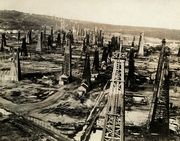

 最近ゴールドに興味を持ち調べるようになりました。勝手に読ませて頂いて済みません。どうぞ宜しくお願いします。


金(きん、Gold)は原子番号 79 の元素。元素記号はAu。柔らかく、可鍛性があり、重く、光沢のある黄色(金色)をしており、展性に富み非常に薄くのばすことができる遷移金属である。同族の銅と銀が反応性に富むこととは対照的に、イオン化傾向が極めて小さく反応性が低い。鉱物資源としての金は金塊や沖積鉱床(砂金)として存在している。
金は多くの時代と地域で貴金属としての価値を認められてきた。装飾品などとして人類に利用された最古の金属である。銀や銅と共に貨幣用金属の一つであり、貨幣(金貨)として使用され、流通してきた。ISO通貨コードでは XAU とあらわす。また、歯科医術、エレクトロニクスなどの分野で様々な利用方法が応用されてきている。
バリック・ゴールド
http://
http://
ニューモント・マイニング
http://
http://
アングロ・ゴールド (アングロ・アメリカン)
http://
http://
金は多くの時代と地域で貴金属としての価値を認められてきた。装飾品などとして人類に利用された最古の金属である。銀や銅と共に貨幣用金属の一つであり、貨幣(金貨)として使用され、流通してきた。ISO通貨コードでは XAU とあらわす。また、歯科医術、エレクトロニクスなどの分野で様々な利用方法が応用されてきている。
バリック・ゴールド
http://
http://
ニューモント・マイニング
http://
http://
アングロ・ゴールド (アングロ・アメリカン)
http://
http://
|
|
|
|
コメント(62)
★中国★
中国が金最大産出国に 07年12%増 南ア、1世紀首位に幕
http://www.business-i.jp/news/china-page/news/200801190023a.nwc
FujiSankei Business i. 2008/1/19
中国が、1世紀余りにわたり南アフリカ共和国が守り続けてきた金産出国首位の座を奪った。中国はすでにアルミ、亜鉛、鉛などの鉱物資源で最大の産出国だが、世界的なインフレ懸念の高まりを背景に高値取引が続く金の国際市況をも左右することになった。
英貴金属コンサルティング会社、GFMSが18日までにまとめた2007年の金年次調査によると、同年の世界の金生産量は前年比1%減の2444トンだった。このうち、最大の産出国だった南アが272トンにとどまったのに対し、中国は前年比12%増の276トンを記録し、世界最大の産出国の座を手に入れた。
南アでは1886年に北東部のウィットウオーターズランド地方で世界最大の金鉱床が発見され、1905年に世界最大の産出国となった。70年には世界の4分の3に当たる年間産出量1000トンを記録したが、その後徐々に鉱脈が枯れ、減少傾向にある。
これに対し、中国では自国での需要増加に対応し、政府が金鉱脈の開発を協力に支援。英紙フィナンシャル・タイムズによると、過去10年で産出量は7割も増えた。
世界の金産出量について、GFMSは08年は2%余り増えると予測しているが、長期的には減少傾向をたどるとの見方もあり、金の需給は引き締まり気味に推移する可能性が大きい。
米国の景気後退(リセッション)観測の強まりとともに米国債などドル建て資産から逃避した資金が金に向かい、14日にはロンドン自由金市場の金塊相場が一時1オンス=914・00ドルの史上最高値を更新した。
GFMSのクラブウィック会長は17日の加トロントでの講演で「インフレ懸念やサブプライム(高金利型)住宅ローン問題などさまざまな要因が金価格を押し上げ、08年中には1オンス=1000ドルを突破するだろう」との見通しを示した。
中国は、最大産出国として、金の国際相場に大きな影響を与えることになる。金を資源外交の道具に利用する可能性もありそうだ。
中国が金最大産出国に 07年12%増 南ア、1世紀首位に幕
http://www.business-i.jp/news/china-page/news/200801190023a.nwc
FujiSankei Business i. 2008/1/19
中国が、1世紀余りにわたり南アフリカ共和国が守り続けてきた金産出国首位の座を奪った。中国はすでにアルミ、亜鉛、鉛などの鉱物資源で最大の産出国だが、世界的なインフレ懸念の高まりを背景に高値取引が続く金の国際市況をも左右することになった。
英貴金属コンサルティング会社、GFMSが18日までにまとめた2007年の金年次調査によると、同年の世界の金生産量は前年比1%減の2444トンだった。このうち、最大の産出国だった南アが272トンにとどまったのに対し、中国は前年比12%増の276トンを記録し、世界最大の産出国の座を手に入れた。
南アでは1886年に北東部のウィットウオーターズランド地方で世界最大の金鉱床が発見され、1905年に世界最大の産出国となった。70年には世界の4分の3に当たる年間産出量1000トンを記録したが、その後徐々に鉱脈が枯れ、減少傾向にある。
これに対し、中国では自国での需要増加に対応し、政府が金鉱脈の開発を協力に支援。英紙フィナンシャル・タイムズによると、過去10年で産出量は7割も増えた。
世界の金産出量について、GFMSは08年は2%余り増えると予測しているが、長期的には減少傾向をたどるとの見方もあり、金の需給は引き締まり気味に推移する可能性が大きい。
米国の景気後退(リセッション)観測の強まりとともに米国債などドル建て資産から逃避した資金が金に向かい、14日にはロンドン自由金市場の金塊相場が一時1オンス=914・00ドルの史上最高値を更新した。
GFMSのクラブウィック会長は17日の加トロントでの講演で「インフレ懸念やサブプライム(高金利型)住宅ローン問題などさまざまな要因が金価格を押し上げ、08年中には1オンス=1000ドルを突破するだろう」との見通しを示した。
中国は、最大産出国として、金の国際相場に大きな影響を与えることになる。金を資源外交の道具に利用する可能性もありそうだ。
英産金ピーター・ハンブロ:生産は2011年に100万オンスに増へ
2月11日(ブルームバーグ):ロシアでの金生産量が2位の英ピーター・ハンブロ・マイニングは11日、金の生産量が2011年にかけて増加するとの見通しを示した。2009年に2カ所の金鉱床での生産開始を計画していることを理由として挙げている。
ピーター・ハンブロは同日発表した文書で、マロミールとヤマルの両プロジェクトの生産が09年にスタートするため、11年の生産量は100万オンスと、08 年の予想である35万8810オンスから増加するとの見方を示した。また、パイオニア鉱山の生産量が5倍以上に拡大するとみられるため、同鉱山がポクロフスキー鉱山に代わって最大の供給源になると予想している。
ピーター・ハンブロのピーター・ハンブロ会長は11日、ロンドンでのアナリスト会議後、「これほど情報を公開する鉱山会社はそう多くはないと思う」と述べた。
更新日時 : 2008/02/12 08:59 JST
http://www.bloomberg.com/apps/news?pid=infoseek_jp&sid=aC0E.FpP2h4Y
----------------------------------------
Peter Hambro Mining was founded by Peter Hambro and Pavel Maslovsky in 1994 and both their sons, Jay and Alexei, have joined the company since. Peter and Jay Hambro are descendants of the Hambro Merchant Banking family that formed Hambros Bank. Peter Hambro started his career as a banker at Hambros Bank in 1966 before moving into the gold sector at Mocatta and Goldsmid. He is a non-executive director of SG Hambros Bank & Trust Co. Ltd. the name under which the old Hambros Bank now trades. Pavel Maslovsky was a Professor in plasticity at Moscow University until 1991 when he launched his business career.
http://en.wikipedia.org/wiki/Peter_Hambro_Mining
Members of Peter Hambro Mining Plc Board of Directors
http://www.peterhambro.com/management.htm
Hambros Bank
http://en.wikipedia.org/wiki/Hambros_Bank
2月11日(ブルームバーグ):ロシアでの金生産量が2位の英ピーター・ハンブロ・マイニングは11日、金の生産量が2011年にかけて増加するとの見通しを示した。2009年に2カ所の金鉱床での生産開始を計画していることを理由として挙げている。
ピーター・ハンブロは同日発表した文書で、マロミールとヤマルの両プロジェクトの生産が09年にスタートするため、11年の生産量は100万オンスと、08 年の予想である35万8810オンスから増加するとの見方を示した。また、パイオニア鉱山の生産量が5倍以上に拡大するとみられるため、同鉱山がポクロフスキー鉱山に代わって最大の供給源になると予想している。
ピーター・ハンブロのピーター・ハンブロ会長は11日、ロンドンでのアナリスト会議後、「これほど情報を公開する鉱山会社はそう多くはないと思う」と述べた。
更新日時 : 2008/02/12 08:59 JST
http://www.bloomberg.com/apps/news?pid=infoseek_jp&sid=aC0E.FpP2h4Y
----------------------------------------
Peter Hambro Mining was founded by Peter Hambro and Pavel Maslovsky in 1994 and both their sons, Jay and Alexei, have joined the company since. Peter and Jay Hambro are descendants of the Hambro Merchant Banking family that formed Hambros Bank. Peter Hambro started his career as a banker at Hambros Bank in 1966 before moving into the gold sector at Mocatta and Goldsmid. He is a non-executive director of SG Hambros Bank & Trust Co. Ltd. the name under which the old Hambros Bank now trades. Pavel Maslovsky was a Professor in plasticity at Moscow University until 1991 when he launched his business career.
http://en.wikipedia.org/wiki/Peter_Hambro_Mining
Members of Peter Hambro Mining Plc Board of Directors
http://www.peterhambro.com/management.htm
Hambros Bank
http://en.wikipedia.org/wiki/Hambros_Bank
★NY金=958.40ドル★
NY金:3日続伸、958.40ドルの最高値を記録−インフレヘッジ需要
http://www.bloomberg.com/apps/news?pid=infoseek_jp&sid=aJrFV.vS8fn8
2月21日(ブルームバーグ):ニューヨーク金先物相場は3日続伸。一時は958.40ドルと過去最高値を更新した。ドルの下落や商品相場の上昇を背景に、インフレヘッジとして貴金属の需要が高まった。銀は1980年以来の水準に上昇した。
金は7年にわたる上昇基調で、価格は3倍以上になった。2007年には米連邦公開市場委員会(FOMC)が利下げを始め、物価上昇率が1990年以来の高水準になるなか、金相場は31%上昇した。米連邦準備制度理事会(FRB)が20日公開した1月9日と21日の電話会議およびFOMC(1月29− 30日開催)の議事録によると、メンバーは当面は「比較的低い実質金利」が適切と判断した。
プロスペクター・アセット・マネジメント(イリノイ州エバンストン)のレナード・キャプラン社長は「インフレ高進は明白だ。利下げはインフレをあおるだけで、資金は商品市場に流入するだろう」と述べた。
ニューヨーク商業取引所(NYMEX)COMEX部門の金先物4月限は前日比11.40ドル(1.2%)高の1オンス=949.20ドル。金は時間外取引で初めて950ドルを突破した後、午前11時43分に最高値を記録した。
銀3月物は19セント(1.1%)高の1オンス=17.95ドルで終了。一時は18.075ドルと1980年以来の高値を付けた。
NY金:3日続伸、958.40ドルの最高値を記録−インフレヘッジ需要
http://www.bloomberg.com/apps/news?pid=infoseek_jp&sid=aJrFV.vS8fn8
2月21日(ブルームバーグ):ニューヨーク金先物相場は3日続伸。一時は958.40ドルと過去最高値を更新した。ドルの下落や商品相場の上昇を背景に、インフレヘッジとして貴金属の需要が高まった。銀は1980年以来の水準に上昇した。
金は7年にわたる上昇基調で、価格は3倍以上になった。2007年には米連邦公開市場委員会(FOMC)が利下げを始め、物価上昇率が1990年以来の高水準になるなか、金相場は31%上昇した。米連邦準備制度理事会(FRB)が20日公開した1月9日と21日の電話会議およびFOMC(1月29− 30日開催)の議事録によると、メンバーは当面は「比較的低い実質金利」が適切と判断した。
プロスペクター・アセット・マネジメント(イリノイ州エバンストン)のレナード・キャプラン社長は「インフレ高進は明白だ。利下げはインフレをあおるだけで、資金は商品市場に流入するだろう」と述べた。
ニューヨーク商業取引所(NYMEX)COMEX部門の金先物4月限は前日比11.40ドル(1.2%)高の1オンス=949.20ドル。金は時間外取引で初めて950ドルを突破した後、午前11時43分に最高値を記録した。
銀3月物は19セント(1.1%)高の1オンス=17.95ドルで終了。一時は18.075ドルと1980年以来の高値を付けた。
★バリック・ゴールド★
加バリック、リオ・ティントからコルテス合弁権益を17億ドルで取得
http://www.bloomberg.com/apps/news?pid=infoseek_jp&sid=aLivOvSnxJU0
2月21日(ブルームバーグ):産金世界最大手の加バリック・ゴールドは 21日、コルテス・ヒルズ鉱山(米ネバダ州)の未取得権益40%を合弁相手の英豪系大手リオ・ティントから17億ドル(約1830億円)で取得し、100%傘下に置くことで合意したと発表した。
発表資料によれば、リオからの権益取得により、バリックの確認・推定埋蔵量は460万オンス増加する。
同社はコルテス・ヒルズからの産金量を年間95万−100万オンスと見込んでいる。生産開始から最初の5年間の生産コストは推定1オンス当たり280− 290ドル。バリックの昨年10−12月(第4四半期)決算によれば、10−12月期の平均生産コストは同375ドルだった。
バリックの株価はトロント時間午前11時37分現在、前日比1.08カナダ・ドル(2.1%)上げ51.90ドルで推移している。同銘柄は過去1年で39%上昇した。
加バリック、リオ・ティントからコルテス合弁権益を17億ドルで取得
http://www.bloomberg.com/apps/news?pid=infoseek_jp&sid=aLivOvSnxJU0
2月21日(ブルームバーグ):産金世界最大手の加バリック・ゴールドは 21日、コルテス・ヒルズ鉱山(米ネバダ州)の未取得権益40%を合弁相手の英豪系大手リオ・ティントから17億ドル(約1830億円)で取得し、100%傘下に置くことで合意したと発表した。
発表資料によれば、リオからの権益取得により、バリックの確認・推定埋蔵量は460万オンス増加する。
同社はコルテス・ヒルズからの産金量を年間95万−100万オンスと見込んでいる。生産開始から最初の5年間の生産コストは推定1オンス当たり280− 290ドル。バリックの昨年10−12月(第4四半期)決算によれば、10−12月期の平均生産コストは同375ドルだった。
バリックの株価はトロント時間午前11時37分現在、前日比1.08カナダ・ドル(2.1%)上げ51.90ドルで推移している。同銘柄は過去1年で39%上昇した。
★ゴールド・フィールズ★
南アのゴールド・フィールズ:最大6900人削減へ−国内電力不足で
http://www.bloomberg.com/apps/news?pid=90003004&sid=aAwEcyX9YlHg&refer=jp_commodity
2月25日(ブルームバーグ):アフリカ2位の産金会社、南アフリカ共和国のゴールド・フィールズは25日、同社の国内従業員全体の13%に相当する最大6900 人を削減すると発表した。鉱山向けの電力不足に対応する。
南アフリカ鉱山会社の人員削減は、国内最大の電力会社エスコム・ホールディングスが電力不足が今後4年間続くと発表して以来、初めてとなる。ゴールド・フィールズは一部鉱山を閉鎖するほか、サウスディープ鉱山の生産体制を見直す。
金現物相場が過去最高値を更新し、インフレヘッジとして金需要が高まるなか、ゴールド・フィールズの産出量は最大20%減少する可能性がある。
同社の南アフリカ運営責任者、テレンス・グッドレース氏は電子メールで、「エスコムが鉱山に必要な電力を最大限供給できないことと、進行している新規鉱山プロジェクトの追加電力需要への取り組みができないことが深刻な危機を引き起こしている」と指摘した。
原題:Gold Fields May Cut 6,900 Jobs on Power Restrictions (Update2) (抜粋) {NXTW NSN JWSBOG1A74EA <GO>}
南アのゴールド・フィールズ:最大6900人削減へ−国内電力不足で
http://www.bloomberg.com/apps/news?pid=90003004&sid=aAwEcyX9YlHg&refer=jp_commodity
2月25日(ブルームバーグ):アフリカ2位の産金会社、南アフリカ共和国のゴールド・フィールズは25日、同社の国内従業員全体の13%に相当する最大6900 人を削減すると発表した。鉱山向けの電力不足に対応する。
南アフリカ鉱山会社の人員削減は、国内最大の電力会社エスコム・ホールディングスが電力不足が今後4年間続くと発表して以来、初めてとなる。ゴールド・フィールズは一部鉱山を閉鎖するほか、サウスディープ鉱山の生産体制を見直す。
金現物相場が過去最高値を更新し、インフレヘッジとして金需要が高まるなか、ゴールド・フィールズの産出量は最大20%減少する可能性がある。
同社の南アフリカ運営責任者、テレンス・グッドレース氏は電子メールで、「エスコムが鉱山に必要な電力を最大限供給できないことと、進行している新規鉱山プロジェクトの追加電力需要への取り組みができないことが深刻な危機を引き起こしている」と指摘した。
原題:Gold Fields May Cut 6,900 Jobs on Power Restrictions (Update2) (抜粋) {NXTW NSN JWSBOG1A74EA <GO>}
★NY金=967.5ドル★
NY金3日続伸、一時970ドルと最高値
http://www.nikkei.co.jp/news/kaigai/20080229ATQ7IAA0529022008.html
【NQNニューヨーク=千田浩之】28日のニューヨーク金先物相場は3日続伸。ニューヨーク商品取引所(COMEX)で取引の中心となる4月物は前日比6.5ドル高の1トロイオンス967.5ドルで取引を終えた。ドル安や原油高などを手掛かりに、買いが優勢となった。
この日は原油先物相場が連日で最高値を更新。米連邦準備理事会(FRB)の追加利下げ観測と併せてインフレ圧力が強まるとの思惑を誘い、金の支援材料となった。ドルが対ユーロで連日で最安値を付けるなど、軟調に推移したことも、ドルに逆行しやすい金の買いにつながった。金は一時970.0ドルまで上昇し、前日に続いて過去最高値を更新した。
銀は8日続伸、プラチナは反発した。
NY金3日続伸、一時970ドルと最高値
http://www.nikkei.co.jp/news/kaigai/20080229ATQ7IAA0529022008.html
【NQNニューヨーク=千田浩之】28日のニューヨーク金先物相場は3日続伸。ニューヨーク商品取引所(COMEX)で取引の中心となる4月物は前日比6.5ドル高の1トロイオンス967.5ドルで取引を終えた。ドル安や原油高などを手掛かりに、買いが優勢となった。
この日は原油先物相場が連日で最高値を更新。米連邦準備理事会(FRB)の追加利下げ観測と併せてインフレ圧力が強まるとの思惑を誘い、金の支援材料となった。ドルが対ユーロで連日で最安値を付けるなど、軟調に推移したことも、ドルに逆行しやすい金の買いにつながった。金は一時970.0ドルまで上昇し、前日に続いて過去最高値を更新した。
銀は8日続伸、プラチナは反発した。
★最も信頼できる金融資産★
金など貴金属が最も信頼できる金融資産に−中央銀行への不信広がる
http://www.bloomberg.com/apps/news?pid=90003013&sid=apMkVvF2DRVc&refer=jp_us
3月3日(ブルームバーグ):インフレや景気の減速により世界の主要通貨や債券、株式の価値が低下するなか、金、銀、プラチナ、そしてパラジウムがことし、最も高い上昇率を示す金融資産となる可能性がある。
貴金属は2008年に入って、ユーロと円の少なくとも2倍の上昇率を示し、リターン(投資収益率)は米国債の6−20倍に上る。S&P500種株価指数などの主要株式指数が下落する一方、金現物相場は3日、過去最高値の1オンス当たり980.98ドルに達し、銀相場も2月29日に1980年以来の高値を付けた。
ドル相場が最安値まで下げ、インフレが加速するなか、投資家らは購買力を維持するために金属を利用している。エクイデックス・ブローカレージ・グループ(ニュージャージー州)のトレーダー、ロン・グッディス氏は、バーナンキ米連邦準備制度理事会(FRB)議長が消費者物価の上昇抑制よりも利下げを優先しているため、金、プラチナ、パラジウム相場はことし、少なくとも30%上昇するとみている。グッディス氏は1978年から貴金属取引に携わっている。
デルタ・グローバル・アドバイザーズ(カリフォルニア州)で15億ドル(約1550億円)相当の運用を手掛け、金も保有しているチップ・ハンロン氏は「ことしの財政環境が、金や商品相場の上昇を支持しないような状況になるとは考えにくい」と予想。「通貨に投資するほうが金属より投資収益が低いなら、金やプラチナを保有するのは当然だ」と指摘する。
大半の金属がドル建てで取引されているため、金属相場はドル相場と連動している。バーナンキ議長が、米経済のリセッション(景気後退)入りを回避するため、5回に及ぶ利下げの最初の利下げに踏み切った昨年9月18日以降、金相場は35%高騰。1980年以来の高値を突破した1月以降では11%上昇している。グッディス氏は、金相場は年末までにさらに33%上昇し、1300ドルに達する可能性があるとみている。
プラチナとパラジウム
宝飾品や自動車の触媒コンバータ(浄化装置)、歯冠やブリッジなどに利用されるプラチナとパラジウムの年初来上昇率は金を上回っている。
プラチナ相場は年初来で43%上昇し、2月22日には最高値の1オンス当たり2214.50ドルに達した。グッディス氏はさらに38%上昇し、年末までに3000 ドルに達すると予想している。同氏は年初にプラチナ相場の高騰を予測した。パラジウムについては6月までに30%上昇し、1オンス当たり750ドルに達する可能性が高いとみている。
クレディ・スイス・スタンダード・セキュリティーズ(ヨハネスブルク)のアナリスト、デービッド・デービス氏は、銀相場が年内にさらに26%上昇し、1オンス当たり25ドルになると予想する。
過去最低水準のドル相場
主要6通貨に対するドル指数は先週、73.56と、1973年の指数導入以来の最低水準となった。消費者物価が世界的に上昇し、資産としての通貨の投資妙味が低下したことから、ユーロ、円、ポンド建てで取引される金もことし、最高値に達した。
イングランド銀行は昨年11月以降、2度にわたって借り入れコストを引き下げた。一方、ユーロ加盟15カ国の1月のインフレ率が3.2%と14年ぶりの高水準となったことから、欧州中央銀行(ECB)のトリシェ総裁は利下げに消極的な姿勢を示している。
金など貴金属が最も信頼できる金融資産に−中央銀行への不信広がる
http://www.bloomberg.com/apps/news?pid=90003013&sid=apMkVvF2DRVc&refer=jp_us
3月3日(ブルームバーグ):インフレや景気の減速により世界の主要通貨や債券、株式の価値が低下するなか、金、銀、プラチナ、そしてパラジウムがことし、最も高い上昇率を示す金融資産となる可能性がある。
貴金属は2008年に入って、ユーロと円の少なくとも2倍の上昇率を示し、リターン(投資収益率)は米国債の6−20倍に上る。S&P500種株価指数などの主要株式指数が下落する一方、金現物相場は3日、過去最高値の1オンス当たり980.98ドルに達し、銀相場も2月29日に1980年以来の高値を付けた。
ドル相場が最安値まで下げ、インフレが加速するなか、投資家らは購買力を維持するために金属を利用している。エクイデックス・ブローカレージ・グループ(ニュージャージー州)のトレーダー、ロン・グッディス氏は、バーナンキ米連邦準備制度理事会(FRB)議長が消費者物価の上昇抑制よりも利下げを優先しているため、金、プラチナ、パラジウム相場はことし、少なくとも30%上昇するとみている。グッディス氏は1978年から貴金属取引に携わっている。
デルタ・グローバル・アドバイザーズ(カリフォルニア州)で15億ドル(約1550億円)相当の運用を手掛け、金も保有しているチップ・ハンロン氏は「ことしの財政環境が、金や商品相場の上昇を支持しないような状況になるとは考えにくい」と予想。「通貨に投資するほうが金属より投資収益が低いなら、金やプラチナを保有するのは当然だ」と指摘する。
大半の金属がドル建てで取引されているため、金属相場はドル相場と連動している。バーナンキ議長が、米経済のリセッション(景気後退)入りを回避するため、5回に及ぶ利下げの最初の利下げに踏み切った昨年9月18日以降、金相場は35%高騰。1980年以来の高値を突破した1月以降では11%上昇している。グッディス氏は、金相場は年末までにさらに33%上昇し、1300ドルに達する可能性があるとみている。
プラチナとパラジウム
宝飾品や自動車の触媒コンバータ(浄化装置)、歯冠やブリッジなどに利用されるプラチナとパラジウムの年初来上昇率は金を上回っている。
プラチナ相場は年初来で43%上昇し、2月22日には最高値の1オンス当たり2214.50ドルに達した。グッディス氏はさらに38%上昇し、年末までに3000 ドルに達すると予想している。同氏は年初にプラチナ相場の高騰を予測した。パラジウムについては6月までに30%上昇し、1オンス当たり750ドルに達する可能性が高いとみている。
クレディ・スイス・スタンダード・セキュリティーズ(ヨハネスブルク)のアナリスト、デービッド・デービス氏は、銀相場が年内にさらに26%上昇し、1オンス当たり25ドルになると予想する。
過去最低水準のドル相場
主要6通貨に対するドル指数は先週、73.56と、1973年の指数導入以来の最低水準となった。消費者物価が世界的に上昇し、資産としての通貨の投資妙味が低下したことから、ユーロ、円、ポンド建てで取引される金もことし、最高値に達した。
イングランド銀行は昨年11月以降、2度にわたって借り入れコストを引き下げた。一方、ユーロ加盟15カ国の1月のインフレ率が3.2%と14年ぶりの高水準となったことから、欧州中央銀行(ECB)のトリシェ総裁は利下げに消極的な姿勢を示している。
(続き)
「ベッドの下に」
三菱東京UFJ銀行(ニューヨーク)の米国コーポレート外為セールス部門のバイスプレジデント、ロバート・フレム氏は「価値を保存する手段として信頼できる通貨がなければ、新しくつくり出す必要がある」と指摘。「安全性を模索した結果、金属に投資する結果となっている。金属はベッドの下に置いておくことができる。そして、それが最良の投資手段になることもある」との見方を示す。
金を大量に保有している国の一部が金を売却したりドル相場が反発したりすれば、金属の上昇相場は消え去ってしまう可能性もある。
国際通貨基金(IMF)で最大の投票権を握る米国は2月25日、IMFが予算不足に対応するため保有金401トンを売却することを支持する可能性を示唆した。米金融当局は、数カ月以内に食料やエネルギーの価格の上昇が止まると予想している。為替取引で最大手のドイツ銀行は、対ユーロのドル相場が年末までに1.37ドルまで上昇すると予想している。
先物取引会社ヘリテージ・ウェスト・フィナンシャル(サンディエゴ)のアナリスト、ラルフ・プレストン氏は「金は通貨ではない。セブン−イレブンで金貨を使うことはできない」と指摘する。
金相場は1999年7月、当時、英国の財務相だったブラウン首相が金を売却し国債に投資する政策を押し進めたことから、253.20ドルと、20年ぶりの安値まで下げた。
ノーザン・ロックの取り付け騒ぎ
米リーマン・ブラザーズの鉱業アナリスト、ピーター・ウォード氏は当時、他の中央銀行がブラウン前財務相の動きに従うため金相場が3−4年間は約280 ドルの水準で推移すると予想した。実際には、ドル相場の下落により、金相場は 03年末までに417ドルまで上昇した。ウォード氏に先週、取材を申し入れたが同氏はコメントを控えた。リーマンは08年の金相場の平均を880ドルと予想している。
貴金属取引会社ゴールド・アンド・シルバー・インベストメンツ(ダブリン)によると、サブプライム(信用力の低い個人向け)住宅ローン危機の影響で英銀ノーザン・ロックが経営難に陥り、英国で約100年ぶりとなる取り付け騒ぎが発生するなか、同国の金需要は昨年9月中旬から10月中旬にかけて20%急増した。
ゴールド・アンド・シルバー・インベストメンツのエグゼクティブディレクター、マーク・オバーン氏は2月26日のインタビューで、新規の金の購入者の少なくとも95%が資産を金で保有していることを明らかにした。
オバーン氏は「彼らはかなり神経質になっており、安全性を求めている。貯蓄をすべて金に投資している人もいる。それほど神経質になっている」と述べた。
「ベッドの下に」
三菱東京UFJ銀行(ニューヨーク)の米国コーポレート外為セールス部門のバイスプレジデント、ロバート・フレム氏は「価値を保存する手段として信頼できる通貨がなければ、新しくつくり出す必要がある」と指摘。「安全性を模索した結果、金属に投資する結果となっている。金属はベッドの下に置いておくことができる。そして、それが最良の投資手段になることもある」との見方を示す。
金を大量に保有している国の一部が金を売却したりドル相場が反発したりすれば、金属の上昇相場は消え去ってしまう可能性もある。
国際通貨基金(IMF)で最大の投票権を握る米国は2月25日、IMFが予算不足に対応するため保有金401トンを売却することを支持する可能性を示唆した。米金融当局は、数カ月以内に食料やエネルギーの価格の上昇が止まると予想している。為替取引で最大手のドイツ銀行は、対ユーロのドル相場が年末までに1.37ドルまで上昇すると予想している。
先物取引会社ヘリテージ・ウェスト・フィナンシャル(サンディエゴ)のアナリスト、ラルフ・プレストン氏は「金は通貨ではない。セブン−イレブンで金貨を使うことはできない」と指摘する。
金相場は1999年7月、当時、英国の財務相だったブラウン首相が金を売却し国債に投資する政策を押し進めたことから、253.20ドルと、20年ぶりの安値まで下げた。
ノーザン・ロックの取り付け騒ぎ
米リーマン・ブラザーズの鉱業アナリスト、ピーター・ウォード氏は当時、他の中央銀行がブラウン前財務相の動きに従うため金相場が3−4年間は約280 ドルの水準で推移すると予想した。実際には、ドル相場の下落により、金相場は 03年末までに417ドルまで上昇した。ウォード氏に先週、取材を申し入れたが同氏はコメントを控えた。リーマンは08年の金相場の平均を880ドルと予想している。
貴金属取引会社ゴールド・アンド・シルバー・インベストメンツ(ダブリン)によると、サブプライム(信用力の低い個人向け)住宅ローン危機の影響で英銀ノーザン・ロックが経営難に陥り、英国で約100年ぶりとなる取り付け騒ぎが発生するなか、同国の金需要は昨年9月中旬から10月中旬にかけて20%急増した。
ゴールド・アンド・シルバー・インベストメンツのエグゼクティブディレクター、マーク・オバーン氏は2月26日のインタビューで、新規の金の購入者の少なくとも95%が資産を金で保有していることを明らかにした。
オバーン氏は「彼らはかなり神経質になっており、安全性を求めている。貯蓄をすべて金に投資している人もいる。それほど神経質になっている」と述べた。
★NY金=984.2ドル★
NY金:最高値更新、一時992ドル−ドル安と原油高でインフレ懸念
http://www.bloomberg.com/apps/news?pid=90003004&sid=aYBW_UleTdZI&refer=jp_commodity
3月3日(ブルームバーグ):ニューヨーク金先物相場は続伸。1オンス=992ドルまで買い進まれ、過去最高値を更新した。ドルが対ユーロで最安値を更新し、原油相場が1バレル=104ドルに接近したため、インフレ懸念が強まり、買いが膨らんだ。銀は1980年以来の高値。
ドルは対主要6通貨のバスケット価格でも最安値を更新した。金は米連邦公開市場委員会(FOMC)が利下げを始めた昨年9月中旬以降で36%上昇している。
ラサール・フューチャーズ・グループ(シカゴ)の金属トレーダー、マット・ジーマン氏は「ドルにはあきらめムードがただよっており、金は1000ドルに迫っている」と述べた。
ニューヨーク商業取引所(NYMEX)COMEX部門の金先物4月限は前週末比9.20ドル(0.9%)高の1オンス=984.20ドルで終えた。
銀先物5月限は26.5セント(1.3%)高の1オンス=20.18ドルで終了。一時は20.74ドルと、1980年10月以来の高値を付けた。
NY金:最高値更新、一時992ドル−ドル安と原油高でインフレ懸念
http://www.bloomberg.com/apps/news?pid=90003004&sid=aYBW_UleTdZI&refer=jp_commodity
3月3日(ブルームバーグ):ニューヨーク金先物相場は続伸。1オンス=992ドルまで買い進まれ、過去最高値を更新した。ドルが対ユーロで最安値を更新し、原油相場が1バレル=104ドルに接近したため、インフレ懸念が強まり、買いが膨らんだ。銀は1980年以来の高値。
ドルは対主要6通貨のバスケット価格でも最安値を更新した。金は米連邦公開市場委員会(FOMC)が利下げを始めた昨年9月中旬以降で36%上昇している。
ラサール・フューチャーズ・グループ(シカゴ)の金属トレーダー、マット・ジーマン氏は「ドルにはあきらめムードがただよっており、金は1000ドルに迫っている」と述べた。
ニューヨーク商業取引所(NYMEX)COMEX部門の金先物4月限は前週末比9.20ドル(0.9%)高の1オンス=984.20ドルで終えた。
銀先物5月限は26.5セント(1.3%)高の1オンス=20.18ドルで終了。一時は20.74ドルと、1980年10月以来の高値を付けた。
★ニューモント@インドネシア★
米ニューモントとインドネシア政府:鉱山権益めぐる争いで仲裁求める
http://www.bloomberg.com/apps/news?pid=90003004&sid=aZoAzEcAKaxA&refer=jp_commodity
3月3日(ブルームバーグ):インドネシア政府と米産金大手ニューモント・マイニングは3日、同社が計画しているインドネシアの銅・金山、バツヒジャウ鉱山の一部権益売却をめぐる争いで、仲裁を求める考えを示した。ニューモントは権益を売却しなければ、インドネシアでの操業権を失う恐れがある。
プルノモ・エネルギー・鉱物相は、ジャカルタで記者団に対し「インドネシア政府は、この件を仲裁に付す必要がある」と述べた。またニューモントの広報担当ルビ・プルノモ氏は、政府の決定が、ニューモントの現地部門も同様に仲裁申し立てを行うための「必要条件を与えた」と指摘した。
ニューモントがバツヒジャウ鉱山の操業権を失えば、金属資源が豊富なインドネシアに対する海外投資家の信頼感低下につながる恐れがある。当局者によれば、権益売却の争いをめぐる裁判所の手続きの間も、同鉱山の操業は引き続き通常通り行われるという。
仲裁を求めることを明らかになったこの日、ニューモントと他の海外投資家がバツヒジャウ鉱山の権益のうち10%をインドネシアの投資家へ売却することで合意するとされていた。インドネシア政府は、ニューモントが契約を順守していないとしているが、ニューモント側はこれに同意していない。
********************************
Jakarta moves to axe Newmont’s licence
http://www.ft.com/cms/s/0/6d3380dc-e908-11dc-8365-0000779fd2ac.html
Published: March 3 2008 10:04 | Last updated: March 3 2008 10:04
Newmont eyes IPO to fend off Bumi
http://www.ft.com/cms/s/0/5250f638-e88a-11dc-913a-0000779fd2ac.html
Published: March 2 2008 20:42 | Last updated: March 2 2008 20:42
米ニューモントとインドネシア政府:鉱山権益めぐる争いで仲裁求める
http://www.bloomberg.com/apps/news?pid=90003004&sid=aZoAzEcAKaxA&refer=jp_commodity
3月3日(ブルームバーグ):インドネシア政府と米産金大手ニューモント・マイニングは3日、同社が計画しているインドネシアの銅・金山、バツヒジャウ鉱山の一部権益売却をめぐる争いで、仲裁を求める考えを示した。ニューモントは権益を売却しなければ、インドネシアでの操業権を失う恐れがある。
プルノモ・エネルギー・鉱物相は、ジャカルタで記者団に対し「インドネシア政府は、この件を仲裁に付す必要がある」と述べた。またニューモントの広報担当ルビ・プルノモ氏は、政府の決定が、ニューモントの現地部門も同様に仲裁申し立てを行うための「必要条件を与えた」と指摘した。
ニューモントがバツヒジャウ鉱山の操業権を失えば、金属資源が豊富なインドネシアに対する海外投資家の信頼感低下につながる恐れがある。当局者によれば、権益売却の争いをめぐる裁判所の手続きの間も、同鉱山の操業は引き続き通常通り行われるという。
仲裁を求めることを明らかになったこの日、ニューモントと他の海外投資家がバツヒジャウ鉱山の権益のうち10%をインドネシアの投資家へ売却することで合意するとされていた。インドネシア政府は、ニューモントが契約を順守していないとしているが、ニューモント側はこれに同意していない。
********************************
Jakarta moves to axe Newmont’s licence
http://www.ft.com/cms/s/0/6d3380dc-e908-11dc-8365-0000779fd2ac.html
Published: March 3 2008 10:04 | Last updated: March 3 2008 10:04
Newmont eyes IPO to fend off Bumi
http://www.ft.com/cms/s/0/5250f638-e88a-11dc-913a-0000779fd2ac.html
Published: March 2 2008 20:42 | Last updated: March 2 2008 20:42
★各社業績★
金鉱大手の10−12月期、バリック28%増益、ニューモント赤字転落
http://www.nikkei.co.jp/news/kaigai/media/djCAG2618.html
日本経済新聞 - 2008年2月21日
ニューヨーク(ダウ・ジョーンズ)金鉱大手の決算は明暗を分けた。世界最大手のカナダのバリック・ゴールド(NYSE:ABX)が21日発表した 2007年10−12月期決算は、42%増収、28%増益となった。一方、世界第2位のニューモント・マイニング(NYSE:NEM)は金の販売が低調だったうえ11億ドルの評価損を計上し前年同期の黒字から赤字に転落した。
バリックの10−12月期の純利益は5億3700万ドル(前年同期は4億1800万ドル)、1株利益は61セント(同48セント)。金相場の上昇で、売上高は42%増の19億2000万ドルとなった。
トムソン・ファーストコールがまとめたアナリスト予想平均は、1株利益は54セント、売上高は20億2000万ドルだった。
グレッグ・ウィルキンス最高経営責任者(CEO)は「07年通期も満足のいく結果を残した」と感想を述べる。エレルギー、金価格関連コストが増加したものの当初業績目標を達成した、と語った。
金の生産量が12%減少した。生産コスト(総現金コスト)が1オンス当たり31%増加したことが響いた。銅は、生産コスト(現金コスト)が1ポンド当たり1%減少したため生産量が1%増加。販売価格は金が28%、銅が2.2%それぞれ上昇した。
同社は2008年の金生産量について、760万−810万オンスと見込む。前年実績は806万オンスだった。また銅の生産量は3億8000−4億ポンド(前年は4億0200万ポンド)と予想。生産コストは主にエネルギーコストの増加を理由に07年を上回るとみている。
ニューモントの10−12月期は純損益が2億8900万ドルの赤字(前年同期は2億2300万ドルの黒字)、1株損益は63セントの赤字(同49セントの黒字)となった。備蓄資産の評価引当金(11億ドル)を積み増し、商業銀行部門売却などに関連する税引き前利益(9億ドル)を計上した。売上高は1%減の14億1000万ドル。
アナリスト予想平均は1株利益が37セント、売上高が14億7000万ドルだった。
金の販売量が前年同期を割り込み、銅は1億2100万ドルに半減した。金の販売コストは19%増加し販売価格も29%上昇した。
バリック株の通常取引終値は、前日比0.19ドル(0.38%)高の50.46ドル。時間外では50.33ドルをつけている。また通常取引終値は、前日比0.51ドル(1.00%)安の50.64ドル。時間外では一段安となり50.48ドルをつけている。
金鉱大手の10−12月期、バリック28%増益、ニューモント赤字転落
http://www.nikkei.co.jp/news/kaigai/media/djCAG2618.html
日本経済新聞 - 2008年2月21日
ニューヨーク(ダウ・ジョーンズ)金鉱大手の決算は明暗を分けた。世界最大手のカナダのバリック・ゴールド(NYSE:ABX)が21日発表した 2007年10−12月期決算は、42%増収、28%増益となった。一方、世界第2位のニューモント・マイニング(NYSE:NEM)は金の販売が低調だったうえ11億ドルの評価損を計上し前年同期の黒字から赤字に転落した。
バリックの10−12月期の純利益は5億3700万ドル(前年同期は4億1800万ドル)、1株利益は61セント(同48セント)。金相場の上昇で、売上高は42%増の19億2000万ドルとなった。
トムソン・ファーストコールがまとめたアナリスト予想平均は、1株利益は54セント、売上高は20億2000万ドルだった。
グレッグ・ウィルキンス最高経営責任者(CEO)は「07年通期も満足のいく結果を残した」と感想を述べる。エレルギー、金価格関連コストが増加したものの当初業績目標を達成した、と語った。
金の生産量が12%減少した。生産コスト(総現金コスト)が1オンス当たり31%増加したことが響いた。銅は、生産コスト(現金コスト)が1ポンド当たり1%減少したため生産量が1%増加。販売価格は金が28%、銅が2.2%それぞれ上昇した。
同社は2008年の金生産量について、760万−810万オンスと見込む。前年実績は806万オンスだった。また銅の生産量は3億8000−4億ポンド(前年は4億0200万ポンド)と予想。生産コストは主にエネルギーコストの増加を理由に07年を上回るとみている。
ニューモントの10−12月期は純損益が2億8900万ドルの赤字(前年同期は2億2300万ドルの黒字)、1株損益は63セントの赤字(同49セントの黒字)となった。備蓄資産の評価引当金(11億ドル)を積み増し、商業銀行部門売却などに関連する税引き前利益(9億ドル)を計上した。売上高は1%減の14億1000万ドル。
アナリスト予想平均は1株利益が37セント、売上高が14億7000万ドルだった。
金の販売量が前年同期を割り込み、銅は1億2100万ドルに半減した。金の販売コストは19%増加し販売価格も29%上昇した。
バリック株の通常取引終値は、前日比0.19ドル(0.38%)高の50.46ドル。時間外では50.33ドルをつけている。また通常取引終値は、前日比0.51ドル(1.00%)安の50.64ドル。時間外では一段安となり50.48ドルをつけている。
★LME金=991.68ドル(高値)★
ロンドン商品市場:金相場、一時991.68ドル−最高値更新
http://www.bloomberg.com/apps/news?pid=90003006&sid=aeeWQERBVHv0&refer=jp_energy
3月6日(ブルームバーグ):6日のロンドン商品市場で、金相場は最高値を付けた。ドルがユーロに対し最安値を更新したことで、代替投資先としての金に資金が向かった。
金現物は一時、前日比1.88ドル(0.2%)上昇し過去最高の1トロイオンス=991.68ドルを付けた。ロンドン時間午前8時15分(日本時間午後5時15 分)現在、991.16ドルで取引されている。
原題:Gold Jumps to Record in London as Dollar Slumps to Record Low (抜粋) {NXTW NSN JXAV1U07SXKY <GO>}
ロンドン商品市場:金相場、一時991.68ドル−最高値更新
http://www.bloomberg.com/apps/news?pid=90003006&sid=aeeWQERBVHv0&refer=jp_energy
3月6日(ブルームバーグ):6日のロンドン商品市場で、金相場は最高値を付けた。ドルがユーロに対し最安値を更新したことで、代替投資先としての金に資金が向かった。
金現物は一時、前日比1.88ドル(0.2%)上昇し過去最高の1トロイオンス=991.68ドルを付けた。ロンドン時間午前8時15分(日本時間午後5時15 分)現在、991.16ドルで取引されている。
原題:Gold Jumps to Record in London as Dollar Slumps to Record Low (抜粋) {NXTW NSN JXAV1U07SXKY <GO>}
NY金が初の1000ドルに、原油も最高値
【ニューヨーク=米州総局】13日午前のニューヨーク金先物相場はドル安などを背景に急伸。ニューヨーク商品取引所(COMEX)で売買の中心である4月物が一時1トロイオンス1000ドルちょうどを付け、最高値を更新した。昨年夏まで600ドル台で推移していた金先物相場は9月に700ドルを突破。その後わずか半年で300ドルも水準を切り上げた。
インフレ懸念やドル安の進行を受け、安全性が高い資産としてファンドや年金基金の資金流入が続いている。午前9時半(日本時間午後10時半)現在、前日比18.9ドル高の999.4ドル。
原油先物市場ではWTI(ウエスト・テキサス・インターミディエート)で期近の4月物が一時1バレル110.70ドルを付け最高値を更新した。同時刻現在は0.15ドル高い110.07ドル。ドル安の進行を受け、ドルで取引される原油に割安感が出ていることも買い材料となっている。 (23:02)
http://www.nikkei.co.jp/news/main/20080313AT2M1303413032008.html
【ニューヨーク=米州総局】13日午前のニューヨーク金先物相場はドル安などを背景に急伸。ニューヨーク商品取引所(COMEX)で売買の中心である4月物が一時1トロイオンス1000ドルちょうどを付け、最高値を更新した。昨年夏まで600ドル台で推移していた金先物相場は9月に700ドルを突破。その後わずか半年で300ドルも水準を切り上げた。
インフレ懸念やドル安の進行を受け、安全性が高い資産としてファンドや年金基金の資金流入が続いている。午前9時半(日本時間午後10時半)現在、前日比18.9ドル高の999.4ドル。
原油先物市場ではWTI(ウエスト・テキサス・インターミディエート)で期近の4月物が一時1バレル110.70ドルを付け最高値を更新した。同時刻現在は0.15ドル高い110.07ドル。ドル安の進行を受け、ドルで取引される原油に割安感が出ていることも買い材料となっている。 (23:02)
http://www.nikkei.co.jp/news/main/20080313AT2M1303413032008.html
★リヒール・ゴールド★
産金のリヒール・ゴールド:豪エクイゴールド買収で合意−1億豪ドル
http://www.bloomberg.com/apps/news?pid=90003017&sid=ax.otnN8RKOM&refer=jp_japan
3月20日(ブルームバーグ):パプアニューギニアの産金会社、リヒール・ゴールドは20日、豪鉱山会社のエクイゴールドを1億豪ドル(約90億7300万円)相当の株式交換で買収することに合意した。リヒールは買収により、アフリカと豪州での所有鉱山を増やすことになる。
両社の発表によると、買収価格はエクイゴールド1株当たり4.75豪ドルで、 19日の終値を11%上回る水準。リヒールの所有する鉱山の埋蔵量は約10%増加するという。
今回の買収で、リヒールの生産量は来年に25%増加する見込み。同社のアーサー・フード最高経営責任者(CEO)は昨年、豪州での事業拡大を狙い同業のバララット・ゴールドフィールズを買収した。産金世界最大手、カナダのバリック・ゴールドなど各社は、過去最高値に上昇している金相場から恩恵を受けようと、競合企業の買収に乗り出し、埋蔵量や生産量を増やしている。
エクイゴールドの20日の株価終値は7.7%高の4.63豪ドル。リヒールは 11%安の3.60豪ドル。
産金のリヒール・ゴールド:豪エクイゴールド買収で合意−1億豪ドル
http://www.bloomberg.com/apps/news?pid=90003017&sid=ax.otnN8RKOM&refer=jp_japan
3月20日(ブルームバーグ):パプアニューギニアの産金会社、リヒール・ゴールドは20日、豪鉱山会社のエクイゴールドを1億豪ドル(約90億7300万円)相当の株式交換で買収することに合意した。リヒールは買収により、アフリカと豪州での所有鉱山を増やすことになる。
両社の発表によると、買収価格はエクイゴールド1株当たり4.75豪ドルで、 19日の終値を11%上回る水準。リヒールの所有する鉱山の埋蔵量は約10%増加するという。
今回の買収で、リヒールの生産量は来年に25%増加する見込み。同社のアーサー・フード最高経営責任者(CEO)は昨年、豪州での事業拡大を狙い同業のバララット・ゴールドフィールズを買収した。産金世界最大手、カナダのバリック・ゴールドなど各社は、過去最高値に上昇している金相場から恩恵を受けようと、競合企業の買収に乗り出し、埋蔵量や生産量を増やしている。
エクイゴールドの20日の株価終値は7.7%高の4.63豪ドル。リヒールは 11%安の3.60豪ドル。
★IMF★
IMF理事会:403.3トンの金売却を提案−財政赤字縮小で
http://www.bloomberg.com/apps/news?pid=90003004&sid=a9MHWHDtcZ58&refer=jp_commodity
4月7日(ブルームバーグ):国際通貨基金(IMF)の理事会は7日、財政赤字を縮小するため、403.3トンの金準備売却を柱とする計画を承認した。
*******************************
403トンの金売却承認=財務基盤強化で−IMF理事会
http://www.jiji.com/jc/c?g=int&k=2008040800099
時事通信 - 30分前
【ワシントン7日時事】国際通貨基金(IMF)は7日開いた理事会で、2007年1月末の有識者委員会(委員長・クロケット前国際決済銀行=BIS=総支配人)の提言に基づき、保有する金の1部403.3トンの売却を柱とする総額3億ドル(約300億円)の歳入増加策を承認した。また歳出面では、今後3年で1億ドル(約100億円)を削減する。ストロスカーン専務理事は、「財務基盤の強化と構造改革につながる画期的な合意」と歓迎する声明を発表した。
IMF理事会:403.3トンの金売却を提案−財政赤字縮小で
http://www.bloomberg.com/apps/news?pid=90003004&sid=a9MHWHDtcZ58&refer=jp_commodity
4月7日(ブルームバーグ):国際通貨基金(IMF)の理事会は7日、財政赤字を縮小するため、403.3トンの金準備売却を柱とする計画を承認した。
*******************************
403トンの金売却承認=財務基盤強化で−IMF理事会
http://www.jiji.com/jc/c?g=int&k=2008040800099
時事通信 - 30分前
【ワシントン7日時事】国際通貨基金(IMF)は7日開いた理事会で、2007年1月末の有識者委員会(委員長・クロケット前国際決済銀行=BIS=総支配人)の提言に基づき、保有する金の1部403.3トンの売却を柱とする総額3億ドル(約300億円)の歳入増加策を承認した。また歳出面では、今後3年で1億ドル(約100億円)を削減する。ストロスカーン専務理事は、「財務基盤の強化と構造改革につながる画期的な合意」と歓迎する声明を発表した。
★中国★
中国が最大の産金国 (AFP=時事)
http://money.www.infoseek.co.jp/MnJbn/jbntext/?id=20080410afpAFP017258
2008年4月10日(木)11時33分
【ロンドン10日AFP=時事】 英貴金属調査会社GFMSは9日公表した年次報告で、中国が昨年、南アフリカ共和国を抜き世界最大の金産出国になったと指摘した。南アは100年にわたって世界一の座を保ってきた。報告はまた、世界的な金融市場の混乱にもかかわらず、金相場は年内には1100ドルを上回り、過去最高水準に到達する可能性があるとの見通しを示した。金相場は3月、1032.70ドルの最高値をつけている。この4日前に初めて1000ドルを突破した。2007年の世界の鉱山での金生産高は0.4%減となり、11年ぶりの低水準に落ち込んだ。南アでの生産減少を主因にアフリカでの生産が最も減少した。北米、中南米での生産も減少、一方でインドネシア、中国を中心にアジアでの生産が伸びた。
中国が最大の産金国 (AFP=時事)
http://money.www.infoseek.co.jp/MnJbn/jbntext/?id=20080410afpAFP017258
2008年4月10日(木)11時33分
【ロンドン10日AFP=時事】 英貴金属調査会社GFMSは9日公表した年次報告で、中国が昨年、南アフリカ共和国を抜き世界最大の金産出国になったと指摘した。南アは100年にわたって世界一の座を保ってきた。報告はまた、世界的な金融市場の混乱にもかかわらず、金相場は年内には1100ドルを上回り、過去最高水準に到達する可能性があるとの見通しを示した。金相場は3月、1032.70ドルの最高値をつけている。この4日前に初めて1000ドルを突破した。2007年の世界の鉱山での金生産高は0.4%減となり、11年ぶりの低水準に落ち込んだ。南アでの生産減少を主因にアフリカでの生産が最も減少した。北米、中南米での生産も減少、一方でインドネシア、中国を中心にアジアでの生産が伸びた。
★IMF★
IMF財政再建策で、金403トン売却へ
http://www.afpbb.com/article/economy/2375474/2809566
2008年04月08日 18:54
【4月8日 AFP】国際通貨基金(International Monetary Fund、IMF)は7日の理事会で決定した財政再建策の一部として、保有する金の約12%にあたる403.3トンを売却する方針を発表した。
売却されるのはIMFが保有する金、約1億340万オンスのうち約1300万オンスで、関係者によると売却額は約110億ドル(約1兆1000億円)に上る見込み。
IMFは経済が危機的状況にある国に対する貸し付け利子を主な歳入源としてきたが、借入国減少とともに必要となった機構再編に今回の金の売却額をあてる。
ドミニク・ストロスカーン(Dominique Strauss-Kahn)専務理事は声明の中で、金売却による資金をIMFの財政補強や、収入源となるより多様な融資先を対象とする基金設立へ振り向けると述べた。
IMFは現在、コストおよび人員の集中的削減の渦中にある。貸し付け減少の理由には、IMFの条件付き援助を嫌う国があることも含まれる。
IMF関係者によると、市場の混乱をさけるため、金は数年をかけて売却する意向。欧州の金市場では年間約500トンの取引があるが、それでも市場に劇的な影響をもたらす可能性があるという。
IMF財政再建策で、金403トン売却へ
http://www.afpbb.com/article/economy/2375474/2809566
2008年04月08日 18:54
【4月8日 AFP】国際通貨基金(International Monetary Fund、IMF)は7日の理事会で決定した財政再建策の一部として、保有する金の約12%にあたる403.3トンを売却する方針を発表した。
売却されるのはIMFが保有する金、約1億340万オンスのうち約1300万オンスで、関係者によると売却額は約110億ドル(約1兆1000億円)に上る見込み。
IMFは経済が危機的状況にある国に対する貸し付け利子を主な歳入源としてきたが、借入国減少とともに必要となった機構再編に今回の金の売却額をあてる。
ドミニク・ストロスカーン(Dominique Strauss-Kahn)専務理事は声明の中で、金売却による資金をIMFの財政補強や、収入源となるより多様な融資先を対象とする基金設立へ振り向けると述べた。
IMFは現在、コストおよび人員の集中的削減の渦中にある。貸し付け減少の理由には、IMFの条件付き援助を嫌う国があることも含まれる。
IMF関係者によると、市場の混乱をさけるため、金は数年をかけて売却する意向。欧州の金市場では年間約500トンの取引があるが、それでも市場に劇的な影響をもたらす可能性があるという。
★デニス・ガートマン★
ガートマン氏:3年ぶりに金への強気姿勢「放棄」−食糧価格高騰で
http://www.bloomberg.com/apps/news?pid=90003004&sid=a7kvqkeZjryo&refer=jp_commodity
4月21日(ブルームバーグ):ガートマン・レター(米バージニア州)のエディター、デニス・ガートマン氏は21日、3年間維持した金相場に対する強気姿勢を「放棄」していることを明らかにした。同氏は、食糧価格の上昇を抑制しようとする取り組みが、インフレヘッジ手段としての金需要の後退につながると予想している。
ガートマン氏は同日、バージニア州ノーフォークからの電話インタビューで「各国政府は協力し、穀物価格の上昇を阻止する必要がある」と指摘。「各国政府が、市場関係者はもうポジションを積み上げることはできないと言ってきたらどうなるだろうか」と述べた。
原油相場が1バレル当たり117ドルを突破したほか、コメ価格も高騰し、 商品相場は7年連続で上昇している。金相場の上昇率は過去1カ月間、大半の商品銘柄を下回り、3月17日に付けた過去最高値から11%下落している。
ガートマン氏が金相場に対して強気姿勢を取らないのは3年ぶり。同氏は、大規模なヘッジファンドや証券会社などガートマン・レターの購読者の大半は、現時点で金を売却する可能性は低いとの見方を示した。
更新日時 : 2008/04/22 15:46 JST
ガートマン氏:3年ぶりに金への強気姿勢「放棄」−食糧価格高騰で
http://www.bloomberg.com/apps/news?pid=90003004&sid=a7kvqkeZjryo&refer=jp_commodity
4月21日(ブルームバーグ):ガートマン・レター(米バージニア州)のエディター、デニス・ガートマン氏は21日、3年間維持した金相場に対する強気姿勢を「放棄」していることを明らかにした。同氏は、食糧価格の上昇を抑制しようとする取り組みが、インフレヘッジ手段としての金需要の後退につながると予想している。
ガートマン氏は同日、バージニア州ノーフォークからの電話インタビューで「各国政府は協力し、穀物価格の上昇を阻止する必要がある」と指摘。「各国政府が、市場関係者はもうポジションを積み上げることはできないと言ってきたらどうなるだろうか」と述べた。
原油相場が1バレル当たり117ドルを突破したほか、コメ価格も高騰し、 商品相場は7年連続で上昇している。金相場の上昇率は過去1カ月間、大半の商品銘柄を下回り、3月17日に付けた過去最高値から11%下落している。
ガートマン氏が金相場に対して強気姿勢を取らないのは3年ぶり。同氏は、大規模なヘッジファンドや証券会社などガートマン・レターの購読者の大半は、現時点で金を売却する可能性は低いとの見方を示した。
更新日時 : 2008/04/22 15:46 JST
ジム・ロジャーズ氏:金相場、一段安なら買い増す−非鉄買いも検討
5月8日(ブルームバーグ):米投資家ジム・ロジャーズ氏は8日、シンガポールでの記者会見で、金や非鉄の最近の下落基調が続くようなら、買い増す考えを明らかにした。
同氏は「金は今、調整局面にある。800ドルあるいは750ドルまで下落する可能性がある。売買のタイミングを計るのは得意ではないが、金がさらに下落すれば買い増すつもりだ」と述べた。
商品相場の上昇基調は7年目に入っており、原油は7日、1バレル= 123.93ドルと最高値を更新。生産不足から小麦、コメ、トウモロコシ、大豆も軒並み最高値を付けている。ただ、金は3月17日に付けた最高値から15%超下げている。ニッケルは2007年に付けた高値から45%安、亜鉛も06年に付けた高値から50%下げている。
ロジャーズ氏は「非鉄買いを考え始めている。まだ実際に買っているわけではないが、一部の非鉄はかなり下落している。調整が続くようなら、恐らく買いを入れるだろう」と述べた。
26商品で構成するUBSブルームバーグCMCI総合指数の今年の投資収益率はほぼ20%。一方、S&P500種株価指数は5.2%安。メリルリンチの指数によると、米国債の投資収益率は9.2%。ロジャーズ国際商品指数は 1998年以降で4倍になっている。
原油高
ロジャーズ氏は「わたしの見解では原油相場は強気相場の中で150ドルを超え、200ドルにさえ達するのは確実だ。これは短期的な見方ではない。過去 40年余り、大規模な油田は世界のどこにも発見されていない」と述べた。
さらに「農業は今後10−15年間、世界で最も成長が期待できる産業の1つになる」と指摘。ラボバンクなど保守的な農業関連銀行は「日の目を見るだろう」と語った。
コメ価格については供給が増えるまで一段と上昇するとの見通しを示した。「米相場は長い間、暗黒の時代に置かれたが、それでもインフレを控除した実質ベースでは今よりも格段に高い水準にあった」という。ロジャーズ氏は「コメの在庫は非常に低い」とした上で「最近はコメ農家のなり手が不足している」と語った。「中国の若者は30年にわたりコメ農家になるよりも、上海の新しい証券取引所や商品取引所を目指した。それは世界のほとんどの地域でも同じことが言える」と話した。
ロジャーズ氏はジョージ・ソロス氏と1970年代にヘッジファンド「クオンタム」を共同創設。99年に商品相場の上昇基調入りを予想し、的中させたことでも知られる。
更新日時 : 2008/05/08 23:51 JST
http://www.bloomberg.com/apps/news?pid=infoseek_jp&sid=aTtTvVjXJ1ow
5月8日(ブルームバーグ):米投資家ジム・ロジャーズ氏は8日、シンガポールでの記者会見で、金や非鉄の最近の下落基調が続くようなら、買い増す考えを明らかにした。
同氏は「金は今、調整局面にある。800ドルあるいは750ドルまで下落する可能性がある。売買のタイミングを計るのは得意ではないが、金がさらに下落すれば買い増すつもりだ」と述べた。
商品相場の上昇基調は7年目に入っており、原油は7日、1バレル= 123.93ドルと最高値を更新。生産不足から小麦、コメ、トウモロコシ、大豆も軒並み最高値を付けている。ただ、金は3月17日に付けた最高値から15%超下げている。ニッケルは2007年に付けた高値から45%安、亜鉛も06年に付けた高値から50%下げている。
ロジャーズ氏は「非鉄買いを考え始めている。まだ実際に買っているわけではないが、一部の非鉄はかなり下落している。調整が続くようなら、恐らく買いを入れるだろう」と述べた。
26商品で構成するUBSブルームバーグCMCI総合指数の今年の投資収益率はほぼ20%。一方、S&P500種株価指数は5.2%安。メリルリンチの指数によると、米国債の投資収益率は9.2%。ロジャーズ国際商品指数は 1998年以降で4倍になっている。
原油高
ロジャーズ氏は「わたしの見解では原油相場は強気相場の中で150ドルを超え、200ドルにさえ達するのは確実だ。これは短期的な見方ではない。過去 40年余り、大規模な油田は世界のどこにも発見されていない」と述べた。
さらに「農業は今後10−15年間、世界で最も成長が期待できる産業の1つになる」と指摘。ラボバンクなど保守的な農業関連銀行は「日の目を見るだろう」と語った。
コメ価格については供給が増えるまで一段と上昇するとの見通しを示した。「米相場は長い間、暗黒の時代に置かれたが、それでもインフレを控除した実質ベースでは今よりも格段に高い水準にあった」という。ロジャーズ氏は「コメの在庫は非常に低い」とした上で「最近はコメ農家のなり手が不足している」と語った。「中国の若者は30年にわたりコメ農家になるよりも、上海の新しい証券取引所や商品取引所を目指した。それは世界のほとんどの地域でも同じことが言える」と話した。
ロジャーズ氏はジョージ・ソロス氏と1970年代にヘッジファンド「クオンタム」を共同創設。99年に商品相場の上昇基調入りを予想し、的中させたことでも知られる。
更新日時 : 2008/05/08 23:51 JST
http://www.bloomberg.com/apps/news?pid=infoseek_jp&sid=aTtTvVjXJ1ow
African Barrick Gold
African Barrick Goldがバリックゴールドからスピンオフしてロンドンに新規上場します。3月19日にバリックゴールドが提示した価格をベースにすると、公開される25%の株式に対して834百万米ドルの値がつけられたことになります(残り75%はバリックゴールドが引き続き保有する予定)。つまり、時価総額35.5億米ドルということになります。
----------------------------------------------------
Barrick Announces Pricing of African Barrick Gold plc Initial Public Offering 03/19/2010
TORONTO ― All amounts expressed in US dollars unless otherwise indicated
Barrick Gold Corporation ("Barrick") (NYSE: ABX)(TSX: ABX) announced today the pricing of the initial public offering of African Barrick Gold plc ("ABG"), a new company whose equity will be admitted to the Official List of the Financial Services Authority and to trading on the London Stock Exchange's main market for listed securities. An offer price of GBP 5.75 per ordinary share has been set and the net proceeds of the offering are expected to be approximately $834 million, which will be paid to Barrick.
ABG is selling approximately 101 million ordinary shares in the offering, or about 25% of its equity and Barrick will retain an interest in approximately 303 million ordinary shares, or about 75% of the equity of ABG (assuming the over-allotment option is not exercised). In addition, an over-allotment option of up to approximately 10.1 million ordinary shares, representing about 10% of the offer size has been granted, exercisable for a period of up to 30 days from the pricing of the offering.
"As an Africa-focused public company, we believe that African Barrick Gold will be better positioned to generate shareholder value from its operating platform, value which Barrick will continue to benefit from as a majority shareholder. African Barrick Gold's range of growth options and ability to finance those options will be expanded and the intensity with which these options will be pursued will be improved and will be driven by an incentivized management team, guided by an experienced Board of Directors," said Aaron Regent, Barrick's President and Chief Executive Officer.
Based on the offer price, the market capitalization of ABG immediately following the offering will be approximately $3.55 billion. ABG has an initial cash balance of approximately $280 million. The offering is expected to close on or about March 24, 2010.
Barrick Gold Corporation's vision is to become the world's best gold company by finding, acquiring, developing and producing quality reserves in a safe, profitable and socially responsible manner.
http://www.barrick.com/News/PressReleases/PressReleaseDetails/2010/BarrickAnnouncesPricingofAfricanBarrickGoldplcInitialPublicOffeAfrican Barrick Gold
African Barrick Goldがバリックゴールドからスピンオフしてロンドンに新規上場します。3月19日にバリックゴールドが提示した価格をベースにすると、公開される25%の株式に対して834百万米ドルの値がつけられたことになります(残り75%はバリックゴールドが引き続き保有する予定)。つまり、時価総額35.5億米ドルということになります。
----------------------------------------------------
Barrick Announces Pricing of African Barrick Gold plc Initial Public Offering 03/19/2010
TORONTO ― All amounts expressed in US dollars unless otherwise indicated
Barrick Gold Corporation ("Barrick") (NYSE: ABX)(TSX: ABX) announced today the pricing of the initial public offering of African Barrick Gold plc ("ABG"), a new company whose equity will be admitted to the Official List of the Financial Services Authority and to trading on the London Stock Exchange's main market for listed securities. An offer price of GBP 5.75 per ordinary share has been set and the net proceeds of the offering are expected to be approximately $834 million, which will be paid to Barrick.
ABG is selling approximately 101 million ordinary shares in the offering, or about 25% of its equity and Barrick will retain an interest in approximately 303 million ordinary shares, or about 75% of the equity of ABG (assuming the over-allotment option is not exercised). In addition, an over-allotment option of up to approximately 10.1 million ordinary shares, representing about 10% of the offer size has been granted, exercisable for a period of up to 30 days from the pricing of the offering.
"As an Africa-focused public company, we believe that African Barrick Gold will be better positioned to generate shareholder value from its operating platform, value which Barrick will continue to benefit from as a majority shareholder. African Barrick Gold's range of growth options and ability to finance those options will be expanded and the intensity with which these options will be pursued will be improved and will be driven by an incentivized management team, guided by an experienced Board of Directors," said Aaron Regent, Barrick's President and Chief Executive Officer.
Based on the offer price, the market capitalization of ABG immediately following the offering will be approximately $3.55 billion. ABG has an initial cash balance of approximately $280 million. The offering is expected to close on or about March 24, 2010.
Barrick Gold Corporation's vision is to become the world's best gold company by finding, acquiring, developing and producing quality reserves in a safe, profitable and socially responsible manner.
http://www.barrick.com/News/PressReleases/PressReleaseDetails/2010/BarrickAnnouncesPricingofAfricanBarrickGoldplcInitialPublicOffeAfrican Barrick Gold
WGCと中国工商銀行、新しい金投資商品の開発を計画−WSJ紙
4月1日(ブルームバーグ):ワールド・ゴールド・カウンシル(WGC)と中国工商銀行は、新しい金投資商品の開発を計画している。米紙ウォールストリート・ジャーナル(WSJ)がWGCのイアン・テルファー会長を引用して伝えた。
更新日時: 2010/04/01 15:42 JST
http://www.bloomberg.co.jp/apps/news?pid=90920016&sid=aqCS3Qfeh1pY
-------------------------------
ICBC, World Gold Council, Join Hands
APRIL 1, 2010
By Jason Dean
BEIJING―The World Gold Council has signed an agreement with Industrial & Commercial Bank of China Ltd. to cooperate on developing new gold investment products and programs for the Chinese lender's clients, council chairman Ian Telfer said in an interview.
The arrangement with ICBC, China's largest bank by assets, is designed to promote continued strong demand for gold in China at a time when the country's recent rapid growth in gold production seems likely to slow, creating more need for imports, Mr. Telfer said Wednesday.
"The demand is out there and we're going to help [ICBC] create vehicles that people will find interesting so that they can accumulate gold," said Mr. Telfer, who is also chairman of Vancouver-based Goldcorp Inc., one of the world's largest gold-mining companies.
[CGOLD]
China's demand for gold has grown an average of 13% annually for the last five years, reaching about 443 metric tons last year, second only to India. About 80% of China's annual gold consumption goes toward making jewelry. The World Gold Council, established by a group of large mining companies to stimulate demand for the metal, wants to increase demand for gold in China for investment purposes.
ICBC has more than 16,000 branches in China and more than 200 million individual clients. One program the council hopes to promote as part of its deal with the bank is a "gold accumulation plan," in which investors give the bank money which it uses to buy gold on their behalf in daily increments over a period of time. The goal is to smooth out price differentials for investors, so they aren't put off from investing by gold's daily price volatility. The World Gold Council started a similar program about 20 years ago in Japan, which has worked well, said Albert Cheng, managing director for the Far East.
A news department official for ICBC declined to comment.
Mr. Telfer said that while he expects Chinese demand to continue growing strongly, supply growth is likely to weaken in coming years. As gold prices have risen over the last decade, annual output from Chinese gold mines has increased 84%―far more than anyone in the industry expected, Mr. Telfer said. China became the world's biggest gold producer in 2007, overtaking South Africa.
But gold is getting harder to find. At current rates of production, China would exhaust its known gold reserves in about six years, he said. While that doesn't mean China will have to stop mining in six years―it is highly likely to find more gold in the meantime―the figure nonetheless underscores the metal's scarcity in China. Mr. Telfer said the comparable figure in most countries with large gold reserves is about 15 years.
Chinese mines are already very expensive to operate relative to major mines abroad, because their deposits tend to be small and hard to reach. Mr. Telfer cited figures from one major Chinese miner, which he didn't name, that produces just over a million ounces of gold a year from about 20 different mines. Goldcorp, by comparison, produces about three million ounces a year from just 11 mines.
Mr. Telfer said China is likely to buy more gold from abroad in future years. "I see that import number increasing and increasing, because the demand continues to strengthen but the supply will be flattish," he said.
4月1日(ブルームバーグ):ワールド・ゴールド・カウンシル(WGC)と中国工商銀行は、新しい金投資商品の開発を計画している。米紙ウォールストリート・ジャーナル(WSJ)がWGCのイアン・テルファー会長を引用して伝えた。
更新日時: 2010/04/01 15:42 JST
http://www.bloomberg.co.jp/apps/news?pid=90920016&sid=aqCS3Qfeh1pY
-------------------------------
ICBC, World Gold Council, Join Hands
APRIL 1, 2010
By Jason Dean
BEIJING―The World Gold Council has signed an agreement with Industrial & Commercial Bank of China Ltd. to cooperate on developing new gold investment products and programs for the Chinese lender's clients, council chairman Ian Telfer said in an interview.
The arrangement with ICBC, China's largest bank by assets, is designed to promote continued strong demand for gold in China at a time when the country's recent rapid growth in gold production seems likely to slow, creating more need for imports, Mr. Telfer said Wednesday.
"The demand is out there and we're going to help [ICBC] create vehicles that people will find interesting so that they can accumulate gold," said Mr. Telfer, who is also chairman of Vancouver-based Goldcorp Inc., one of the world's largest gold-mining companies.
[CGOLD]
China's demand for gold has grown an average of 13% annually for the last five years, reaching about 443 metric tons last year, second only to India. About 80% of China's annual gold consumption goes toward making jewelry. The World Gold Council, established by a group of large mining companies to stimulate demand for the metal, wants to increase demand for gold in China for investment purposes.
ICBC has more than 16,000 branches in China and more than 200 million individual clients. One program the council hopes to promote as part of its deal with the bank is a "gold accumulation plan," in which investors give the bank money which it uses to buy gold on their behalf in daily increments over a period of time. The goal is to smooth out price differentials for investors, so they aren't put off from investing by gold's daily price volatility. The World Gold Council started a similar program about 20 years ago in Japan, which has worked well, said Albert Cheng, managing director for the Far East.
A news department official for ICBC declined to comment.
Mr. Telfer said that while he expects Chinese demand to continue growing strongly, supply growth is likely to weaken in coming years. As gold prices have risen over the last decade, annual output from Chinese gold mines has increased 84%―far more than anyone in the industry expected, Mr. Telfer said. China became the world's biggest gold producer in 2007, overtaking South Africa.
But gold is getting harder to find. At current rates of production, China would exhaust its known gold reserves in about six years, he said. While that doesn't mean China will have to stop mining in six years―it is highly likely to find more gold in the meantime―the figure nonetheless underscores the metal's scarcity in China. Mr. Telfer said the comparable figure in most countries with large gold reserves is about 15 years.
Chinese mines are already very expensive to operate relative to major mines abroad, because their deposits tend to be small and hard to reach. Mr. Telfer cited figures from one major Chinese miner, which he didn't name, that produces just over a million ounces of gold a year from about 20 different mines. Goldcorp, by comparison, produces about three million ounces a year from just 11 mines.
Mr. Telfer said China is likely to buy more gold from abroad in future years. "I see that import number increasing and increasing, because the demand continues to strengthen but the supply will be flattish," he said.
中国中銀:2010年の金相場、上昇の余地は限定的−報告書
4月2日(ブルームバーグ):中国人民銀行(中央銀行)は今年の金相場について、上昇の余地は限定的だとの見方を示した。過去最高値に達した金価格が需要を抑えるという。
人民銀はウェブサイトに2日掲載した国際金融市場に関する報告書で、今年はアルミニウムや銅などの非鉄金属相場が、新興市場の回復に伴う需要拡大を受けて比較的高い水準で推移すると予想した。
更新日時: 2010/04/02 19:14 JST
http://www.bloomberg.co.jp/apps/news?pid=90920016&sid=avxLB42jN8YE
4月2日(ブルームバーグ):中国人民銀行(中央銀行)は今年の金相場について、上昇の余地は限定的だとの見方を示した。過去最高値に達した金価格が需要を抑えるという。
人民銀はウェブサイトに2日掲載した国際金融市場に関する報告書で、今年はアルミニウムや銅などの非鉄金属相場が、新興市場の回復に伴う需要拡大を受けて比較的高い水準で推移すると予想した。
更新日時: 2010/04/02 19:14 JST
http://www.bloomberg.co.jp/apps/news?pid=90920016&sid=avxLB42jN8YE
豪リヒール・ゴールド、ニュークレストが示した買収案を拒否
2010年 04月 1日 09:55 JST
[シドニー 1日 ロイター] 豪産金大手のリヒール・ゴールド(LGL.AX: 株価, 企業情報, レポート)は1日、同業のニュークレスト・マイニング(NCM.AX: 株価, 企業情報, レポート)から提示されていた92億豪ドル(約84億5000万米ドル)相当の買収提案を拒否したことを明らかにした。買収価格が低すぎるためとしている。
ニュークレストが提示した買収金額は1株当たり3.87豪ドル相当で、リヒール・ゴールド株の3月31日の終値を28%上回る水準。
リヒールは、両社の統合に戦略上の利点があることは認めるが、買収額は株主にとって満足できる水準ではないとの結論に達したとしている。
ニュークレストは、3月29日にリヒールの買収を提案した。買収条件は、リヒール株9株につき、ニュークレスト株1株および0.225豪ドルの現金というもので、2010年6月までの半期の配当は差し引く、という。
http://jp.reuters.com/article/worldNews/idJPJAPAN-14618420100401
--------------------------------
ニュークレスト リヒール買収案
2010.4.2 05:00
オーストラリアの産金最大手ニュークレスト・マイニングは1日までにパプアニューギニアの同業リヒール・ゴールドに現金と株式による92億豪ドル(約7900億円)の買収案を提示した。
リヒールが1日、オーストラリア証券取引所に提出した資料によると、ニュークレストはリヒール株9株につき自社株1株のほか、リヒール1株当たり現金22.5セントの案を提示した。同案を基にすると、リヒール株1株当たりの価値は3.87豪ドルに相当する。
買収案に対しリヒールは「取締役会は両社合併の戦略的メリットを認めるものの、注意深い検討と分析を行った結果、同案が株主に十分な価値を提示していないとの判断を全会一致で下した」と説明。同社を過小評価した案だとの見解を示した。
同社はオーストラリア証取上場の産金会社では2番目の規模。3月末終値は3.03豪ドルだった。(ブルームバーグ Rebecca Keenan)
http://www.sankeibiz.jp/macro/news/100402/mcb1004020506018-n1.htm
2010年 04月 1日 09:55 JST
[シドニー 1日 ロイター] 豪産金大手のリヒール・ゴールド(LGL.AX: 株価, 企業情報, レポート)は1日、同業のニュークレスト・マイニング(NCM.AX: 株価, 企業情報, レポート)から提示されていた92億豪ドル(約84億5000万米ドル)相当の買収提案を拒否したことを明らかにした。買収価格が低すぎるためとしている。
ニュークレストが提示した買収金額は1株当たり3.87豪ドル相当で、リヒール・ゴールド株の3月31日の終値を28%上回る水準。
リヒールは、両社の統合に戦略上の利点があることは認めるが、買収額は株主にとって満足できる水準ではないとの結論に達したとしている。
ニュークレストは、3月29日にリヒールの買収を提案した。買収条件は、リヒール株9株につき、ニュークレスト株1株および0.225豪ドルの現金というもので、2010年6月までの半期の配当は差し引く、という。
http://jp.reuters.com/article/worldNews/idJPJAPAN-14618420100401
--------------------------------
ニュークレスト リヒール買収案
2010.4.2 05:00
オーストラリアの産金最大手ニュークレスト・マイニングは1日までにパプアニューギニアの同業リヒール・ゴールドに現金と株式による92億豪ドル(約7900億円)の買収案を提示した。
リヒールが1日、オーストラリア証券取引所に提出した資料によると、ニュークレストはリヒール株9株につき自社株1株のほか、リヒール1株当たり現金22.5セントの案を提示した。同案を基にすると、リヒール株1株当たりの価値は3.87豪ドルに相当する。
買収案に対しリヒールは「取締役会は両社合併の戦略的メリットを認めるものの、注意深い検討と分析を行った結果、同案が株主に十分な価値を提示していないとの判断を全会一致で下した」と説明。同社を過小評価した案だとの見解を示した。
同社はオーストラリア証取上場の産金会社では2番目の規模。3月末終値は3.03豪ドルだった。(ブルームバーグ Rebecca Keenan)
http://www.sankeibiz.jp/macro/news/100402/mcb1004020506018-n1.htm
金価格の上昇見通し、「ひそかに自信あり」−米ニューモント幹部
3月15日(ブルームバーグ):米最大の産金会社、ニューモント・マイニング幹部は、今年の金価格の上昇見通しについて、「ひそかに自信を持っている」と述べた。中央銀行による売却が少ないことや旺盛な投資需要を理由として挙げた。
ニューモントのアジア太平洋地域事業担当の幹部、フィリップ・スティーブンソン氏は15日、パースで開かれた会議で「公共機関による売却が引き続き減少することが、明らかに金相場にとってプラス材料になるだろう」と予想。「ロシアや中国、インドは金の購入を続けており、2010年もその状況が変わるとは考えていない。ソブリン債から金への移行も続くとみている」と語った。
ウエストパック銀行のエコノミスト、ヒュー・マッケイ氏は同会議で、現時点の金相場の「底値」は1オンス当たり1000ドルと指摘。「短期的には緩やかな下落リスクがあり、その後、極めてゆっくり徐々に上昇する。非鉄金属相場の上昇が予想されるため、金の底値は1000ドルを維持し、周期的にその水準から上昇するだろう」との見方を示した。
更新日時: 2010/03/15 16:20 JST
http://www.bloomberg.co.jp/apps/news?pid=90920016&sid=avxLB42jN8YE
3月15日(ブルームバーグ):米最大の産金会社、ニューモント・マイニング幹部は、今年の金価格の上昇見通しについて、「ひそかに自信を持っている」と述べた。中央銀行による売却が少ないことや旺盛な投資需要を理由として挙げた。
ニューモントのアジア太平洋地域事業担当の幹部、フィリップ・スティーブンソン氏は15日、パースで開かれた会議で「公共機関による売却が引き続き減少することが、明らかに金相場にとってプラス材料になるだろう」と予想。「ロシアや中国、インドは金の購入を続けており、2010年もその状況が変わるとは考えていない。ソブリン債から金への移行も続くとみている」と語った。
ウエストパック銀行のエコノミスト、ヒュー・マッケイ氏は同会議で、現時点の金相場の「底値」は1オンス当たり1000ドルと指摘。「短期的には緩やかな下落リスクがあり、その後、極めてゆっくり徐々に上昇する。非鉄金属相場の上昇が予想されるため、金の底値は1000ドルを維持し、周期的にその水準から上昇するだろう」との見方を示した。
更新日時: 2010/03/15 16:20 JST
http://www.bloomberg.co.jp/apps/news?pid=90920016&sid=avxLB42jN8YE
ポールソン、ソロスを動かすヘッジファンド影の帝王
最終更新:2010年03月26日 19時10分
ジョン・ポールソン氏、ジョージ・ソロス氏のヘッジファンド界二大巨頭が、金鉱会社ノバゴールドの株式を大量保有していることがこのほど明らかになったが、実はこれはある男の動きに従ったという説が出てきたのだ。しかし、新旧の帝王2人を動かすことができる男とは何者なのか?
ポールソン、ソロスの両氏がカナダの金鉱会社ノバゴールドに投資していたことが明らかになり、機関、個人を問わず多くの投資家が追随する動きを見せ始めた。
では、なぜ2人は投資したのだろうか。その裏には2人を暗に動かした男がいるからだった。その名はトム・カプラン氏(Tom Kaplan)。20億ドル(約1800億円)以上の資産を持つ投資家で、かつてソロス氏と仕事をしたこともある間柄。銀鉱山事業を行う際には、ソロス氏から出資を受けたこともある昵懇の仲だ。
元々はオックスフォード大学で歴史を学び、1993年からはヘッジファンドのアドバイザーを務めた。資源価格が高騰すると読んで、その後は銀鉱山事業、プラチナ鉱山などの事業で成功し、現在は自身の投資会社を運営する。
そして、大口投資家の中では最初にノバゴールドに投資したのがカプラン氏だった。昨年1月に7000万ドル分を購入し、発行済み株式の28%を保有している。そこから遅れること約1年、二大巨頭も追随してきた。
マスコミに登場する機会が少ないカプラン氏。その素顔はいまだつかみきれないが、ポールソン、ソロス両氏が表の帝王なら、カプラン氏は闇の帝王的な存在でもある。
http://media.yucasee.jp/posts/index/2965
最終更新:2010年03月26日 19時10分
ジョン・ポールソン氏、ジョージ・ソロス氏のヘッジファンド界二大巨頭が、金鉱会社ノバゴールドの株式を大量保有していることがこのほど明らかになったが、実はこれはある男の動きに従ったという説が出てきたのだ。しかし、新旧の帝王2人を動かすことができる男とは何者なのか?
ポールソン、ソロスの両氏がカナダの金鉱会社ノバゴールドに投資していたことが明らかになり、機関、個人を問わず多くの投資家が追随する動きを見せ始めた。
では、なぜ2人は投資したのだろうか。その裏には2人を暗に動かした男がいるからだった。その名はトム・カプラン氏(Tom Kaplan)。20億ドル(約1800億円)以上の資産を持つ投資家で、かつてソロス氏と仕事をしたこともある間柄。銀鉱山事業を行う際には、ソロス氏から出資を受けたこともある昵懇の仲だ。
元々はオックスフォード大学で歴史を学び、1993年からはヘッジファンドのアドバイザーを務めた。資源価格が高騰すると読んで、その後は銀鉱山事業、プラチナ鉱山などの事業で成功し、現在は自身の投資会社を運営する。
そして、大口投資家の中では最初にノバゴールドに投資したのがカプラン氏だった。昨年1月に7000万ドル分を購入し、発行済み株式の28%を保有している。そこから遅れること約1年、二大巨頭も追随してきた。
マスコミに登場する機会が少ないカプラン氏。その素顔はいまだつかみきれないが、ポールソン、ソロス両氏が表の帝王なら、カプラン氏は闇の帝王的な存在でもある。
http://media.yucasee.jp/posts/index/2965
ソロス氏が組みたがる男 金投資を先導するカプラン氏の正体
2010/4/7 7:00
(2010年3月24日 Forbes.com)
今年3月、世界的な投資家2人が、売上高をほとんどあげたことがなく過去3年間に3億5200万ドルの損失を出した企業の“信者”になった。ヘッジファンド運用の大御所、ジョージ・ソロスとジョン・ポールソンの両氏である。彼らがそれぞれ運営するファンドは、合わせて1億7500万ドルをノバゴールド・リソーシズというこの会社に投資した。そもそも金相場の先行きについてはソロス氏もポールソン氏も極めて強気な見方をしているとはいうものの、彼らはいったい、この大した実績もないバンクーバーにある鉱山会社の何を評価したのだろうか。
実は両氏はある人物の動きを追いかけている。トーマス・カプラン氏(47)。富豪ではあるがほとんど知る人のないニューヨーク市の投資家で、金の上げ相場がまだまだ続くと考えている人物だ。オックスフォード大で歴史学を学んだ同氏は、金が世界の準備通貨として使われなかったこの40年間が異常だったのであって、今後は過去5000年間同様、金が最も一般的な価値の保存手段という地位に復帰すると信じている。同氏の真剣さは、カプラン家の家族企業であるティグリス・フィナンシャル・グループが約20億ドルにのぼる金資産を運用していることからもわかる。
金はこの数十年間本格的な投資対象としては相手にされなかった。しかし彼らの巨額投資は、金がもはや陰謀史観論者や怪しい投資プロモーターだけのものではなくなったことを示している。残りわずかな席を求めて、富豪や大手資産運用会社、ウォール街関係者などが金市場に参入してきている。金価格はこの3年ですでに70%上昇した。高い投資効率につながる利息がついているわけでもない。それでも、歯止めのかからぬ政府支出の拡大や投機のまん延が西洋文明を衰退に向かわせるのだと考えるのなら、金投資の合理性はもはや投資効率の問題ではないのだろう。
金を保有する最も単純な方法は、金塊、金先物、金ETF(上場投資信託)である。少し複雑な方法としては鉱山会社の株式を保有する手もあるが、投資先として信用が安定している鉱山会社はそれほど多くない。
カプラン氏(本誌の取材には一切のコメントを拒否)は鉱山を実際に経営するわけではなく、アイデアの人である。同氏はイスラエルでいくつかのヘッジファンドの顧問を務めていた時代に投資を開始し、まず1995年にボリビアのある土地の所有権を手に入れた。そこはもともと銀鉱として売りに出されていたが、後にかなりの埋蔵量を持つ亜鉛鉱山であることが判明した。カプラン氏はソロス氏が出した1000万ドルを元手に「エイペックス・シルバー・マインズ」という鉱山会社を設立。同社は株式上場を果たしたが、カプラン氏は2004年に鉱山開発が完了する前に保有株式のほとんどを売却し、会社を去った。昨年、デリバティブ取引で失敗した同社が破産申請するのを見ることもなかった。
カプラン氏の鉱山投資はこれだけではない。ルーマニアではガブリエル・リソーシズ社の株式の18%を取得している。同社にはポールソン氏も一緒に投資した。同社は9年前から大型金鉱の開発許可を受けようと努力しているが、皮肉なことにソロス氏の出資する環境保護団体の反対にあって許可が下りていない。ソロス氏は、この団体の要求は正当だが、活動内容については関知していないと発言している。
(続く)
2010/4/7 7:00
(2010年3月24日 Forbes.com)
今年3月、世界的な投資家2人が、売上高をほとんどあげたことがなく過去3年間に3億5200万ドルの損失を出した企業の“信者”になった。ヘッジファンド運用の大御所、ジョージ・ソロスとジョン・ポールソンの両氏である。彼らがそれぞれ運営するファンドは、合わせて1億7500万ドルをノバゴールド・リソーシズというこの会社に投資した。そもそも金相場の先行きについてはソロス氏もポールソン氏も極めて強気な見方をしているとはいうものの、彼らはいったい、この大した実績もないバンクーバーにある鉱山会社の何を評価したのだろうか。
実は両氏はある人物の動きを追いかけている。トーマス・カプラン氏(47)。富豪ではあるがほとんど知る人のないニューヨーク市の投資家で、金の上げ相場がまだまだ続くと考えている人物だ。オックスフォード大で歴史学を学んだ同氏は、金が世界の準備通貨として使われなかったこの40年間が異常だったのであって、今後は過去5000年間同様、金が最も一般的な価値の保存手段という地位に復帰すると信じている。同氏の真剣さは、カプラン家の家族企業であるティグリス・フィナンシャル・グループが約20億ドルにのぼる金資産を運用していることからもわかる。
金はこの数十年間本格的な投資対象としては相手にされなかった。しかし彼らの巨額投資は、金がもはや陰謀史観論者や怪しい投資プロモーターだけのものではなくなったことを示している。残りわずかな席を求めて、富豪や大手資産運用会社、ウォール街関係者などが金市場に参入してきている。金価格はこの3年ですでに70%上昇した。高い投資効率につながる利息がついているわけでもない。それでも、歯止めのかからぬ政府支出の拡大や投機のまん延が西洋文明を衰退に向かわせるのだと考えるのなら、金投資の合理性はもはや投資効率の問題ではないのだろう。
金を保有する最も単純な方法は、金塊、金先物、金ETF(上場投資信託)である。少し複雑な方法としては鉱山会社の株式を保有する手もあるが、投資先として信用が安定している鉱山会社はそれほど多くない。
カプラン氏(本誌の取材には一切のコメントを拒否)は鉱山を実際に経営するわけではなく、アイデアの人である。同氏はイスラエルでいくつかのヘッジファンドの顧問を務めていた時代に投資を開始し、まず1995年にボリビアのある土地の所有権を手に入れた。そこはもともと銀鉱として売りに出されていたが、後にかなりの埋蔵量を持つ亜鉛鉱山であることが判明した。カプラン氏はソロス氏が出した1000万ドルを元手に「エイペックス・シルバー・マインズ」という鉱山会社を設立。同社は株式上場を果たしたが、カプラン氏は2004年に鉱山開発が完了する前に保有株式のほとんどを売却し、会社を去った。昨年、デリバティブ取引で失敗した同社が破産申請するのを見ることもなかった。
カプラン氏の鉱山投資はこれだけではない。ルーマニアではガブリエル・リソーシズ社の株式の18%を取得している。同社にはポールソン氏も一緒に投資した。同社は9年前から大型金鉱の開発許可を受けようと努力しているが、皮肉なことにソロス氏の出資する環境保護団体の反対にあって許可が下りていない。ソロス氏は、この団体の要求は正当だが、活動内容については関知していないと発言している。
(続く)
カプラン氏個人にとってこれまでで最大の「金脈」と言えば天然ガスだ。2003年には後にリーオア・エナジーになる会社を立ち上げ、テキサス東部で採掘権を手に入れた。ゴールドマン・サックスとメリルリンチの助力も得て、カナダ最大のエネルギー会社エンカナと共同事業体を組んで掘削した結果、2230億立方メートルの天然ガスが見つかった。エンカナが2007年に25億5000万ドルですべての権利を買収することになり、カプラン氏の手元には約20億ドルが残った。
この買収案件は関係者全員が満足して終わったわけではない。カプラン氏のおいでリーオア社の最高経営責任者(CEO)を務めたグーマ・アグワイア氏は売却で2億ドルを手に入れたものの、カプラン氏にだまされて正当な分け前が確保できなかったとして、カプラン氏を告発した。フロリダ州の連邦裁判所に互いを告訴した両者は、天然ガスの発見で重要な役割を果たしたのはどちらかを巡って争った。その後アグワイア氏はイスラエルへ移住。サッカーチームを買収する一方、ガザで捕虜となっているイスラエル軍兵士を訪問したとウソをつくなど、奇妙な行動で知られるようになってしまった。最近になって家族はアグワイア氏を精神科施設に入れたという。
カプラン氏がノバゴールドへの投資を開始したのは2009年1月だった。同氏が保有するニューヨークの投資会社エレクトラム・ストラテジック・リソーシズがノバゴールドの発行済みの28%に当たる株式とワラント(新株予約券)を合計7000万ドルで購入した。それから1年あまりで、ニューヨーク・アメックス市場でのノバゴールドの時価総額はほぼ5倍の13億ドルに上昇した。同社は2つの大型鉱山にそれぞれ50%の権益を持っている。いずれも地政学的問題が発生したことのない地域に位置しているため、そこに投資家が魅力を感じたのは明らかだ。1つはアラスカのドンリン・クリークで、ノバゴールドによると金埋蔵量は2930万オンス(911トン)に上る。もう1つはブリティッシュ・コロンビアのガローア・クリークで、埋蔵量は金が730万オンス(227トン)、銅が89億ポンド(400万トン)。
投資家は少々先走りすぎているかもしれない。どちらの鉱脈も辺ぴな場所にあり、開発には困難が伴う。ドブリン・クリークの開発にはクスコクイム川を上る運搬船が必要だが、この川は天候に恵まれたとしても一年のうち半年間しか通航できない。環境保護派の協力も必要だろう。ノバゴールドはドブリン・クリークの投資収益率を金価格が1オンス=1000ドルの場合で年12.3%と見込むが、これは大型鉱山プロジェクトとしてはそれほど高くない。ガローア・クリークも総長55マイル(約88.5km)の道路と長い山岳トンネル、幾つかの橋を建設する必要があり、開発にはやはり困難が伴う。
それでもカプラン氏のノバゴールドへの投資はタイミングが非常に良かった。というのも2007年、ガローア・クリークのプロジェクトが中断し、同社の株価は急落していたからだ。同プロジェクトについてノバゴールドが開発コストを過小評価し、金の埋蔵量を過大評価していたことが明らかになったのがその理由だった。「ノバゴールドはミスも犯したが、そのミスのおかげで我々は世界級の2つの鉱山に投資する機会を手に入れた」。カプラン氏の投資会社エレクトラム・ストラテジック・リソーシズのCEOであるウィリアム・ナットボニー氏はそう語る。
カプラン氏は最近、慈善活動でも注目を集めている。マンハッタンの有名なカルチャーセンター「92番街Y」に出資し、その理事長を務める。またネコ科動物の大々的な保護活動を開始。ユダヤ教の指導者が絡んだ改宗にかかわるセックス・スキャンダルが起きた際、改宗手続きの標準化を目指すグループを支援したこともある。
by Nathan Vardi
(c)2010 Forbes.com Inc. All rights reserved.
http://www.nikkei.com/biz/world/article/g=96958A9C93819499E2E7E2E1E08DE2E4E2E6E0E2E3E2E2E2E2E2E2E2;p=9694E3E7E2E0E0E2E3E2E6E1E0E0
この買収案件は関係者全員が満足して終わったわけではない。カプラン氏のおいでリーオア社の最高経営責任者(CEO)を務めたグーマ・アグワイア氏は売却で2億ドルを手に入れたものの、カプラン氏にだまされて正当な分け前が確保できなかったとして、カプラン氏を告発した。フロリダ州の連邦裁判所に互いを告訴した両者は、天然ガスの発見で重要な役割を果たしたのはどちらかを巡って争った。その後アグワイア氏はイスラエルへ移住。サッカーチームを買収する一方、ガザで捕虜となっているイスラエル軍兵士を訪問したとウソをつくなど、奇妙な行動で知られるようになってしまった。最近になって家族はアグワイア氏を精神科施設に入れたという。
カプラン氏がノバゴールドへの投資を開始したのは2009年1月だった。同氏が保有するニューヨークの投資会社エレクトラム・ストラテジック・リソーシズがノバゴールドの発行済みの28%に当たる株式とワラント(新株予約券)を合計7000万ドルで購入した。それから1年あまりで、ニューヨーク・アメックス市場でのノバゴールドの時価総額はほぼ5倍の13億ドルに上昇した。同社は2つの大型鉱山にそれぞれ50%の権益を持っている。いずれも地政学的問題が発生したことのない地域に位置しているため、そこに投資家が魅力を感じたのは明らかだ。1つはアラスカのドンリン・クリークで、ノバゴールドによると金埋蔵量は2930万オンス(911トン)に上る。もう1つはブリティッシュ・コロンビアのガローア・クリークで、埋蔵量は金が730万オンス(227トン)、銅が89億ポンド(400万トン)。
投資家は少々先走りすぎているかもしれない。どちらの鉱脈も辺ぴな場所にあり、開発には困難が伴う。ドブリン・クリークの開発にはクスコクイム川を上る運搬船が必要だが、この川は天候に恵まれたとしても一年のうち半年間しか通航できない。環境保護派の協力も必要だろう。ノバゴールドはドブリン・クリークの投資収益率を金価格が1オンス=1000ドルの場合で年12.3%と見込むが、これは大型鉱山プロジェクトとしてはそれほど高くない。ガローア・クリークも総長55マイル(約88.5km)の道路と長い山岳トンネル、幾つかの橋を建設する必要があり、開発にはやはり困難が伴う。
それでもカプラン氏のノバゴールドへの投資はタイミングが非常に良かった。というのも2007年、ガローア・クリークのプロジェクトが中断し、同社の株価は急落していたからだ。同プロジェクトについてノバゴールドが開発コストを過小評価し、金の埋蔵量を過大評価していたことが明らかになったのがその理由だった。「ノバゴールドはミスも犯したが、そのミスのおかげで我々は世界級の2つの鉱山に投資する機会を手に入れた」。カプラン氏の投資会社エレクトラム・ストラテジック・リソーシズのCEOであるウィリアム・ナットボニー氏はそう語る。
カプラン氏は最近、慈善活動でも注目を集めている。マンハッタンの有名なカルチャーセンター「92番街Y」に出資し、その理事長を務める。またネコ科動物の大々的な保護活動を開始。ユダヤ教の指導者が絡んだ改宗にかかわるセックス・スキャンダルが起きた際、改宗手続きの標準化を目指すグループを支援したこともある。
by Nathan Vardi
(c)2010 Forbes.com Inc. All rights reserved.
http://www.nikkei.com/biz/world/article/g=96958A9C93819499E2E7E2E1E08DE2E4E2E6E0E2E3E2E2E2E2E2E2E2;p=9694E3E7E2E0E0E2E3E2E6E1E0E0
46:
豪産金大手ニュークレスト、同業のリヒール買収で合意−95億豪ドル
5月4日(ブルームバーグ):オーストラリア最大の産金会社ニュークレスト・マイニングは、同業でパプアニューギニアのリヒール・ゴールドを現金と株式により95億豪ドル(約8300億円)で買収することで合意した。両社が4日発表した。これにより、世界5位の産金会社が誕生する。
買収額は3日の株価終値に基づくとリヒール株1株当たり4.03豪ドル。ニュークレストは4月に示した案に6.4%上積みした。
リヒール買収によりニュークレストはパプアニューギニアとオーストラリア、アフリカの鉱山を取得し、売上高は1.5倍以上に増える。金相場が6四半期連続で上昇し、1979年以来の長期上昇トレンドとなる中、米産金最大手のニューモント・マイニングも買収を模索する可能性があるとシティグループは指摘している。
更新日時: 2010/05/04 15:23 JST
http://www.bloomberg.co.jp/apps/news?pid=90920016&sid=aDCUKbnBqcPc
--------------------------------
豪産金大手ニュークレスト、リヒールを85億米ドルで買収
2010年 05月 4日 15:36 JST
[メルボルン 4日 ロイター] 豪産金最大手のニュークレスト・マイニング(NCM.AX: 株価, 企業情報, レポート)は4日、同業リヒール・ゴールド(LGL.AX: 株価, 企業情報, レポート)を85億米ドルで買収することで同社と合意した。統合後の会社は、上場産金会社としては世界第4位となる。
オーストラリア政府は2日、国内鉱山から得た利益に40%の税金を課すことを発表。リヒールの主力鉱山がパプアニューギニアにあり、新税の適用対象とならないことも、ニュークレストがリヒール買収を目指した背景にある。
ニュークレストは買収金額を、先月リヒールに拒否された水準から若干引き上げ、1株当たり3.88豪ドルとした。買収条件は、リヒール株8.43株につきニュークレスト株1株、および1株当たり現金0.225豪ドルをリヒール株主に付与するという内容で、2010年6月末までの半期の配当は差し引く、という。
リヒールの取締役会は、両社の統合は戦略上で大きな意味があり、買収額に満足していると表明した。
http://jp.reuters.com/article/worldNews/idJPJAPAN-15121920100504
豪産金大手ニュークレスト、同業のリヒール買収で合意−95億豪ドル
5月4日(ブルームバーグ):オーストラリア最大の産金会社ニュークレスト・マイニングは、同業でパプアニューギニアのリヒール・ゴールドを現金と株式により95億豪ドル(約8300億円)で買収することで合意した。両社が4日発表した。これにより、世界5位の産金会社が誕生する。
買収額は3日の株価終値に基づくとリヒール株1株当たり4.03豪ドル。ニュークレストは4月に示した案に6.4%上積みした。
リヒール買収によりニュークレストはパプアニューギニアとオーストラリア、アフリカの鉱山を取得し、売上高は1.5倍以上に増える。金相場が6四半期連続で上昇し、1979年以来の長期上昇トレンドとなる中、米産金最大手のニューモント・マイニングも買収を模索する可能性があるとシティグループは指摘している。
更新日時: 2010/05/04 15:23 JST
http://www.bloomberg.co.jp/apps/news?pid=90920016&sid=aDCUKbnBqcPc
--------------------------------
豪産金大手ニュークレスト、リヒールを85億米ドルで買収
2010年 05月 4日 15:36 JST
[メルボルン 4日 ロイター] 豪産金最大手のニュークレスト・マイニング(NCM.AX: 株価, 企業情報, レポート)は4日、同業リヒール・ゴールド(LGL.AX: 株価, 企業情報, レポート)を85億米ドルで買収することで同社と合意した。統合後の会社は、上場産金会社としては世界第4位となる。
オーストラリア政府は2日、国内鉱山から得た利益に40%の税金を課すことを発表。リヒールの主力鉱山がパプアニューギニアにあり、新税の適用対象とならないことも、ニュークレストがリヒール買収を目指した背景にある。
ニュークレストは買収金額を、先月リヒールに拒否された水準から若干引き上げ、1株当たり3.88豪ドルとした。買収条件は、リヒール株8.43株につきニュークレスト株1株、および1株当たり現金0.225豪ドルをリヒール株主に付与するという内容で、2010年6月末までの半期の配当は差し引く、という。
リヒールの取締役会は、両社の統合は戦略上で大きな意味があり、買収額に満足していると表明した。
http://jp.reuters.com/article/worldNews/idJPJAPAN-15121920100504
金相場:ロンドンとNYで過去最高値を更新−欧州の債務問題で
5月14日(ブルームバーグ):14日の金相場は、ロンドンとニューヨークの市場で最高値を更新した。欧州債券市場の混乱が広がる中、安全資産としての金需要が高まった。
ロンドンの金現物相場は1オンス=1249.40ドルまで上昇、ニューヨークの金先物相場は同1249.70ドルに達した。金現物相場はまた、ユーロとスイス・フラン、ポンドの各通貨建てでも最高値を付けた。欧州諸国の赤字削減策が景気を抑制するとの観測が高まり、ユーロは対ドルで1年2カ月ぶり安値となった。
MKSファイナンスの通貨・金属担当取引責任者、バーナード・シン氏(ジュネーブ在勤)は、「多くの人々が引き続き欧州の債務問題を解決するのは極めて困難だと考えている」と述べ、「金はほかの金融商品から切り離されている」と付け加えた。
ロンドン時間午前11時45分(日本時間午後7時45分)現在、金現物相場は前日比1.2%高の1247.55ドルで推移。ニューヨーク商業取引所(NYMEX)COMEX部門の金先物6月限は1.5%高の1247.40ドルとなっている。
更新日時: 2010/05/14 20:23 JST
http://www.bloomberg.co.jp/apps/news?pid=90920016&sid=akTBwQcL32sk
5月14日(ブルームバーグ):14日の金相場は、ロンドンとニューヨークの市場で最高値を更新した。欧州債券市場の混乱が広がる中、安全資産としての金需要が高まった。
ロンドンの金現物相場は1オンス=1249.40ドルまで上昇、ニューヨークの金先物相場は同1249.70ドルに達した。金現物相場はまた、ユーロとスイス・フラン、ポンドの各通貨建てでも最高値を付けた。欧州諸国の赤字削減策が景気を抑制するとの観測が高まり、ユーロは対ドルで1年2カ月ぶり安値となった。
MKSファイナンスの通貨・金属担当取引責任者、バーナード・シン氏(ジュネーブ在勤)は、「多くの人々が引き続き欧州の債務問題を解決するのは極めて困難だと考えている」と述べ、「金はほかの金融商品から切り離されている」と付け加えた。
ロンドン時間午前11時45分(日本時間午後7時45分)現在、金現物相場は前日比1.2%高の1247.55ドルで推移。ニューヨーク商業取引所(NYMEX)COMEX部門の金先物6月限は1.5%高の1247.40ドルとなっている。
更新日時: 2010/05/14 20:23 JST
http://www.bloomberg.co.jp/apps/news?pid=90920016&sid=akTBwQcL32sk
NY金が史上最高値を更新 一時、1266・50ドル
【ニューヨーク共同】週明け21日のニューヨーク・マーカンタイル取引所の金先物相場は、中国当局が人民元相場の弾力化を発表したことを受けて続伸し、取引の中心となる8月渡しは早朝の時間外取引で一時、1オンス=1266・50ドルまで上昇、今月18日につけた1263・70ドルの史上最高値を更新した。
通常取引開始後の午前8時半現在は、前週末比1・10ドル高の1オンス=1259・40ドル。
外国為替市場で今後、人民元がドルに対して上昇、反対にドルは人民元を含む他の主要通貨に対して下落するとの思惑から、ドルの代替資産とされる金を買う動きが活発化した。
2010/06/21 23:03
http://mixi.jp/view_bbs.pl?id=23512755&comm_id=1845867
【ニューヨーク共同】週明け21日のニューヨーク・マーカンタイル取引所の金先物相場は、中国当局が人民元相場の弾力化を発表したことを受けて続伸し、取引の中心となる8月渡しは早朝の時間外取引で一時、1オンス=1266・50ドルまで上昇、今月18日につけた1263・70ドルの史上最高値を更新した。
通常取引開始後の午前8時半現在は、前週末比1・10ドル高の1オンス=1259・40ドル。
外国為替市場で今後、人民元がドルに対して上昇、反対にドルは人民元を含む他の主要通貨に対して下落するとの思惑から、ドルの代替資産とされる金を買う動きが活発化した。
2010/06/21 23:03
http://mixi.jp/view_bbs.pl?id=23512755&comm_id=1845867
銀行で保管するのは心配─「お持ち帰り」望む金投資家が急増
2010年 6月 25日 13:21 JST
金相場の上昇がある新たな産業を成長させている ─ 金を購入し、保管場所を提供する事業だ。
個人投資家は、単に金鉱山株や金関連ファンドを保有するより、実物の金を保有する傾向を強めている。
金産業の主要プレーヤーや新興企業が、この新種の集団に商機を見出した。投資家の増え続ける需要に応じるため、銀行は貸金庫スペースの確保を急いでいる。
企業はたいていの場合、顧客に自社を通じて金を購入させた後、米国などでこれを保管する。顧客への現物の引き渡しも認めている。
こうした動きは、数年に及ぶ金相場の上昇を反映したものだ。ニューヨーク商品取引所(COMEX)の金先物6月限は24日、前日比11.40ドル(0.92%)高の1トロイオンス=1245.50ドルで引けた。年初来の上昇率は13.72%で、18日には最高値となる1257.20ドルを付けている。
金先物市場のトレーダーは、購入した金について、単に売却して帳簿上の利益を得るよりも、引渡しを選択する傾向を強めている。COMEXでは今年、現物の引渡しを選択する投資家が前年より39%増加している。また現在、取引所の保管庫にある金は過去最多の1090万トロイオンスで、前年から11%増加している。
しかし、投資家の多くは先物市場で取引を行わず、たいていは金貨や金塊を貸金庫(場合によってはマットレスの下)に保管している。世界的な金融危機の後、一部の投資家は主要銀行に金を保管することに懐疑的になっており、こうしたことが中小規模の投資会社に事業機会をもたらした。
世界の主要金鉱山会社によって構成される非営利団体ワールド・ゴールド・カウンシル(WGC)もこの動きに加わった。WGCは今週、金現物取引のオンラインサービスを行うブリオンボールトに900万ドル超を出資すると発表した。ロンドンに拠点を置くブリオンボールトは、顧客が保有する8億ドル相当の金を保管している。
WGCはすでに、最大規模の金ETF(上場投資信託)「SPDRゴールド・シェア」を運用している。このETFは金を裏付け資産とするが、平均的な投資家に現物の引渡しを認めていない。
一方、投資家に金の直接保有を認めるファンドも盛況だ。トロントに拠点を置くスプロット・アセット・マネジメントが運用するスプロット・フィジカル・ゴールド・トラストは、ロイヤル・カナディアン・ミント(造幣局)で保管する金に約25万オンスを追加した。このファンドは投資家に対し、証券を償還して現物を引き渡すことを認めている。
貸金庫業を営むスイスのヴィア・マット・インターナショナルとアルゼンチンのオカサは事業の拡大を検討している。オカサは米国で最大規模となる16万 5000平方フィートの貸金庫をこの夏、ニューヨークにオープンする計画だ。
大手金融機関も金の保管スペースを広げている。JPモルガン・チェースはシンガポールでの新たな貸金庫のオープンを明らかにしており、バークレイズ・キャピタルもロンドンの貸金庫の拡大を模索している。
銀行が金融トラブルに直面すれば保管している金がリスクにさらされると懸念する一部の投資家に、こうした選択肢は訴求する。
トクビル・アセット・マネジメントのシニア・マネジングディレクター、ジョン・ハザウェイ氏は「こうした投資家はどこかに貸金庫を求めている」とし、銀行システムに対する投資家の不信がいかに強いかを示すサインだ、と述べた。
コンサルタントのCPMグループの創業者ジェフリー・クリスティアン氏は、規制対象の銀行で保管する金は、政府間の情報開示の対象になり得る、と指摘。一部の投資家にとっては、例え保有する金が合法であっても、不快な事実だ。
しかし、個人での金の保有はコストを伴う。
貸金庫を提供するゴールド・ブリオン・インターナショナルの責任者コルバート・ナーシス氏は、同社が売却する金は「SPDRゴールド・シェア」の証券よりも「名目上、高い」コストを伴うだろう、と述べた。
投資家は金現物を受けることが可能だが、ナーシス氏はこれを推奨しない。同氏によると、個人向けの金の保険はコストが高く、投資家は金を将来売却する際、本物であるとの証明を再び得る必要があるためという。
http://jp.wsj.com/Finance-Markets/node_76274
2010年 6月 25日 13:21 JST
金相場の上昇がある新たな産業を成長させている ─ 金を購入し、保管場所を提供する事業だ。
個人投資家は、単に金鉱山株や金関連ファンドを保有するより、実物の金を保有する傾向を強めている。
金産業の主要プレーヤーや新興企業が、この新種の集団に商機を見出した。投資家の増え続ける需要に応じるため、銀行は貸金庫スペースの確保を急いでいる。
企業はたいていの場合、顧客に自社を通じて金を購入させた後、米国などでこれを保管する。顧客への現物の引き渡しも認めている。
こうした動きは、数年に及ぶ金相場の上昇を反映したものだ。ニューヨーク商品取引所(COMEX)の金先物6月限は24日、前日比11.40ドル(0.92%)高の1トロイオンス=1245.50ドルで引けた。年初来の上昇率は13.72%で、18日には最高値となる1257.20ドルを付けている。
金先物市場のトレーダーは、購入した金について、単に売却して帳簿上の利益を得るよりも、引渡しを選択する傾向を強めている。COMEXでは今年、現物の引渡しを選択する投資家が前年より39%増加している。また現在、取引所の保管庫にある金は過去最多の1090万トロイオンスで、前年から11%増加している。
しかし、投資家の多くは先物市場で取引を行わず、たいていは金貨や金塊を貸金庫(場合によってはマットレスの下)に保管している。世界的な金融危機の後、一部の投資家は主要銀行に金を保管することに懐疑的になっており、こうしたことが中小規模の投資会社に事業機会をもたらした。
世界の主要金鉱山会社によって構成される非営利団体ワールド・ゴールド・カウンシル(WGC)もこの動きに加わった。WGCは今週、金現物取引のオンラインサービスを行うブリオンボールトに900万ドル超を出資すると発表した。ロンドンに拠点を置くブリオンボールトは、顧客が保有する8億ドル相当の金を保管している。
WGCはすでに、最大規模の金ETF(上場投資信託)「SPDRゴールド・シェア」を運用している。このETFは金を裏付け資産とするが、平均的な投資家に現物の引渡しを認めていない。
一方、投資家に金の直接保有を認めるファンドも盛況だ。トロントに拠点を置くスプロット・アセット・マネジメントが運用するスプロット・フィジカル・ゴールド・トラストは、ロイヤル・カナディアン・ミント(造幣局)で保管する金に約25万オンスを追加した。このファンドは投資家に対し、証券を償還して現物を引き渡すことを認めている。
貸金庫業を営むスイスのヴィア・マット・インターナショナルとアルゼンチンのオカサは事業の拡大を検討している。オカサは米国で最大規模となる16万 5000平方フィートの貸金庫をこの夏、ニューヨークにオープンする計画だ。
大手金融機関も金の保管スペースを広げている。JPモルガン・チェースはシンガポールでの新たな貸金庫のオープンを明らかにしており、バークレイズ・キャピタルもロンドンの貸金庫の拡大を模索している。
銀行が金融トラブルに直面すれば保管している金がリスクにさらされると懸念する一部の投資家に、こうした選択肢は訴求する。
トクビル・アセット・マネジメントのシニア・マネジングディレクター、ジョン・ハザウェイ氏は「こうした投資家はどこかに貸金庫を求めている」とし、銀行システムに対する投資家の不信がいかに強いかを示すサインだ、と述べた。
コンサルタントのCPMグループの創業者ジェフリー・クリスティアン氏は、規制対象の銀行で保管する金は、政府間の情報開示の対象になり得る、と指摘。一部の投資家にとっては、例え保有する金が合法であっても、不快な事実だ。
しかし、個人での金の保有はコストを伴う。
貸金庫を提供するゴールド・ブリオン・インターナショナルの責任者コルバート・ナーシス氏は、同社が売却する金は「SPDRゴールド・シェア」の証券よりも「名目上、高い」コストを伴うだろう、と述べた。
投資家は金現物を受けることが可能だが、ナーシス氏はこれを推奨しない。同氏によると、個人向けの金の保険はコストが高く、投資家は金を将来売却する際、本物であるとの証明を再び得る必要があるためという。
http://jp.wsj.com/Finance-Markets/node_76274
金の投資家:NYの取引所からの引き取り量、前年比39%増−WSJ
6月25日(ブルームバーグ):米CMEグループのCOMEX部門(ニューヨーク)で取引される金先物のうち、受け渡し期限が到来した現物の投資家による年初来の引き取り量が、前年同期比で39%増加したと、米紙ウォールストリート・ジャーナル(WSJ)が報じた。
同紙は、バークレイズ・キャピタルの貴金属担当プロダクトマネジャー、ジョナサン・スポール氏の話として、同社がロンドンにある金貯蔵スペースを拡張しようとしていると伝えている。同紙によると、アルゼンチンを拠点とするオカサは、ニューヨークで向こう数カ月以内に広さ16万5000平方フィート(約1万5000平方メートル)の金貯蔵スペースを開設する計画。米国で最大規模になるという。
更新日時: 2010/06/25 15:25 JST
http://www.bloomberg.co.jp/apps/news?pid=90920016&sid=aeFwuZRuqG8A
6月25日(ブルームバーグ):米CMEグループのCOMEX部門(ニューヨーク)で取引される金先物のうち、受け渡し期限が到来した現物の投資家による年初来の引き取り量が、前年同期比で39%増加したと、米紙ウォールストリート・ジャーナル(WSJ)が報じた。
同紙は、バークレイズ・キャピタルの貴金属担当プロダクトマネジャー、ジョナサン・スポール氏の話として、同社がロンドンにある金貯蔵スペースを拡張しようとしていると伝えている。同紙によると、アルゼンチンを拠点とするオカサは、ニューヨークで向こう数カ月以内に広さ16万5000平方フィート(約1万5000平方メートル)の金貯蔵スペースを開設する計画。米国で最大規模になるという。
更新日時: 2010/06/25 15:25 JST
http://www.bloomberg.co.jp/apps/news?pid=90920016&sid=aeFwuZRuqG8A
グレンコアが金のビジネスユニットを2011年に上場する計画
------------------------
Glencore plans listing of gold unit
By Javier Blas in London
Published: August 26 2010 19:05 | Last updated: August 26 2010 19:05
Glencore plans to list its main gold business next year in a move that people close to the largest commodities trader expect will value the operation at least $5bn.
As the Swiss-based trader itself takes steps towards becoming a public company, Glencore said it also planned “a partial spin-off or initial public offer of Kazzinc’s gold unit during the course of 2011”.
The business owns Kazakhstan’s largest gold mine, with production expected to reach 700,000 ounces in 2011.
Glencore owns 50.7 per cent of Kazzinc, which also mines zinc, lead and copper. The company was formed in 1997 through the merger of Kazakhstan’s three principal base metals miners.
With bullion trading near an all-time high of $1,264 an ounce, miners are seeking to extract value from their bullion operations by listing them.
Barrick, the world’s largest gold miner, this year listed part of its African business, which now has a market capitalisation of $3.6bn. Other gold miners with a similar production level to Kazzinc’s gold unit are valued at up to $8bn.
Glencore on Thursday reported that its first-half net income had surged 42 per cent from the same period in 2009 on the back stronger economic growth and higher commodities prices. Excluding exceptional items, net income rose to $1.53bn, up from $1.09bn.
The results came slightly below expectations as second-quarter net income fell to $677m, down from $886m between January and March.
The drop in quarterly income is the first since the last quarter of 2008.
“Interim profits from Glencore are strong, but the second-quarter performance is a little disappointing,” said Miriam Hehir, at RBC Capital Markets in London.
The company blamed lower base metals prices in May and June, and one-off events, such as strikes and production problems. But it said that since then base metals prices had improved and output was normal.
Glencore, led by South African Ivan Glasenberg, is undergoing a radical transformation, breaking with nearly four decades of private ownership.
The company issued $2.2bn in convertible bonds to strategic investors in the US, Singapore and China in December.
The company is mulling its next steep: either an IPO or a merger with Swiss-based miner Xstrata, in which it owns a 34.4 per cent stake.
As of December, 485 employees owned Glencore shares, with “key management” – 65 executives – controlling 57.5 per cent of them.
Copyright The Financial Times Limited 2010. You may share using our article tools. Please don't cut articles from FT.com and redistribute by email or post to the web.
http://www.ft.com/cms/s/0/a43028cc-b13a-11df-b899-00144feabdc0.html?ftcamp=rss
------------------------
Glencore plans listing of gold unit
By Javier Blas in London
Published: August 26 2010 19:05 | Last updated: August 26 2010 19:05
Glencore plans to list its main gold business next year in a move that people close to the largest commodities trader expect will value the operation at least $5bn.
As the Swiss-based trader itself takes steps towards becoming a public company, Glencore said it also planned “a partial spin-off or initial public offer of Kazzinc’s gold unit during the course of 2011”.
The business owns Kazakhstan’s largest gold mine, with production expected to reach 700,000 ounces in 2011.
Glencore owns 50.7 per cent of Kazzinc, which also mines zinc, lead and copper. The company was formed in 1997 through the merger of Kazakhstan’s three principal base metals miners.
With bullion trading near an all-time high of $1,264 an ounce, miners are seeking to extract value from their bullion operations by listing them.
Barrick, the world’s largest gold miner, this year listed part of its African business, which now has a market capitalisation of $3.6bn. Other gold miners with a similar production level to Kazzinc’s gold unit are valued at up to $8bn.
Glencore on Thursday reported that its first-half net income had surged 42 per cent from the same period in 2009 on the back stronger economic growth and higher commodities prices. Excluding exceptional items, net income rose to $1.53bn, up from $1.09bn.
The results came slightly below expectations as second-quarter net income fell to $677m, down from $886m between January and March.
The drop in quarterly income is the first since the last quarter of 2008.
“Interim profits from Glencore are strong, but the second-quarter performance is a little disappointing,” said Miriam Hehir, at RBC Capital Markets in London.
The company blamed lower base metals prices in May and June, and one-off events, such as strikes and production problems. But it said that since then base metals prices had improved and output was normal.
Glencore, led by South African Ivan Glasenberg, is undergoing a radical transformation, breaking with nearly four decades of private ownership.
The company issued $2.2bn in convertible bonds to strategic investors in the US, Singapore and China in December.
The company is mulling its next steep: either an IPO or a merger with Swiss-based miner Xstrata, in which it owns a 34.4 per cent stake.
As of December, 485 employees owned Glencore shares, with “key management” – 65 executives – controlling 57.5 per cent of them.
Copyright The Financial Times Limited 2010. You may share using our article tools. Please don't cut articles from FT.com and redistribute by email or post to the web.
http://www.ft.com/cms/s/0/a43028cc-b13a-11df-b899-00144feabdc0.html?ftcamp=rss
加金鉱山ゴールドコープ、豪産金アンディーンを買収へ
2010年 9月 4日 5:08 JST
【豪キャンベラ】カナダの金鉱山大手ゴールドコープは3日、オーストラリアの産金、アンディーン・リソーシズを約36億カナダ・ドル(約2920億円)で買収することで合意に達したと発表した。
アンディーンに対しては、カナダの産金会社エルドラド・ゴールドも買収案を提示していた。ゴールドコープの買収合意によると、アンディーンの普通株式1 株当たり、ゴールドコープ株式0.14株もしくは現金6.50カナダ・ドルが支払われる。現金での支払い総額は10億カナダ・ドルを上限とするという。
同買収案件はゴールドコープとアンディーンの両社取締役会が全会一致で承認したが、引き続き過半数株主の承認が必要となる。アンディーンの資本の21%を出資する株主が既に同案件への賛成票を投じることで合意している。買収案件の完了は2010年終盤もしくは2011年序盤となる見通し。ゴールドコープの株主は同案件をめぐり投票の必要はない。
アンディーンはアルゼンチンでの高品質・低コストの産金プロジェクトの急速な展開を通して、ここ2年間に業界での優勢を強めている。
エルドラドの発表文によると、同社によるアンディーンの買収案はアンディーン株式1株につきエルドラド株式0.310株での株式交換方式によるものだった。また、これは友好的買収案で、アンディーンの取締役の大半が支持していたという。
フェアファックスのアナリストらは、現金と株式交換によるゴールドコープからの買収案は、アンディーン株式1株当たり6.50カナダ・ドルに相当し、エルドラドの買収提示額を2.2%上回っていたと指摘した。
ゴールドコープの提示額はアンディーンのトロント株式市場の2日終値を35%上回る水準。また、トロント市場でのアンディーン株価の20日間加重平均を56%上回る水準に相当する。
http://jp.wsj.com/Business-Companies/node_97936
2010年 9月 4日 5:08 JST
【豪キャンベラ】カナダの金鉱山大手ゴールドコープは3日、オーストラリアの産金、アンディーン・リソーシズを約36億カナダ・ドル(約2920億円)で買収することで合意に達したと発表した。
アンディーンに対しては、カナダの産金会社エルドラド・ゴールドも買収案を提示していた。ゴールドコープの買収合意によると、アンディーンの普通株式1 株当たり、ゴールドコープ株式0.14株もしくは現金6.50カナダ・ドルが支払われる。現金での支払い総額は10億カナダ・ドルを上限とするという。
同買収案件はゴールドコープとアンディーンの両社取締役会が全会一致で承認したが、引き続き過半数株主の承認が必要となる。アンディーンの資本の21%を出資する株主が既に同案件への賛成票を投じることで合意している。買収案件の完了は2010年終盤もしくは2011年序盤となる見通し。ゴールドコープの株主は同案件をめぐり投票の必要はない。
アンディーンはアルゼンチンでの高品質・低コストの産金プロジェクトの急速な展開を通して、ここ2年間に業界での優勢を強めている。
エルドラドの発表文によると、同社によるアンディーンの買収案はアンディーン株式1株につきエルドラド株式0.310株での株式交換方式によるものだった。また、これは友好的買収案で、アンディーンの取締役の大半が支持していたという。
フェアファックスのアナリストらは、現金と株式交換によるゴールドコープからの買収案は、アンディーン株式1株当たり6.50カナダ・ドルに相当し、エルドラドの買収提示額を2.2%上回っていたと指摘した。
ゴールドコープの提示額はアンディーンのトロント株式市場の2日終値を35%上回る水準。また、トロント市場でのアンディーン株価の20日間加重平均を56%上回る水準に相当する。
http://jp.wsj.com/Business-Companies/node_97936
金相場、ニューヨークで過去最高値更新
2010年 9月 17日 7:49 JST
【ニューヨーク】金塊先物相場が16日、対ユーロでのドル安に加え、投資家が株価下落に対する資金逃避先として金を買ったことから、過去最高値を更新した。
同日のニューヨーク商品取引所(COMEX)の金塊先物相場は上伸し、取引の最も多い中心限月の12月物は前日終値比5.10ドル(0.4%)高の1オンス=1273.80ドルとセトルメント(終値)ベースで過去最高値で終了した。同限月はこれより先の電子取引で一時1279.50ドルと日中の高値を付けた。
一部では、投資家の買い意欲が増しているとして金塊は1300ドルを突破すると見る向きもいる。また超低金利の現状では、金利の付かない金塊の機会コスト(金を買うことで他の投資商品を購入できなくなるコスト)が軽減されている点も指摘されている。
IGマーケッツ(シカゴ)の上級市場アナリスト、ダン・クック氏は「金塊はなお若干の上昇余地がある」と述べ、過去の罫線パターンからみて1335−1340ドルに向かって上昇する可能性があると語った。
金塊は16日、米ドルの対ユーロ下落などもあって上昇した。スペイン政府の国債入札が順調だったこと、米金融当局が景気刺激のため資産買い付けを再び開始するのではないかとの憶測が流れたことから、ユーロが上昇した。米国の資産買い付けなどの量的金融緩和は、ドル安につながるほか、長期的にはインフレ要因になることから、インフレヘッジ手段である金塊にはプラス要因とみられている。
ただし、長期的なインフレ懸念は、2008年の金融危機を受けて米連邦準備制度理事会(FRB)が緩和策を導入して以降ずっとくすぶっている。実際にはインフレの代表指数である米消費者物価指数はほとんど加速していない。
http://jp.wsj.com/Finance-Markets/node_105160
2010年 9月 17日 7:49 JST
【ニューヨーク】金塊先物相場が16日、対ユーロでのドル安に加え、投資家が株価下落に対する資金逃避先として金を買ったことから、過去最高値を更新した。
同日のニューヨーク商品取引所(COMEX)の金塊先物相場は上伸し、取引の最も多い中心限月の12月物は前日終値比5.10ドル(0.4%)高の1オンス=1273.80ドルとセトルメント(終値)ベースで過去最高値で終了した。同限月はこれより先の電子取引で一時1279.50ドルと日中の高値を付けた。
一部では、投資家の買い意欲が増しているとして金塊は1300ドルを突破すると見る向きもいる。また超低金利の現状では、金利の付かない金塊の機会コスト(金を買うことで他の投資商品を購入できなくなるコスト)が軽減されている点も指摘されている。
IGマーケッツ(シカゴ)の上級市場アナリスト、ダン・クック氏は「金塊はなお若干の上昇余地がある」と述べ、過去の罫線パターンからみて1335−1340ドルに向かって上昇する可能性があると語った。
金塊は16日、米ドルの対ユーロ下落などもあって上昇した。スペイン政府の国債入札が順調だったこと、米金融当局が景気刺激のため資産買い付けを再び開始するのではないかとの憶測が流れたことから、ユーロが上昇した。米国の資産買い付けなどの量的金融緩和は、ドル安につながるほか、長期的にはインフレ要因になることから、インフレヘッジ手段である金塊にはプラス要因とみられている。
ただし、長期的なインフレ懸念は、2008年の金融危機を受けて米連邦準備制度理事会(FRB)が緩和策を導入して以降ずっとくすぶっている。実際にはインフレの代表指数である米消費者物価指数はほとんど加速していない。
http://jp.wsj.com/Finance-Markets/node_105160
NY金、5日続伸 一時1311ドルと最高値更新
2010/9/29 5:19
【NQNニューヨーク=川内資子】28日のニューヨーク金先物相場は5日続伸した。ニューヨーク商品取引所(COMEX)で取引の中心である12月物は前日比9.7ドル高の1トロイオンス1308.3ドルで終えた。ドルの下落を手掛かりとした金の買いが続いた。一時、1311.8ドルまで上昇し、中心限月としての最高値を更新した。
9月の米消費者信頼感指数が市場予想を下回ったことを受け外国為替市場でドルが対ユーロなどで下落し、ドルの代替資産とされる金の買いが膨らんだ。消費者信頼感指数の発表後に米株式相場が一時下げ幅を広げた場面では、実物資産として運用リスクを回避する目的で金を買う動きも出た。最高値を更新すると、投資資金が一段と金市場に流入するとの見方が強まり買いが加速した。
銀は5日続伸。この日から2011年1月物が中心限月となったプラチナは上昇した。
http://www.nikkei.com/news/category/article/g=96958A9C938183E59B9393E2E78DE0EBE2EBE0E2E3E2E2E2E2E2E2E2;au=DGXZZO0195599008122009000000
2010/9/29 5:19
【NQNニューヨーク=川内資子】28日のニューヨーク金先物相場は5日続伸した。ニューヨーク商品取引所(COMEX)で取引の中心である12月物は前日比9.7ドル高の1トロイオンス1308.3ドルで終えた。ドルの下落を手掛かりとした金の買いが続いた。一時、1311.8ドルまで上昇し、中心限月としての最高値を更新した。
9月の米消費者信頼感指数が市場予想を下回ったことを受け外国為替市場でドルが対ユーロなどで下落し、ドルの代替資産とされる金の買いが膨らんだ。消費者信頼感指数の発表後に米株式相場が一時下げ幅を広げた場面では、実物資産として運用リスクを回避する目的で金を買う動きも出た。最高値を更新すると、投資資金が一段と金市場に流入するとの見方が強まり買いが加速した。
銀は5日続伸。この日から2011年1月物が中心限月となったプラチナは上昇した。
http://www.nikkei.com/news/category/article/g=96958A9C938183E59B9393E2E78DE0EBE2EBE0E2E3E2E2E2E2E2E2E2;au=DGXZZO0195599008122009000000
NY金、連日で最高値 一時1424ドル
2010/11/10 2:01
【NQNニューヨーク=横内理恵】9日午前のニューヨーク金先物相場は一段高となり、中心限月としての過去最高値を4営業日連続で更新した。ニューヨーク商品取引所(COMEX)で取引の中心である12月物は一時、前日比20.8ドル高の1424.0ドルまで上昇した。米連邦準備理事会(FRB)が追加金融緩和を決めるなど米国の緩和的な金融政策が続く見込みで、余剰資金が金先物市場に流れ込みやすくなっている。前日に心理的な節目である1400 ドル台に乗せ、先高観が強まっていることも買いを誘っている。欧州の財政・信用不安が再燃しており、リスク回避目的の金買いが入っている面もある。
http://www.nikkei.com/news/headline/related-article/g=96958A9C9381949EE2EBE290E38DE2EBE3E3E0E2E3E2E2E2E2E2E2E2;bm=96958A9C93819481E2EBE2E1828DE2EBE3E3E0E2E3E29C9CEAE2E2E2
2010/11/10 2:01
【NQNニューヨーク=横内理恵】9日午前のニューヨーク金先物相場は一段高となり、中心限月としての過去最高値を4営業日連続で更新した。ニューヨーク商品取引所(COMEX)で取引の中心である12月物は一時、前日比20.8ドル高の1424.0ドルまで上昇した。米連邦準備理事会(FRB)が追加金融緩和を決めるなど米国の緩和的な金融政策が続く見込みで、余剰資金が金先物市場に流れ込みやすくなっている。前日に心理的な節目である1400 ドル台に乗せ、先高観が強まっていることも買いを誘っている。欧州の財政・信用不安が再燃しており、リスク回避目的の金買いが入っている面もある。
http://www.nikkei.com/news/headline/related-article/g=96958A9C9381949EE2EBE290E38DE2EBE3E3E0E2E3E2E2E2E2E2E2E2;bm=96958A9C93819481E2EBE2E1828DE2EBE3E3E0E2E3E29C9CEAE2E2E2
- mixiユーザー
- ログインしてコメントしよう!
|
|
|
|
エネルギー情報庫 更新情報
-
最新のトピック
-
最新のイベント
-
まだ何もありません
-
-
最新のアンケート
-
まだ何もありません
-
エネルギー情報庫のメンバーはこんなコミュニティにも参加しています


人気コミュニティランキング

- 1位
- 30代〜40代から友達作り【友活】
- 35446人

- 2位
- アラフォーからのアニカラ部
- 1157人

- 3位
- 暮らしを楽しむ
- 78115人