
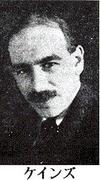


長らく邦訳が待たれたケインズの名著『確率論』(全集第8巻)に関するコメントはこちらに。またの名を『蓋然性論』とも。
<原題>A Treatise on Probability
原著は以下にて無料で入手できます。
http://
<原題>A Treatise on Probability
原著は以下にて無料で入手できます。
http://
|
|
|
|
コメント(115)
>紅之豚さん
ケインズの場合は、形式化に限界を感じつつも、『確率論』ではそれを意図的にやっていた部分があったようにも思えますね。そのようなケインズの姿勢は、『確率論』中では例えばChap.2、原著p.19 脚注1もしくは邦訳p.20 脚注5あたりに表れているようです。
どうやら、本トピックの31で述べられているように、「数理化した際のケインズの意図を予め定義などしておく」ことが必要のようですね。
過去の同様の研究としては、次のものがあります。
ロッド・オドンネル「ケインズと形式主義」『一般理論―第二版 ―もしケインズが今日生きていたら 第2巻』多賀出版 2005。
また、現代の言語学でも、ノーム・チョムスキーに始まる形式的な言語観(生成文法など)とジョージ・レイコフのような認知言語観(概念メタファーなど)が対立しているような状態だといいますね。経済学でも、それまでの「経済人」に対して行動経済学が出てきていますし、形式主義と非形式主義が対立する構図が他にもあるかもしれません。
>いずいずさん
O’Donnell, R. M. (1989) "KEYNES: Philosophy, Economics & Politics, Palgrave" Macmillanですね。僕も簡単にですが目を通し、確率と推論の重みの相互作用関係を表す図を修論に引用しました。
また、推論の重みに関連して、僕は今タレブの新刊『強さと脆さ』を読んでいるのですが、これにも「確率の確率を考えるべき」という旨のことが書いてある部分がありました。タレブは以前からケインズの『確率論』を非常に高く評価しているようですので、堅い論文を読むのに疲れたら、気分転換にでも読んでみてください。
むらはる様
「第二版」は、実は全く見ておりませんで……。
あと、言語論も全く勉強していません。色々と教えていただければ幸いです。
ケインズの『確率論』は、それ自体で完結した著作でもあるのでしょうが、やはり当時のケンブリッジの哲学者たちの思索の流れの中に位置づけられるべきものなんだなぁということを改めて感じています。
そうした周辺を知るための一番手ごろそうなものとして、昔読んだバートランド・ラッセルの『哲学入門』(The Problems of Philosophy)を引っ張り出してきました。あと、同じくラッセルの『論理的原子論の哲学』(ちくま学芸文庫)を買ってきました。ヴィトゲンシュタインの『青色本』よりも、これらの方が関係が直接的であるように感じています。
ヴィトゲンシュタインでは、やはり『論理哲学論考』との関係を理解したいですね。彼の『確実性について』も斜め読みしてみたのですが、タイトルの割に、こちらは『確率論』との直接的な関連は見当たりませんでした。
タレブの新刊も面白そうですね。少しだけ立ち読みはしたのですが、まだ手を出せずにいます。
>紅之豚さん
僕も言語学は門外漢ですし、『第二版』も所有しておらず、研究室にあったものに目を通した程度なので、実はオドンネルとコーツの部分しか読んでいません…。。。ですが、『確率論』を読み解いていくのに、言語学は有効な切り口のひとつであるような気がしています。
清水先生のエッセイは非常に興味深いですね!
実は、ケインズがラムゼイの批判を受け入れて自身の確率解釈を放棄したという説には僕もまったく同意できません。ケインズが諦めたのは形式的な手法の追究であり、蓋然性や不確実性に関する主張そのものではないのだと思います。
ラムゼイの確率観は後の意思決定論に大きな影響力を持っているので、この辺りは経済学的に非常に重要ですね。ラムゼイがベイズ的な確率の形式化にあたって見落としたものを明らかにすることが、サヴェッジの主観的期待効用理論やルーカスの合理的期待形成仮説の立脚する「規範的」意思決定論にたいして反論するための鍵になるはずです。
allegro様
コメント53でご指摘の点。
原文は以下のとおりで、
These properties are illustrated in the annexed diagram,
O represents impossibility, I certainty, and A a
numerically measurable probability intermediate between
O and I;
「DとIとの中間」は誤りであり、「OとIとの中間」ですね。
手元にある1921年版の1957年のリプリント版でも、1973年の全集版の1996年リプリント版でも「O」です。ただし、旧版の「O」はただの大文字ですが、全集版では斜体字になっていました。
旧版も見てからお応えしようと思っていて、時期を外してしまいました。
誤訳とか誤植の発見は、宝物探しかクジに当ったものと思って……(笑)
ケインズ『確率論』に関する日本語の文献については、清水徹朗氏による以下の目録がありますが、
http://anaito.web.fc2.com/Paper_Shimizu_Ref.doc
最初期(1952年)と言ってもよい頃の文献で、この目録に載っていないものがありましたので、ご紹介します。
■武隈良一
「直観確率論の基礎 : ケインズ確率論のクープマンによる数學的基礎付け」
http://barrel.ih.otaru-uc.ac.jp/bitstream/10252/3400/1/ER_3(2)_63-91.pdf
「商学討究」(1952), 3(2): 63-91所収
ケインズにかかわる部分は4ページほどであり、また哲学や論理学というよりも数学的な視点からの解釈である点が、現代の眼から見ると疑問に思われるところかも知れませんが、先駆的な業績として貴重なものではないかと思いました。
「直観確率論(the Intuitive Probability Theory)」という用語も面白いですね。
このトピックの冒頭にも記したとおり、原書のpdfファイルが無料で入手できますが、「やっぱり本は製本されたものじゃないと」という古典派(笑)の方には、1500円程度で入手できるペーパーバック版が何種かあります。ご参考まで。
"A Treatise on Probability"
by John Maynard Keynes
http://www.amazon.co.jp/Treatise-Probability-John-Maynard-Keynes/dp/1596055308/
http://www.amazon.co.jp/Treatise-Probability-John-Maynard-Keynes/dp/1603861181/
http://www.amazon.co.jp/Treatise-Probability-John-Maynard-Keynes/dp/9563100417/
"A Treatise on Probability"
by John Maynard Keynes
http://www.amazon.co.jp/Treatise-Probability-John-Maynard-Keynes/dp/1596055308/
http://www.amazon.co.jp/Treatise-Probability-John-Maynard-Keynes/dp/1603861181/
http://www.amazon.co.jp/Treatise-Probability-John-Maynard-Keynes/dp/9563100417/
先日の研究会でご紹介したことの記録と補足です。
ケインズの『確率論』は、人間が持つ「知識」に関する理論の一部を形作っているものだと思います。この「知識」あるいは「知る」ということは人間の「心(mind)」の機能としても考えることが出来るわけで、そのような意味では哲学の認識論の一部であるとも言えます。
ケインズ自身が独自の「知識論」や「認識論」を展開し、それを書物の形で残していれば、『確率論』をそれらとの相互関係の中で考えることも出来ます。しかし、実際にはそのようなものがないため、『確率論』で述べていることの意味や意義が分かりにくくなっている面もあると思います。
たとえば、『確率論』の第2章・第6節に「直接的に見知る(direct acqaintance)」という言葉が出てきます。ところが、この「acqaintance」がどのようなことを意味しているのかについてケインズは、『確率論』の中では充分な説明を行っていません。
こうした欠点を補うために、ムーア、ラッセル、ウィトゲンシュタイン、ラムジーなどの著作から、ケインズの確率論と関連する部分を参考とするのは、それなりに有意義なことだと思います。残念ながら僕はまだ、ムーアとラムジーは読んでいません。ウィトゲンシュタインについても、まだ読み始めたばかりです。しかし、ラッセルについてならば多少のことは書けるので、ここで、ケインズ『確率論』との兼ね合いでのラッセル著作案内をしてみたいと思います。
取り上げるのは、以下の3冊です。
『哲学入門』(原著刊行1912年)
『人間の知識』(原著刊行1948年)
『心の分析』(原著刊行1921年)
■『哲学入門』"The Problem of Philosophy"
原題のとおり必ずしも「入門」ではないのですが、ラッセルの著作としてのみならず、哲学書としても比較的読みやすい本だと思います。内容としては存在論・認識論・世界観などについて書かれていますが、分量は文庫本で200ページ程度であり手ごろです。「前書き」のところに「J.M.ケインズの未刊行の著作から貴重な支援を受けた」と書かれており、ケインズの確率論からの影響が明示されています。
もっとも、この本の初版刊行は1912年であり、ラッセルが読んだのは1921年刊行の『確率論』ではなく、ケインズが1907年に書いた確率論に関する「論文」の方ですが。1926年に刊行された『哲学入門』のドイツ語版への序言な中でラッセルは「後に出版されたケインズの『確率論』が利用できていれば、帰納についてもっと多くのことが言えたにちがいない」とも書いています。
本書の中で『確率論』と深く関わるのは、以下の章です。
第5章 :面識による知識と記述による知識(見知りによる知識と……)
第6章 :帰納について
第7章 :一般的原理の知識について
第12章:真と偽(真理と虚偽)
第13章:知識、誤謬、蓋然的な見解(蓋然的意見)
僕が親しんでいる訳は、中村秀吉の訳による社会思想社・現代教養文庫版ですが、今では高村夏輝の訳による「ちくま学芸文庫」版の方が入手しやすいでしょう。ちくま学術文庫版には「ドイツ語版への序言」も併載されており、索引もあるので便利です。
ただし、訳語の違いには注意が必要です。『確率論』の第2章・第6節に「直接的に見知る(direct acqaintance)」という言葉が出てきますが、この「acqaintance」は中村訳では「見知り」となっていますが、高村訳では「面識」となっています。この概念については、『哲学入門』の第5章で詳しく検討されています。ケインズが説明も無しにサラリと使っている用語などについて、その用法を検討する場合、この本は便利だと思います。
(つづく)
(つづき)
■『人間の知識』"Human Knowledge-It's Scope and Limits"
全6部・51章からなり、原書は500ページを超えます。
この本の第5部が「蓋然性(Probability)」と題されており、この部を構成する7章のうちの第5章が「ケインズの蓋然性の理論(Keynes's Theory of Probability)」とされています。原書で8ページほどの分量ですが、ケインズの確率論とラッセルの知識論の関係を知ることが出来ます。
この部分については、いずれ研究会の中でも取り上げて検討してみたいですね。
邦訳としては、鎮目恭夫の訳が「バートランド・ラッセル著作集」の第9巻・第10巻として、みすず書房から出ています。
■『心の分析』"The Analysis of Mind"
前の2著に比べると、ケインズ『確率論』との関係は間接的なものとなりますが、「知識」に限らず人間の「心的現象」全般を取り上げている点と、刊行が『確率論』と同時期である点が注目されます。
全15章(講義)で構成されていますが、『確率論』と関わる部分は以下のところです。
講義7 :知覚の定義
講義12:信念
講義13:真と偽
竹尾治一郎の訳が勁草書房から出ています。
【さいごに】
ケインズの『確率論』は難しい本ですが、用語法の点で躓いたときなどには、特に『哲学入門』などにあたってみるのもよいと思います。
「確率(蓋然性)」についての簡単な説明の参考文献です。
"Probability"
by Branden Fitelson, Alan Hájek, and Ned Hall
http://philrsss.anu.edu.au/people-defaults/alanh/papers/probability.pdf
In The Routledge Encyclopedia of Philosophy of Science, eds. Jessica Pfeiffer, Sherri Rausch, and Sahotra Sarkar, Routledge.
確率の「論理説」「主観説」「客観説」について30ページほどで解説しています。
"Probability"
by Branden Fitelson, Alan Hájek, and Ned Hall
http://philrsss.anu.edu.au/people-defaults/alanh/papers/probability.pdf
In The Routledge Encyclopedia of Philosophy of Science, eds. Jessica Pfeiffer, Sherri Rausch, and Sahotra Sarkar, Routledge.
確率の「論理説」「主観説」「客観説」について30ページほどで解説しています。
以下の一節を読んでみてください。
「令名高きライプニッツ氏は、これまでの論理学の一般的な体系の欠陥として次のことを指摘している。すなわち、これまでの論理学の体系は、[演繹的]推論の形成における知性の働きを説明するのには非常に冗長であるのに、生活や行動の全てが依拠しており、また哲学的の思弁的議論の大部分においても我々の導き手となるところの蓋然性、および明証性のその他の尺度になると、あまりにも簡単にしか触れてこなかったと。この批判において、ライプニッツ氏が念頭においているのは『人間知性論』[ジョン・ロック著]、『真理の探究』[マールブランシュ著]、『思考の技法』[アルノー著『ポール・ロワイヤル論理学』]である。」
The celebrated Monsieur Leibniz has observed it to be a defect in the common systems of logic, that they are very copious when they explain the operations of the understanding in the forming of demonstrations, but are too concise when they treat of probabilities, and those other measures of evidence on which life and action intirely depend, and which are our guides even in most of our philosophical speculations. In this censure, he comprehends the essay on human understanding, la recherche de la vérité, and l’art de penser.
これは、ケインズが1933年に「発見」した『人間本性論摘要』の一節です。この『摘要』の著者についてケインズは、ヒュームであると推定していますが、この一節なんか、そのままケインズの『確率論』の一節であるようにも読めます。
つまり、それくらいにケインズ『確率論』とヒューム『人間本性論』の問題意識は重なり合っているのだと思います。この本を発見して読んだケインズは、まさに「我が意を得たり」といった感じであったのではないかと思います。
ちなみに、この一節には次の言葉が続きます。
「『人間本性論』の著者は、これらの[哲学書の著者である]哲学者たちに見られる欠陥を充分に意識して、できる限りこの欠陥を補おうとしたのである。この著作[ヒュームの『人間本性論』]には新しく注目すべき思弁的議論が極めて多く含まれているため、全体について正しい概念を読者に提供することは不可能であろう。そのため、[今後の議論は]主として、原因と結果に基づく我々の推論についての彼[ヒューム]の説明に絞りたい。もし、読者に対して[この点を]理解させられるならば、その理解は全体に対する見本ともなるであろう。」
The author of the treatise of human nature seems to have been sensible of this defect in these philosophers, and has endeavoured, as much as he can, to supply it. As his book contains a great number of speculations very new and remarkable, it will be impossible to give the reader a just notion of the whole. We shall therefore chiefly confine ourselves to his explication of our reasonings from cause and effect. If we can make this intelligible to the reader, it may serve as a specimen of the whole.
from “An Abstract of A Treatise of Human Nature”
by David Hume
http://www.ff.iij4u.or.jp/~yyuji/library/index.html
斎藤繁雄氏および伊藤邦武氏の訳を参照しつつ小生が訳文を作りました。
斎藤氏の訳は法政大学出版会から出ている『人間知性研究』に収録されています(p.206)。
伊藤氏の訳は同氏の『偶然の宇宙』(岩波書店・2002年、p.47)にあります。
Frank H. Knight の
“Risk, Uncertainty, and Profit” [1921]
の原書の入手先については、コメント70でむらはるさんから紹介されていますが、pdfファイル版を見つけましたので、お知らせします。
http://files.libertyfund.org/files/306/Knight_0192_EBk_v5.pdf
邦訳は、文雅堂銀行研究社から現代経済学名著選集の中の一冊として
奥隅栄喜訳『危険・不確実性および利潤』
http://www.bk1.jp/product/00824663?partnerid=p-kentubk173122
が1972年に出ていますが、入手は困難だと思います。
<復刊ドットコム>
http://www.fukkan.com/fk/VoteDetail?no=53130
<フランク・ナイト著作目録>
http://www.geocities.jp/uwasano2008/frank-knight-tyo.html
ナイトの『リスク、不確実性および利潤』
日本語訳の公開は中止されてしまいましたね。
原文もアドレスが変わったりしているようなので、あらためて。
http://oll.libertyfund.org/?option=com_staticxt&staticfile=show.php%3Ftitle=306&Itemid=27
http://snap3.uas.mx/RECURSO1/pensamiento%20economico/LECTURAS%20HISTORIA%20DEL%20PENSAMIENTO%20ECON%E0MICO.%20INGL%90S/Knight.%20Risk,%20Uncertainty%20and%20Profit.pdf
- mixiユーザー
- ログインしてコメントしよう!
|
|
|
|
ケインズ 更新情報
-
最新のアンケート
-
まだ何もありません
-
ケインズのメンバーはこんなコミュニティにも参加しています


人気コミュニティランキング

- 1位
- 相棒
- 59204人

- 2位
- 30代〜40代から友達作り【友活】
- 35837人

- 3位
- 40歳以上のおじさん&おばさん
- 14764人