
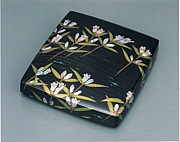


|
|
|
|
コメント(13)
「時代を超える技〜歴史的建造物を科学する〜(7)絢爛な装飾を生んだ漆の秘密 〜日光東照宮・日光〜」
が、今週地元の小さいケーブルテレビ局で放送されているのを知りました。
オンラインでも無料視聴できますので、ごらんになってください。
金箔を漆で貼るのと、膠で貼るのはどう違うかを科学的に説明しています。
http://sc-smn.jst.go.jp/8/bangumi.asp?i_series_code=B075101&i_renban_code=007
同じく、サイエンス・チャンネルのThe Makingという番組の中で「漆の器ができるまで」というのがありました。
http://sc-smn.jst.go.jp/8/bangumi.asp?i_series_code=B070601&i_renban_code=227
カピさん、
ちょっと先の話ですが、忘れないうちに書いておきました。
既にネット上に英語のフレーズが出ているので、貼り付けておきますね。
http://gogakuru.com/english/phrase/program/4_トラッド%E3%80%80ジャパン.html
Each piece of lacquerware presents a different impression depending on the colour of its lacquer.
使われる漆の色によって、漆器の一つ一つが異なる印象を与えます。
Red lacquerware is equally common. In ancient times, red was believed to be an auspicious colour that kept away evil spirits and brought good luck.
黒い漆と並んでよく使われるのが赤い漆です。古くは、赤は魔をはらい、福を呼ぶ縁起の良い色と考えられていました。
Lacquer ― known as urushi in Japanese ― is a natural material obtained from the sap of the lacquer tree.
漆は、ウルシの木の樹液から採れる天然素材です。
Because the resin can cause a rash if it touches the skin, it was commonly believed that urushi had special powers to ward off evil.
漆は触るとかぶれます。このため、漆には邪悪なものを寄せ付けない特別な力があると信じられてきました。
A single tree can only produce a few grams of resin each time it is tapped.
一本の木から一回に採れる樹液はわずか数グラムです。
Urushi was in use in Japan at least 3,000 years ago, in the Jomon period.
漆は、日本で少なくとも3000年前の縄文時代において、すでに使われていました。
This scroll dates from the 13th century. It shows people eating from black lacquerware dishes. From around that time, lacquerware became a part of daily life.
これは13世紀の絵巻です。黒塗りの器で食事する人々が描かれています。この頃から、漆器は日常生活の一部となっていきました。
Later, lacquerware was associated with the tea ceremony, and the decoration techniques gradually became more sophisticated.
その後、漆器は茶の湯の文化とも結びつき、次第に装飾の技術も洗練されていきました。
- mixiユーザー
- ログインしてコメントしよう!
|
|
|
|
うるし!漆大好き! 更新情報
-
最新のイベント
-
まだ何もありません
-
-
最新のアンケート
-
まだ何もありません
-
うるし!漆大好き!のメンバーはこんなコミュニティにも参加しています


人気コミュニティランキング
- 1位
- 独り言
- 10163人
- 2位
- マイミク募集💖50代60代70代
- 2412人
- 3位
- 暮らしを楽しむ
- 78111人