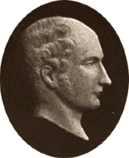


今週は時間がなくて単語や訳が載せられませんが、とりあえず学習した英文を書いておきます。お暇な時に復習のため訳にチャレンジしてください。
2006,5,20
To pass from this to the only other instance of judicial iniquity, the mention of which, after the condemnation of Socrates, would not be an anti-climax: the event which took place on Calvary rather more than eighteen hundred years ago. The man who left on the memory of those who witnessed his life and conversation, such an impression of his moral grandeur, that eighteen subsequent centuries have done homage to him as the Almighty in person, was ignominiously put to death, as what? As a blasphemer. Men did not merely mistake their benefactor; they mistook him for the exact contrary of what he was, and treated him as that prodigy of impiety, which they themselves are now held to be, for their treatment of him. The feelings with which mankind now regard these lamentable transactions, especially the later of the two, render them extremely unjust in their judgment of the unhappy actors. These were, to all appearance, not bad men;not worse than men most commonly are, but rather the contrary; men who possessed in a full, or somewhat more than a full measure, the religious, moral, and patriotic feelings of their time and people: the very kind of men who, in all times, our own included, have every chance of passing through life blameless and respected. The high-priest who rent his garments when the words were pronounced, which, according to all the ideas of his country, constituted the blackest guilt, was in all probability quite as sincere in his horror and indignation, as the generality of respectable and pious men now are in the religious and moral sentiments they profess; and most of those who now shudder at his conduct, if they had lived in his time, and been born Jews, would have acted precisely as he did. Orthodox Christians who are tempted to think that those who stoned to death the first martyrs must have been worse men than they themselves are, ought to remember that one of those persecutors was Saint Paul.
Let us add one more example, the most striking of all, if the impressiveness of an error is measured by the wisdom and virtue of him who falls into it. If ever any one, possessed of power, had grounds for thinking himself the best and most enlightened among his cotemporaries, it was the Emperor Marcus Aurelius. Absolute monarch of the whole civilized world, he preserved through life not only the most unblemished justice, but what was less to be expected from his Stoical breeding, the tenderest heart. The few failings which are attributed to him, were all on the side of indulgence: while his writings, the highest ethical product of the ancient mind, differ scarcely perceptibly, if they differ at all, from the most characteristic teachings of Christ. This man, a better Christian in all but the dogmatic sense of the word, than almost any of the ostensibly Christian sovereigns who have since reigned, persecuted Christianity.
2006,5,20
To pass from this to the only other instance of judicial iniquity, the mention of which, after the condemnation of Socrates, would not be an anti-climax: the event which took place on Calvary rather more than eighteen hundred years ago. The man who left on the memory of those who witnessed his life and conversation, such an impression of his moral grandeur, that eighteen subsequent centuries have done homage to him as the Almighty in person, was ignominiously put to death, as what? As a blasphemer. Men did not merely mistake their benefactor; they mistook him for the exact contrary of what he was, and treated him as that prodigy of impiety, which they themselves are now held to be, for their treatment of him. The feelings with which mankind now regard these lamentable transactions, especially the later of the two, render them extremely unjust in their judgment of the unhappy actors. These were, to all appearance, not bad men;not worse than men most commonly are, but rather the contrary; men who possessed in a full, or somewhat more than a full measure, the religious, moral, and patriotic feelings of their time and people: the very kind of men who, in all times, our own included, have every chance of passing through life blameless and respected. The high-priest who rent his garments when the words were pronounced, which, according to all the ideas of his country, constituted the blackest guilt, was in all probability quite as sincere in his horror and indignation, as the generality of respectable and pious men now are in the religious and moral sentiments they profess; and most of those who now shudder at his conduct, if they had lived in his time, and been born Jews, would have acted precisely as he did. Orthodox Christians who are tempted to think that those who stoned to death the first martyrs must have been worse men than they themselves are, ought to remember that one of those persecutors was Saint Paul.
Let us add one more example, the most striking of all, if the impressiveness of an error is measured by the wisdom and virtue of him who falls into it. If ever any one, possessed of power, had grounds for thinking himself the best and most enlightened among his cotemporaries, it was the Emperor Marcus Aurelius. Absolute monarch of the whole civilized world, he preserved through life not only the most unblemished justice, but what was less to be expected from his Stoical breeding, the tenderest heart. The few failings which are attributed to him, were all on the side of indulgence: while his writings, the highest ethical product of the ancient mind, differ scarcely perceptibly, if they differ at all, from the most characteristic teachings of Christ. This man, a better Christian in all but the dogmatic sense of the word, than almost any of the ostensibly Christian sovereigns who have since reigned, persecuted Christianity.
|
|
|
|
コメント(1)
単語をまとめてみました。
岩波新書 自由論 (ミル)54ページ始めから56ページ4行目 2006,5,20
To pass from this to the only other instance of judicial iniquity, the mention of which, after the condemnation of Socrates, would not be an anti-climax: the event which took place on Calvary rather more than eighteen hundred years ago.
judicial 司法
iniquity 不正
condemnation 非難
Socrates ソクラテス
The man who left on the memory of those who witnessed his life and conversation, such an impression of his moral grandeur, that eighteen subsequent centuries have done homage to him as the Almighty in person, was ignominiously put to death, as what?
grandeur 雄大、偉大
subsequent 続いて起こる
ignominiously 不名誉に
As a blasphemer. Men did not merely mistake their benefactor; they mistook him for the exact contrary of what he was, and treated him as that prodigy of impiety, which they themselves are now held to be, for their treatment of him.
blasphemer 不敬なことを言う人
benefactor 恩人
prodigy 天才、非凡な人
impiety 不信心
The feelings with which mankind now regard these lamentable transactions, especially the later of the two, render them extremely unjust in their judgment of the unhappy actors.
lamentable 遺憾な
transaction 処理
These were, to all appearance, not bad men;not worse than men most commonly are, but rather the contrary; men who possessed in a full, or somewhat more than a full measure, the religious, moral, and patriotic feelings of their time and people: the very kind of men who, in all times, our own included, have every chance of passing through life blameless and respected.
The high-priest who rent his garments when the words were pronounced, which, according to all the ideas of his country, constituted the blackest guilt, was in all probability quite as sincere in his horror and indignation, as the generality of respectable and pious men now are in the religious and moral sentiments they profess; and most of those who now shudder at his conduct, if they had lived in his time, and been born Jews, would have acted precisely as he did.
rent 引き裂く
garment 衣服
sincere 正直な、誠実な
horror 恐怖、嫌悪
indignation 怒り
pious 敬虔な、信心深い
profess 明言する
shudder 震える
precisely 正確に
Orthodox Christians who are tempted to think that those who stoned to death the first martyrs must have been worse men than they themselves are, ought to remember that one of those persecutors was Saint Paul.
Orthodox 正統の
martyr 殉職者
persecutor 迫害者
Let us add one more example, the most striking of all, if the impressiveness of an error is measured by the wisdom and virtue of him who falls into it.
If ever any one, possessed of power, had grounds for thinking himself the best and most enlightened among his cotemporaries, it was the Emperor Marcus Aurelius.
cotemporary
Absolute monarch of the whole civilized world, he preserved through life not only the most unblemished justice, but what was less to be expected from his Stoical breeding, the tenderest heart.
monarch 君主
preserve 保存する
unblemish 傷のない、潔白な
Stoical ストア哲学の
The few failings which are attributed to him, were all on the side of indulgence: while his writings, the highest ethical product of the ancient mind, differ scarcely perceptibly, if they differ at all, from the most characteristic teachings of Christ.
failing 欠点
attribute 帰する
indulgence 偶像化する
perceptibly 感知できる程度に
This man, a better Christian in all but the dogmatic sense of the word, than almost any of the ostensibly Christian sovereigns who have since reigned, persecuted Christianity.
dogmatic 教義上の
ostensibly 表面上
sovereign 元首、君主
persecute 迫害する
岩波新書 自由論 (ミル)54ページ始めから56ページ4行目 2006,5,20
To pass from this to the only other instance of judicial iniquity, the mention of which, after the condemnation of Socrates, would not be an anti-climax: the event which took place on Calvary rather more than eighteen hundred years ago.
judicial 司法
iniquity 不正
condemnation 非難
Socrates ソクラテス
The man who left on the memory of those who witnessed his life and conversation, such an impression of his moral grandeur, that eighteen subsequent centuries have done homage to him as the Almighty in person, was ignominiously put to death, as what?
grandeur 雄大、偉大
subsequent 続いて起こる
ignominiously 不名誉に
As a blasphemer. Men did not merely mistake their benefactor; they mistook him for the exact contrary of what he was, and treated him as that prodigy of impiety, which they themselves are now held to be, for their treatment of him.
blasphemer 不敬なことを言う人
benefactor 恩人
prodigy 天才、非凡な人
impiety 不信心
The feelings with which mankind now regard these lamentable transactions, especially the later of the two, render them extremely unjust in their judgment of the unhappy actors.
lamentable 遺憾な
transaction 処理
These were, to all appearance, not bad men;not worse than men most commonly are, but rather the contrary; men who possessed in a full, or somewhat more than a full measure, the religious, moral, and patriotic feelings of their time and people: the very kind of men who, in all times, our own included, have every chance of passing through life blameless and respected.
The high-priest who rent his garments when the words were pronounced, which, according to all the ideas of his country, constituted the blackest guilt, was in all probability quite as sincere in his horror and indignation, as the generality of respectable and pious men now are in the religious and moral sentiments they profess; and most of those who now shudder at his conduct, if they had lived in his time, and been born Jews, would have acted precisely as he did.
rent 引き裂く
garment 衣服
sincere 正直な、誠実な
horror 恐怖、嫌悪
indignation 怒り
pious 敬虔な、信心深い
profess 明言する
shudder 震える
precisely 正確に
Orthodox Christians who are tempted to think that those who stoned to death the first martyrs must have been worse men than they themselves are, ought to remember that one of those persecutors was Saint Paul.
Orthodox 正統の
martyr 殉職者
persecutor 迫害者
Let us add one more example, the most striking of all, if the impressiveness of an error is measured by the wisdom and virtue of him who falls into it.
If ever any one, possessed of power, had grounds for thinking himself the best and most enlightened among his cotemporaries, it was the Emperor Marcus Aurelius.
cotemporary
Absolute monarch of the whole civilized world, he preserved through life not only the most unblemished justice, but what was less to be expected from his Stoical breeding, the tenderest heart.
monarch 君主
preserve 保存する
unblemish 傷のない、潔白な
Stoical ストア哲学の
The few failings which are attributed to him, were all on the side of indulgence: while his writings, the highest ethical product of the ancient mind, differ scarcely perceptibly, if they differ at all, from the most characteristic teachings of Christ.
failing 欠点
attribute 帰する
indulgence 偶像化する
perceptibly 感知できる程度に
This man, a better Christian in all but the dogmatic sense of the word, than almost any of the ostensibly Christian sovereigns who have since reigned, persecuted Christianity.
dogmatic 教義上の
ostensibly 表面上
sovereign 元首、君主
persecute 迫害する
- mixiユーザー
- ログインしてコメントしよう!
|
|
|
|
ミル自由論 更新情報
-
最新のイベント
-
まだ何もありません
-
-
最新のアンケート
-
まだ何もありません
-