

|
|
|
|
コメント(21)
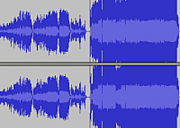
下川みくにさんの曲「Tomorrow」の比べです。
左側はかなり前に出た「Best Selection」からのデータです。右側は去年の「Reprise 〜アニソンベスト〜」からのデータです。意外と最近のCDの方が良い音質を持ってます。ですが、そのCDの全曲がそうとは限りません。同じ曲でも音質が大分違う事を知らせる例です。
Comparison for Shimokawa Mikuni's "Tomorrow."
Left is from old release, "Best Selection." Right is from last year's release, "Reprise ~AniSong Best~." Surprisingly, later release has better sound quality. However, it does not mean that all songs on that CD are of better quality. This is merely an example to show that even the same song can have vastly different sound qualities depending on which CD they're on.
左側はかなり前に出た「Best Selection」からのデータです。右側は去年の「Reprise 〜アニソンベスト〜」からのデータです。意外と最近のCDの方が良い音質を持ってます。ですが、そのCDの全曲がそうとは限りません。同じ曲でも音質が大分違う事を知らせる例です。
Comparison for Shimokawa Mikuni's "Tomorrow."
Left is from old release, "Best Selection." Right is from last year's release, "Reprise ~AniSong Best~." Surprisingly, later release has better sound quality. However, it does not mean that all songs on that CD are of better quality. This is merely an example to show that even the same song can have vastly different sound qualities depending on which CD they're on.
桃井はるこさんの曲「21世紀」の比べです。
左側は前に出たシングルからのデータです。右側は最新のアルバム「Sunday Early Morning」からのデータです。こっちも意外と最新の方が良い音質を持ってます。良い事です。これからも良い方に続けて欲しいです。SACDも出したらもっと良いと思いますけどね。
Comparison for Momoi Halko's "21st Century."
Left is from the original single. Right is from the latest album, "Sunday Early Morning." Surprisingly again, latest release has slightly better sound quality. I'm hoping this trend will continue. It'd be nice to see her release SACD as well.
左側は前に出たシングルからのデータです。右側は最新のアルバム「Sunday Early Morning」からのデータです。こっちも意外と最新の方が良い音質を持ってます。良い事です。これからも良い方に続けて欲しいです。SACDも出したらもっと良いと思いますけどね。
Comparison for Momoi Halko's "21st Century."
Left is from the original single. Right is from the latest album, "Sunday Early Morning." Surprisingly again, latest release has slightly better sound quality. I'm hoping this trend will continue. It'd be nice to see her release SACD as well.
Suaraさんの「太陽と月」のトラック1、"Haunting Melody" の CD vs. SACD データ比べです。
This is a comparison of CD layer and SACD layer data for track 1, "Haunting Melody," from Suara's album, "Taiyou to Tsuki."
このアルバムでは14曲の中4~5曲だけが High-Definition 器材を使用した録音だと思われます。それはトラック2, 6, 8 と 11です:
2:「光の季節」
6:「June」
8:「Crawl」
11:「水鏡」
Out of the 14 tracks, only 4 to 5 tracks are believed to be recorded using high-fidelity equipment. They're tracks 2, 6, 8, and 11:
2: "Hikari no Kisetsu"
6: "June"
8: "Crawl"
11: "Mizukagami"
後トラック5:「太陽と月」は微妙ですね。
The status for track 5, "Taiyou to Tsuki" is questionable.
他のトラックは全部 48kHz 未満の録音をDSDに化したデータだと思われます。
All other tracks were likely recorded at 48kHz or less, then converted to DSD format.
This is a comparison of CD layer and SACD layer data for track 1, "Haunting Melody," from Suara's album, "Taiyou to Tsuki."
このアルバムでは14曲の中4~5曲だけが High-Definition 器材を使用した録音だと思われます。それはトラック2, 6, 8 と 11です:
2:「光の季節」
6:「June」
8:「Crawl」
11:「水鏡」
Out of the 14 tracks, only 4 to 5 tracks are believed to be recorded using high-fidelity equipment. They're tracks 2, 6, 8, and 11:
2: "Hikari no Kisetsu"
6: "June"
8: "Crawl"
11: "Mizukagami"
後トラック5:「太陽と月」は微妙ですね。
The status for track 5, "Taiyou to Tsuki" is questionable.
他のトラックは全部 48kHz 未満の録音をDSDに化したデータだと思われます。
All other tracks were likely recorded at 48kHz or less, then converted to DSD format.
Suaraさんのアルバム「太陽と月」の中で一番音質の良いと思われるトラック6、"June" の CD vs. SACD データ比べです。
This is a comparison of CD layer and SACD layer data for track 6, "June," from Suara's album, "Taiyou to Tsuki." This track is one of the highest audio quality tracks on this album.
以前のトラック1の比べと違ってSACDのデータはCDのデータには無い高頻度のデータを含めています。
Unlike the previous track 1 comparison, SACD's data contains high frequency information not found in the CD's data.
This is a comparison of CD layer and SACD layer data for track 6, "June," from Suara's album, "Taiyou to Tsuki." This track is one of the highest audio quality tracks on this album.
以前のトラック1の比べと違ってSACDのデータはCDのデータには無い高頻度のデータを含めています。
Unlike the previous track 1 comparison, SACD's data contains high frequency information not found in the CD's data.
今時の酷い音質のアニソンCD代表となる水樹奈々さんのちょっとした音質歴史です。
This is a little sound quality history of Mizuki Nana, the current lead in lousy sound quality ani-song CDs.
曲名は「想い」です。
Song title is "omoi."
左側は2000年12月6日リリースされたシングル「想い」(KICM-1010)のトラック1からの波形です。特に何の問題も無いと思います。
On the left, we have a waveform from track 1 of the single, "Omoi" (KICM-1010), released on December 6, 2000. There isn't anything particularly wrong with this waveform.
真ん中は2001年12月5日リリースされたアルバム「Supersonic Girl」(KICS-931)のトラック5からの波形です。前より少し太っちゃいましたね。意味もなくピークまで伸びてますね。
In the middle, we have a waveform from track 5 of the album, "Supersonic Girl" (KICS-931), released on December 5, 2001. It got a bit fatter than before. It's peaking all over the place for no good reason.
右側は2007年2月7日リリースされたアルバム「The Museum」(KIZC-3)のトラック1からの波形です。これは酷い。他に言葉がありませんね。こんなのは音楽ではありません。ただの雑音です。CDを窓から投げたくなりますね。
On the right, we have a waveform from track 1 of the album, "The Museum" (KIZC-3), released on February 7, 2007. It's awful. There's just no other word for it. This ain't no music. It's just noise. It makes me want to throw the CD out the window.
This is a little sound quality history of Mizuki Nana, the current lead in lousy sound quality ani-song CDs.
曲名は「想い」です。
Song title is "omoi."
左側は2000年12月6日リリースされたシングル「想い」(KICM-1010)のトラック1からの波形です。特に何の問題も無いと思います。
On the left, we have a waveform from track 1 of the single, "Omoi" (KICM-1010), released on December 6, 2000. There isn't anything particularly wrong with this waveform.
真ん中は2001年12月5日リリースされたアルバム「Supersonic Girl」(KICS-931)のトラック5からの波形です。前より少し太っちゃいましたね。意味もなくピークまで伸びてますね。
In the middle, we have a waveform from track 5 of the album, "Supersonic Girl" (KICS-931), released on December 5, 2001. It got a bit fatter than before. It's peaking all over the place for no good reason.
右側は2007年2月7日リリースされたアルバム「The Museum」(KIZC-3)のトラック1からの波形です。これは酷い。他に言葉がありませんね。こんなのは音楽ではありません。ただの雑音です。CDを窓から投げたくなりますね。
On the right, we have a waveform from track 1 of the album, "The Museum" (KIZC-3), released on February 7, 2007. It's awful. There's just no other word for it. This ain't no music. It's just noise. It makes me want to throw the CD out the window.
一体いつから僕達の音楽は汚れ始めたのでしょうか。
Since when did our music started to get ruined?
昔のデーターから見ると、漸進的な形で行われたのが分かります。
If you start looking from the old data, you can see it's been a gradual process.
今度のデーターは奥井雅美さんの曲、『リヴ・アローン~千年たっても 』からのです。
This time around, we'll look at the data from Okui Masami's "Live Alone ~Even After a Thousand Years."
左側は1995年5月24日リリースされたシングル「See you・・・」(KICA-241)のトラック8からの波形です。何の問題もありません。
On the left, we have a waveform from track 8 of the single, "See you..." (KICA-241), released on May 24, 1995. No problems at all.
真ん中は1995年4月21日リリースされたアルバム「Gyuu」(KICS-482)のトラック12からの波形です。シングルの音声より確実に圧縮されてますね。
In the middle, we have a waveform from track 12 of the album, "Gyuu" (KICS-482), released on April 21, 1995. You can see it's been compressed more.
右側は2001年3月21日リリースされたアルバム「S-mode #1 Disc 1」(KICS-873)のトラック11からの波形です。更に圧縮されてますね。
On the right, we have a waveform from track 11 of the album, "S-mode #1 Disc 1" (KICS-873), released on March 21, 2001. Audio is even further compressed.
もう8年も前の話ですね。信じ難いかも知れませんが、今時の音声はそれよりも酷いのが多数です。
Even the last CD above is 8 years old. Believe or not, majority of the recent CDs are even worse.
こんな状況が続くのはそれを知らん振りで許す人が多いからです。
The reason why this continues is because there are too many people who allow it to happen.
Since when did our music started to get ruined?
昔のデーターから見ると、漸進的な形で行われたのが分かります。
If you start looking from the old data, you can see it's been a gradual process.
今度のデーターは奥井雅美さんの曲、『リヴ・アローン~千年たっても 』からのです。
This time around, we'll look at the data from Okui Masami's "Live Alone ~Even After a Thousand Years."
左側は1995年5月24日リリースされたシングル「See you・・・」(KICA-241)のトラック8からの波形です。何の問題もありません。
On the left, we have a waveform from track 8 of the single, "See you..." (KICA-241), released on May 24, 1995. No problems at all.
真ん中は1995年4月21日リリースされたアルバム「Gyuu」(KICS-482)のトラック12からの波形です。シングルの音声より確実に圧縮されてますね。
In the middle, we have a waveform from track 12 of the album, "Gyuu" (KICS-482), released on April 21, 1995. You can see it's been compressed more.
右側は2001年3月21日リリースされたアルバム「S-mode #1 Disc 1」(KICS-873)のトラック11からの波形です。更に圧縮されてますね。
On the right, we have a waveform from track 11 of the album, "S-mode #1 Disc 1" (KICS-873), released on March 21, 2001. Audio is even further compressed.
もう8年も前の話ですね。信じ難いかも知れませんが、今時の音声はそれよりも酷いのが多数です。
Even the last CD above is 8 years old. Believe or not, majority of the recent CDs are even worse.
こんな状況が続くのはそれを知らん振りで許す人が多いからです。
The reason why this continues is because there are too many people who allow it to happen.
Waveforms from Mizuki Nana's single KICM-1211 track 3.
今回は圧縮ヴァリエーションに就いて語りたいと思います。
I would like to talk about dynamic range compression variations.
一番目は最悪の場合です。
First example shows the worst possible case.
早いアタック、緩いリリース、音全部(楽器、歌声等)を無差別に圧縮。その中にはクリップしてディストーションに成ってしまった音声も多い。他の音達と同じパワーに成ってしまたのでドラムが全然目立たない。パワーが拡散されているのでドラムのアタックも失われている。パワーレベルが何時もピークに近いので白色雑音見たいに間断なく煩い。
Fast attack, slow release, and indiscriminate compression of all sound, some even past clipping (and therefore distoring) points. Drum beats do not stand out because they're no louder than anything else and because they have completely lost their attack speed due to energy distribution. Sound is incessantly high energy, kind of like white noise.
今回は圧縮ヴァリエーションに就いて語りたいと思います。
I would like to talk about dynamic range compression variations.
一番目は最悪の場合です。
First example shows the worst possible case.
早いアタック、緩いリリース、音全部(楽器、歌声等)を無差別に圧縮。その中にはクリップしてディストーションに成ってしまった音声も多い。他の音達と同じパワーに成ってしまたのでドラムが全然目立たない。パワーが拡散されているのでドラムのアタックも失われている。パワーレベルが何時もピークに近いので白色雑音見たいに間断なく煩い。
Fast attack, slow release, and indiscriminate compression of all sound, some even past clipping (and therefore distoring) points. Drum beats do not stand out because they're no louder than anything else and because they have completely lost their attack speed due to energy distribution. Sound is incessantly high energy, kind of like white noise.
Waveforms from May'n / Nakajima Megumi's (Macross) single VTCL-35033 track 1.
二番目は一番目程ではないけど、うざいタイプです。
Second example isn't as bad as the first example, but still annoying.
緩いアタック、緩いリリース、音全部(楽器、歌声等)を無差別に圧縮。でも、ディストーションまでは行かない程度で収まってる。クリップしない事以外は上の一番目の例と略同じ。詰らない音質。最近のVictor社のリリースは全部この圧縮方を使っていると思われる。勿論、私はVictor社のCD はもう買わない。
Slower attack, slow release, and indiscriminate compression of all sound, but not to a distorting level. It's pretty similar to the first example except things aren't driven to distorting. Extremely boring sounding. Everything Victor releases seem to use this method. I obviously do not buy anything released by Victor anymore.
二番目は一番目程ではないけど、うざいタイプです。
Second example isn't as bad as the first example, but still annoying.
緩いアタック、緩いリリース、音全部(楽器、歌声等)を無差別に圧縮。でも、ディストーションまでは行かない程度で収まってる。クリップしない事以外は上の一番目の例と略同じ。詰らない音質。最近のVictor社のリリースは全部この圧縮方を使っていると思われる。勿論、私はVictor社のCD はもう買わない。
Slower attack, slow release, and indiscriminate compression of all sound, but not to a distorting level. It's pretty similar to the first example except things aren't driven to distorting. Extremely boring sounding. Everything Victor releases seem to use this method. I obviously do not buy anything released by Victor anymore.
Waveforms from Misato Aki's album LHCA-5074 track 1.
三番目は聞いても頭が痛くならない程度の例です。
Third example is not too bad, so won't cause a headache just listening to it.
早いアタック、でもリリースも早い。ちょっと緩めな圧縮方、でもピークはいつも圧縮されている。ちょっとでもレベルが高い部分は何時もピークまで伸ばしているので強制的でもダイナミックさはある。ピークが多いせいでクリップしてる様に見えるがクリップはしてない。ピークのおかげでドラムが、まあ、ドラムらしさを保存している。ナチュラルでは無いけど、聞いて楽しめる程度。なので、私は未だに美郷あきさんのCDはもっと買うべきか迷ってます。
Fast attack, but also fast release. Weak overall compression, plus peak compression to generate artificial sense of dynamics. Due to peak compression, it may appear to clip, but it does not clip. Drum beats maintain some semblance of, well, beats. Not very natural sounding, but listenable at an enjoyable volume level. I'm still torn between picking up more of her CDs because, even through they're technically broken, they are listenable.
三番目は聞いても頭が痛くならない程度の例です。
Third example is not too bad, so won't cause a headache just listening to it.
早いアタック、でもリリースも早い。ちょっと緩めな圧縮方、でもピークはいつも圧縮されている。ちょっとでもレベルが高い部分は何時もピークまで伸ばしているので強制的でもダイナミックさはある。ピークが多いせいでクリップしてる様に見えるがクリップはしてない。ピークのおかげでドラムが、まあ、ドラムらしさを保存している。ナチュラルでは無いけど、聞いて楽しめる程度。なので、私は未だに美郷あきさんのCDはもっと買うべきか迷ってます。
Fast attack, but also fast release. Weak overall compression, plus peak compression to generate artificial sense of dynamics. Due to peak compression, it may appear to clip, but it does not clip. Drum beats maintain some semblance of, well, beats. Not very natural sounding, but listenable at an enjoyable volume level. I'm still torn between picking up more of her CDs because, even through they're technically broken, they are listenable.
今度は私がSuaraさんのCDを買うのを止めた理由を説明します。未だに彼女のSACDは買い続けてますが、この後の事はそちらの出方によります。
I would like to talk about the reason I stopped buy Suara's CDs. Note I still buy her SACDs, but the future purchases depend on what they do (or not do) with the sound quality.
左側は私が最後に買ったSuaraさんのCD Single、舞い落ちる雪のように(KICM-4027、2008-01-28)からの波形です。酷いざまです。こんなの、買い続ける訳無いでしょう!
Left is the waveform from last Suara CD I purchased, "maiochiru yuki no you ni" (KICM-4027, 2008-01-28 release). Horrible, isn't it? There is no way I will continue to spend money on this kind of garbage.
真ん中はSACDアルバム、キズナ(KIGA-4、2009-08-19)のCD-レイヤーからの波形です。結構良い方です。
In the middle is the waveform from the CD-layer of the album, "Kizuna" (KIGA-4, 2009-08-19 release). It's not bad.
右側は同じSACDアルバム、キズナ(KIGA-4、2009-08-19)のSACD-レイヤーからの波形です。やっぱこれですね。ダイナミックが一番良く保存されています。
On the right is the waveform from the SACD-layer of the same album, "Kizuna" (KIGA-4, 2009-08-19 release). Now we're talking! It maintains the most dynamic range.
I would like to talk about the reason I stopped buy Suara's CDs. Note I still buy her SACDs, but the future purchases depend on what they do (or not do) with the sound quality.
左側は私が最後に買ったSuaraさんのCD Single、舞い落ちる雪のように(KICM-4027、2008-01-28)からの波形です。酷いざまです。こんなの、買い続ける訳無いでしょう!
Left is the waveform from last Suara CD I purchased, "maiochiru yuki no you ni" (KICM-4027, 2008-01-28 release). Horrible, isn't it? There is no way I will continue to spend money on this kind of garbage.
真ん中はSACDアルバム、キズナ(KIGA-4、2009-08-19)のCD-レイヤーからの波形です。結構良い方です。
In the middle is the waveform from the CD-layer of the album, "Kizuna" (KIGA-4, 2009-08-19 release). It's not bad.
右側は同じSACDアルバム、キズナ(KIGA-4、2009-08-19)のSACD-レイヤーからの波形です。やっぱこれですね。ダイナミックが一番良く保存されています。
On the right is the waveform from the SACD-layer of the same album, "Kizuna" (KIGA-4, 2009-08-19 release). Now we're talking! It maintains the most dynamic range.
ラジオCDまで汚れてる!
Even Radio CDs are being compressed to hell!
音楽CDはダメでも、トークCDは大丈夫だった…はず。
Music CDs have been getting worse overtime, but talk CDs were okay... for a while anyway.
左側は「ささら、まーりゃんの生徒会会長ラジオ for ToHeart2 Vol.8」(MIZO-0008)のCDトラック2のデータです。 何で!?
Left is the waveform from track 2 of the "Sasara, Ma-ryan no Seitokai Kaichou Radio Vol.8" (MIZO-0008). Why!?
真ん中は上のデータの細かい部分です。 馬鹿げに長いクリッピングが見えますね。
In the middle is a small portion of the above waveform. You can see a ridiculously long clipping.
これは録音の時のミス(マイクのレベルを間違え)じゃないかと思う人も居るでしょうが、違うと思います。 何故なら、ネットで放送されてた分の音質にもこのCDセットに入っているMP3データの音質にも何の問題も無いからです。 CD特別版が普通のネット放送分と違うスタジオで録音されるとは思いません。
Some people might think this is a problem in the recording itself (incorrect microphone level during recording). I don't think so because none of the internet radio broadcasts, nor any of the MP3 data on the companion CD-ROM have the problem. I doubt they record the CD special at a different recording studio.
右側がそのMP3(104回分)のデータです。 誰かが拍手をする瞬間とか以外はクリッピングしません!
On the right is the waveform from one of the MP3 tracks (episode 104). Except for occasional clipping due to someone clapping or other unusually loud moments, audio does not clip.
そして、CDの方もVol.1(MIZO-0001)とVol.4(MIZO-0004)の音質は完璧です。 多分運が良かったと思います。
Also, even on the CD audio side, volumes 1 and 4 (MIZO-0001 and MIZO-0004) have pristine audio quality. I'm guessing it was a pure luck.
CDに乗せるデータを圧縮する事が現員だと思われます。
The likely cause is that dynamic range compression is being applied to CD audio data.
何の為に!?
For what purpose!?
多分、これを作ってる人(エンジニアー?)は何も知らないで圧縮のボタンをクリックしたでしょうね。 そして、Vol.1とVol.4の時はそれを忘れただけじゃないでしょうか。
I bet a so-called "engineer" working on this CD just clicked on the "dynamic range compression" check mark without knowing a thing about it. S/he probably just forgot to click it for Vol.1 and Vol.4.
今って、不景気じゃなかったけ? こんなに何も分かって無い「エンジニアー」にお金出して何になるんです!
Aren't we in a recession? What the hell are they paying these useless so-called "engineers" for?
「専門学校に戻って、今度は何か学んで来い、馬鹿野郎!」と言ってあげたいですね。
I wish I could yell at them to, "go back to your vocational school and actually LEARN something this time, you idiot!"
Even Radio CDs are being compressed to hell!
音楽CDはダメでも、トークCDは大丈夫だった…はず。
Music CDs have been getting worse overtime, but talk CDs were okay... for a while anyway.
左側は「ささら、まーりゃんの生徒会会長ラジオ for ToHeart2 Vol.8」(MIZO-0008)のCDトラック2のデータです。 何で!?
Left is the waveform from track 2 of the "Sasara, Ma-ryan no Seitokai Kaichou Radio Vol.8" (MIZO-0008). Why!?
真ん中は上のデータの細かい部分です。 馬鹿げに長いクリッピングが見えますね。
In the middle is a small portion of the above waveform. You can see a ridiculously long clipping.
これは録音の時のミス(マイクのレベルを間違え)じゃないかと思う人も居るでしょうが、違うと思います。 何故なら、ネットで放送されてた分の音質にもこのCDセットに入っているMP3データの音質にも何の問題も無いからです。 CD特別版が普通のネット放送分と違うスタジオで録音されるとは思いません。
Some people might think this is a problem in the recording itself (incorrect microphone level during recording). I don't think so because none of the internet radio broadcasts, nor any of the MP3 data on the companion CD-ROM have the problem. I doubt they record the CD special at a different recording studio.
右側がそのMP3(104回分)のデータです。 誰かが拍手をする瞬間とか以外はクリッピングしません!
On the right is the waveform from one of the MP3 tracks (episode 104). Except for occasional clipping due to someone clapping or other unusually loud moments, audio does not clip.
そして、CDの方もVol.1(MIZO-0001)とVol.4(MIZO-0004)の音質は完璧です。 多分運が良かったと思います。
Also, even on the CD audio side, volumes 1 and 4 (MIZO-0001 and MIZO-0004) have pristine audio quality. I'm guessing it was a pure luck.
CDに乗せるデータを圧縮する事が現員だと思われます。
The likely cause is that dynamic range compression is being applied to CD audio data.
何の為に!?
For what purpose!?
多分、これを作ってる人(エンジニアー?)は何も知らないで圧縮のボタンをクリックしたでしょうね。 そして、Vol.1とVol.4の時はそれを忘れただけじゃないでしょうか。
I bet a so-called "engineer" working on this CD just clicked on the "dynamic range compression" check mark without knowing a thing about it. S/he probably just forgot to click it for Vol.1 and Vol.4.
今って、不景気じゃなかったけ? こんなに何も分かって無い「エンジニアー」にお金出して何になるんです!
Aren't we in a recession? What the hell are they paying these useless so-called "engineers" for?
「専門学校に戻って、今度は何か学んで来い、馬鹿野郎!」と言ってあげたいですね。
I wish I could yell at them to, "go back to your vocational school and actually LEARN something this time, you idiot!"
此間発売されたSuaraさんの2010年ライブ、「歌始め」のSACD(KIGA-6/7)とBlu-ray(KIXM-1011)とDVD(KIBM-252)の音質の問題の分析です。
This is an analysis of the recently released SACD, BD, and DVD of the Suara LIVE 2010, "Uta Hajime," all of which have *serious* sound quality problems.
音質的に色んな問題がありますが、一番明らかな問題は打楽器の音なので、そっちに集中したいと思います。
ぶっちゃけ、打楽器の音がクリッピングしてます。
There are a lot of different audio problems with these discs, but the most obvious one is the percussion sound, so I am going to concentrate on that.
It's clipping. It's as simple as that.
説明する事もありません。 左のイメージはKIGA-7のトラック3(星座)のSACDレイヤーのデータです。 そして、右のイメージは同じトラックのCDレイヤーのデータです。
There's really nothing that needs to be explained here. Left is a waveform from the SACD layer of KIGA-7, track 3 (Seiza). Right is the same thing from the CD layer.
因みにSACDレイヤーのリップは以下の機会で行われました:
SACD layer data was grabbed using the following setup:
* Sony SCD-C333ES (2V peak-to-peak output).
* Custom RCA plug cable with 10k-ohm resistor (1/2 watt metal film) on the active wire (center wire).
* M-Audio Audiophile 2496 PCI Audio Interface (10k-ohm input impedence and 1V peak-to-peak limit) at 24-bit 96kHz sampling rate.
上の設定に疑問がある方も居るかと思いますが、何の問題も無い事に確信があります。 他のSACDも同じ機会を使ってリップしましたけど、こんなクリッピングのデータは見たことありません。 後、CDの方も同じ機会でリップしてデジタルでリップしたデータと比べて見ましたけど、途轍も無く近かったです。
Some people may question above set up, but I'm confident there isn't any problem with above analogue ripping setup. I've ripped other SACDs using the same setup and never saw anything like what I'm seeing with these discs. I've also ripped CDs using above setup and then compared it with the digitally ripped version and so almost no difference.
CDの方はパソコンを使った完全にデジタルなリップです。
CD was ripped using a PC in 100% digital format.
で? 責任者は誰?
So, who's responsible for this mess?
This is an analysis of the recently released SACD, BD, and DVD of the Suara LIVE 2010, "Uta Hajime," all of which have *serious* sound quality problems.
音質的に色んな問題がありますが、一番明らかな問題は打楽器の音なので、そっちに集中したいと思います。
ぶっちゃけ、打楽器の音がクリッピングしてます。
There are a lot of different audio problems with these discs, but the most obvious one is the percussion sound, so I am going to concentrate on that.
It's clipping. It's as simple as that.
説明する事もありません。 左のイメージはKIGA-7のトラック3(星座)のSACDレイヤーのデータです。 そして、右のイメージは同じトラックのCDレイヤーのデータです。
There's really nothing that needs to be explained here. Left is a waveform from the SACD layer of KIGA-7, track 3 (Seiza). Right is the same thing from the CD layer.
因みにSACDレイヤーのリップは以下の機会で行われました:
SACD layer data was grabbed using the following setup:
* Sony SCD-C333ES (2V peak-to-peak output).
* Custom RCA plug cable with 10k-ohm resistor (1/2 watt metal film) on the active wire (center wire).
* M-Audio Audiophile 2496 PCI Audio Interface (10k-ohm input impedence and 1V peak-to-peak limit) at 24-bit 96kHz sampling rate.
上の設定に疑問がある方も居るかと思いますが、何の問題も無い事に確信があります。 他のSACDも同じ機会を使ってリップしましたけど、こんなクリッピングのデータは見たことありません。 後、CDの方も同じ機会でリップしてデジタルでリップしたデータと比べて見ましたけど、途轍も無く近かったです。
Some people may question above set up, but I'm confident there isn't any problem with above analogue ripping setup. I've ripped other SACDs using the same setup and never saw anything like what I'm seeing with these discs. I've also ripped CDs using above setup and then compared it with the digitally ripped version and so almost no difference.
CDの方はパソコンを使った完全にデジタルなリップです。
CD was ripped using a PC in 100% digital format.
で? 責任者は誰?
So, who's responsible for this mess?
SACDの方の analogue 的なリップに疑問を感じる方が居るかと思って、私の設定の良さを証明する為の、CDレイヤーの digital vs. analogue リップの比べです。 Analogueの方は24-bit 96kHzです。
I thought some people might question my analogue ripping setup, so to prove that my setup is highly accurate, I'm showing the digital vs. analogue versions of the CD rip. Analogue version was ripped using 24-bit 96kHz sampling rate.
左の方が明かにデジタルのリップ(44.1kHz)です。
It should be obvious that left is digital (44.1kHz).
I thought some people might question my analogue ripping setup, so to prove that my setup is highly accurate, I'm showing the digital vs. analogue versions of the CD rip. Analogue version was ripped using 24-bit 96kHz sampling rate.
左の方が明かにデジタルのリップ(44.1kHz)です。
It should be obvious that left is digital (44.1kHz).
Suara LIVE 2010 「歌始め」の音質の問題に就いての続きです。
This is the continuation of the sound quality issue analysis for Suara LIVE 2010 Utahajime.
声の部分も激しく圧縮されている事を証明出来ると思います。
I believe I can prove that a large amount of dynamic compression was applied to the vocal track.
「星座」の歌詞の中に「彼方の名前 体中に...」の部分の最初の「あなた」の部分には楽器の音はありません。
In the song "seiza," where the lyric goes, "anata no namae, karada chuu ni...," the first "anata" part is voice only (i.e. no instrument sound).
その最初の「あな」の部分のデータを見比べます。 左の方は Suara LIVE 2007 「惜春奏歌」のDVD(KIBM-152)からの波形で、右の方は Suara LIVE 2010 「歌始め」のDVD(KIBM-252)からの波形です。
We will compare the first "ana" part of the data. Left waveform is from Suara LIVE 2007 Sekishun-Souka DVD(KIBM-152), and Right waveform is from Suara LIVE 2010 Utahajime DVD(KIBM-252).
人の声は自然的に混沌としているものです。 なのに、右の方のデータは整然ですね。 それは細かい振幅の差が圧縮されて無くなったからだと思われます。
A human voice, when turned into a PCM waveform, is supposed to look chaotic. Despite this, the waveform on the right looks strangely orderly. I believe that is because they have compressed away the fine dynamic differences within the sound.
また、右の方のデータでは振幅の変化が遅い事が分かります。 突然な細かい変化が見られません。 これは圧縮の所為なのか、もしくは何かのデジタル・フィルター(例えば、雑音フィルター)の使用の所為だと思われます。
Also, you'll notice that the waveform on the right does not contain fast amplitude changes. This may be a side-effect of the dynamic range compression, or it may be due to some sort of a digital filter (e.g. noise filter).
結果的に、2010年のLIVE DVD/BD/SACDの音には何の価値もありません。 昔のメディアの素晴らしかった音を懐かしく思わせるだけです。
The end result is that there's absolutely nothing good about the sound of the 2010 LIVE DVD/BD/SACD. All it manages to do is to make one yearn for the great sound quality of the 2007 LIVE DVD/BD.
ライブ現場ではあんなに良かった音がこんなに成るなんって信じ難いです。
I can't believe they turned that great sound quality at the live into this garbage.
This is the continuation of the sound quality issue analysis for Suara LIVE 2010 Utahajime.
声の部分も激しく圧縮されている事を証明出来ると思います。
I believe I can prove that a large amount of dynamic compression was applied to the vocal track.
「星座」の歌詞の中に「彼方の名前 体中に...」の部分の最初の「あなた」の部分には楽器の音はありません。
In the song "seiza," where the lyric goes, "anata no namae, karada chuu ni...," the first "anata" part is voice only (i.e. no instrument sound).
その最初の「あな」の部分のデータを見比べます。 左の方は Suara LIVE 2007 「惜春奏歌」のDVD(KIBM-152)からの波形で、右の方は Suara LIVE 2010 「歌始め」のDVD(KIBM-252)からの波形です。
We will compare the first "ana" part of the data. Left waveform is from Suara LIVE 2007 Sekishun-Souka DVD(KIBM-152), and Right waveform is from Suara LIVE 2010 Utahajime DVD(KIBM-252).
人の声は自然的に混沌としているものです。 なのに、右の方のデータは整然ですね。 それは細かい振幅の差が圧縮されて無くなったからだと思われます。
A human voice, when turned into a PCM waveform, is supposed to look chaotic. Despite this, the waveform on the right looks strangely orderly. I believe that is because they have compressed away the fine dynamic differences within the sound.
また、右の方のデータでは振幅の変化が遅い事が分かります。 突然な細かい変化が見られません。 これは圧縮の所為なのか、もしくは何かのデジタル・フィルター(例えば、雑音フィルター)の使用の所為だと思われます。
Also, you'll notice that the waveform on the right does not contain fast amplitude changes. This may be a side-effect of the dynamic range compression, or it may be due to some sort of a digital filter (e.g. noise filter).
結果的に、2010年のLIVE DVD/BD/SACDの音には何の価値もありません。 昔のメディアの素晴らしかった音を懐かしく思わせるだけです。
The end result is that there's absolutely nothing good about the sound of the 2010 LIVE DVD/BD/SACD. All it manages to do is to make one yearn for the great sound quality of the 2007 LIVE DVD/BD.
ライブ現場ではあんなに良かった音がこんなに成るなんって信じ難いです。
I can't believe they turned that great sound quality at the live into this garbage.
SACDの analogue 的なリップが完全では無かったかも知れないので、DVD(KIBM-252)から digital でリップした(mplayer dvd://1 -ao pcm -chapter n-n)データを公開します。
I've developed a doubt about the SACD analogue rip myself, so I'm adding two digitally ripped tracks from DVD (KIBM-252). Rip was done using (mplayer dvd://1 -ao pcm -chapter n-n).
左の方はチャプター2(Adamant Faith)、そして右の方はチャプター4(赤い糸)からです。
Left is from chapter 2 (Adamant Faith) and right is from chapter 4 (Akai Ito).
確実にクリップしてます。
It's undoubtably clipping.
I've developed a doubt about the SACD analogue rip myself, so I'm adding two digitally ripped tracks from DVD (KIBM-252). Rip was done using (mplayer dvd://1 -ao pcm -chapter n-n).
左の方はチャプター2(Adamant Faith)、そして右の方はチャプター4(赤い糸)からです。
Left is from chapter 2 (Adamant Faith) and right is from chapter 4 (Akai Ito).
確実にクリップしてます。
It's undoubtably clipping.
テレビアニメ「謎の彼女X」のBlu-ray第1巻に付いてくるOPテーマCDの酷いマスタリングの紹介です。
I'd like to show you all the crappy mastering done on the OP CD single that comes with the "Nazo no Kanojo X" Blu-ray Volume 1.
実は私、OPとEDテーマソングが好きで、フルサイズの曲が欲しくてBlu-ray第1巻と第2巻を一緒に買ってしまったんですよ。 最初にCD聴いた時は寝れない程怒ってたんです。 今はもう諦めが付いた感じですけどね。 勿論、もう買わないです。
I actually bought the first two Blu-ray volumes (at the same time no less) because I wanted the CD singles (and the full-size songs) that come with them. When I first listened to the CDs, I was so mad, I couldn't sleep that evening. Now, I've mostly accepted it and gave up, but you can be sure I won't be buying any more.
あんまり説明する事もありません。 CD版の音量を6dB下げるとBluray版のピークまで上げた音量と同じ位に聞こえますので、結果的にCDの方は6dB程のダイナミックさを失っている事になります。
There isn't much to explain really. CD version reduced by 6dB sounds about as loud as the Blu-ray version normalized to the peak, so it means that the CD version has about 6dB less dynamic range.
I'd like to show you all the crappy mastering done on the OP CD single that comes with the "Nazo no Kanojo X" Blu-ray Volume 1.
実は私、OPとEDテーマソングが好きで、フルサイズの曲が欲しくてBlu-ray第1巻と第2巻を一緒に買ってしまったんですよ。 最初にCD聴いた時は寝れない程怒ってたんです。 今はもう諦めが付いた感じですけどね。 勿論、もう買わないです。
I actually bought the first two Blu-ray volumes (at the same time no less) because I wanted the CD singles (and the full-size songs) that come with them. When I first listened to the CDs, I was so mad, I couldn't sleep that evening. Now, I've mostly accepted it and gave up, but you can be sure I won't be buying any more.
あんまり説明する事もありません。 CD版の音量を6dB下げるとBluray版のピークまで上げた音量と同じ位に聞こえますので、結果的にCDの方は6dB程のダイナミックさを失っている事になります。
There isn't much to explain really. CD version reduced by 6dB sounds about as loud as the Blu-ray version normalized to the peak, so it means that the CD version has about 6dB less dynamic range.
- mixiユーザー
- ログインしてコメントしよう!
|
|
|
|
高音質アニソン応援団 更新情報
-
最新のトピック
-
最新のイベント
-
まだ何もありません
-
-
最新のアンケート
-
まだ何もありません
-