
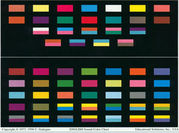


ここは、日本語の初級に必要な語彙と構文を使って、みのまわりのことを説明する短い文を1000文集めるトピックです。
サイレントウェイの教材では、各言語にこの1000文というのがあります。英語ではa thousand sentences スペイン語ではlas mil frases ・・・・そのままやな。フランス語はわかりませんけど、やはり同じものがあります。(写真参照)
これは初級60時間のクラスを終えた学び手が習得した構文を使って前後の文から意味を把握し、語彙を増やすことが出来るように考えられた文のコレクションなのです!
幸いにも日本語の1000文はまだないのです!
戯れに、よさそうな文が思い浮かんだらここに集めてみましょう。
ところで、、、
日本語教師として経験の少ないつん侍、1000文を作るにあたり、簡単なルールがあったほうがいいかとおもうんだけど、明確でないのです。
どなたかいいアイデアありますか?
助けてヘルプミー!
|
|
|
|
コメント(23)
ずいぶん前に日本語の1000文を作ってみたいと思ったとき
英語やフランス語の1000文のとらわれなくていいのでは
ないかと思ったのですが、今はちょっととらわれてみたい。
ルールと言えるかどうかわからないけど
小タイトルと、その中の最初の1文を合わせてみるのは
どうでしょう。
My house
I live in a house.
Ma maison
J'habite une maison.
日本語では、
私の家
私は家に住んでいます。(住んでいる?)
から始まるわけですが………
明日か、週末に、小タイトル全部と最初の文を
書いてみます。
みてもいいけど、著作権はだいじょうぶ?
英語やフランス語の1000文のとらわれなくていいのでは
ないかと思ったのですが、今はちょっととらわれてみたい。
ルールと言えるかどうかわからないけど
小タイトルと、その中の最初の1文を合わせてみるのは
どうでしょう。
My house
I live in a house.
Ma maison
J'habite une maison.
日本語では、
私の家
私は家に住んでいます。(住んでいる?)
から始まるわけですが………
明日か、週末に、小タイトル全部と最初の文を
書いてみます。
みてもいいけど、著作権はだいじょうぶ?
まず英語の始めの10文を書いてみました。
それをできるだけ忠実に日本語で書きました。
現実の日本の家(例えば自分の家)の構造と異なりますが、
家の構造を書いていくことを日本語ではどうするのか、
それを考えながら書きました。
内容語以外は、語彙チャートにありますが、7.のmostは、
チャートにある語彙で表せず、省きました。
My house
1. I live in a house.
2. There are six rooms in my house.
3. The dining room is one of them.
4. Three of the others are bedrooms.
5. There is a living room and a kitchen.
6. There is also a bathroom.
7. We have most of our meals in the dining room.
8. In the morning we have breakfast in the kitchen.
9. We sleep in the bedrooms.
10. In the living room we talk together, listen to musi c, read or watch television.
私の家
1.私は家に住んでいる。
2.私の家には部屋が六つある。
3.その一つは食堂である。
4.ほかの三つは寝室である。
5.ほかは居間と台所である。
6.ほかに浴室もある。
7.食事は食堂でする。
8.朝食は台所で食べる。
9.寝室で寝る。
10.居間で話したり、音楽を聞いたり、テレビを見たりする。
日本語を書きながら気づいたこと。
・浴室、台所を部屋に数えることに抵抗がある
・家→部屋→個別の部屋 とトピックを移動して書くために
工夫するのは楽しかった。
・「である」を使うか「がある」を使うか迷いがあった。
・「その」「ほか」を使ってみたが、家の構造が正確に
伝わるか不安な気持ちがある。
とまあ、こんな感じでやってみて、議論するのは、ルールと
して、まじめすぎるかなあ。
ありのままの身の回りの世界を書いていく…のと
二本立てでやってみるのはどうでしょう。
おはようございます。
しなもんさんありがとうございました〜!
第一段階としてシンプルに訳してくださったのですね。
日本語文を読んだところで、気がついたこと書きます。
1)文化の違いでの不自然さ?かなーと思ったこと
・台所と食堂という言葉。家には食堂はないようにおもえる・・・食堂はなんとなく公の場所のようにもおもえる。
台所にダイニングキッチンの意味はないのかな?と思った
・カタカナ語をどれだけ使うか、或いは使わないか。
キッチンと通常使うが、日本語として台所(や食堂????コレまだ疑問)は知っておいたほうがいいようにおもう。
・寝室が三つというのがとっても抵抗がある
(うちだけが狭いのか!?)
2)でも、それなら日本ではありのままの事実でいうと、どんな分になるんだろう?????
・食事はどこでたべているのかな。
居間かダイニングキッチンか台所かな?
・伝統的な日本の部屋は布団だから今になったりダイニングになったり、寝室になったりするのだが・・・
3)初歩的な質問です。
>・「である」を使うか「がある」を使うか迷いがあった。
・「です」はなしですか?ここら辺がよくわかっていない自分です。「ある」の文の練習だからなのでしょうか。。
>・「その」「ほか」を使ってみたが、家の構造が正確に
> 伝わるか不安な気持ちがある。
・「そのうちのひとつ」「そのほか」といいたくなりました。
4)身の回りのありのままの〜というのは、この10文だったら家について英語の原文なくという意味ですか?
トライしてみます。
おはようございます。
サナギがいつ蝶になるのか、心配で落ち着かない午前です。
じつは、つん侍さんの1)と2)の疑問、ぜ〜んぶ共有できます。
10年くらい考えてるけど、答えが出なくて、先に進めませんでした。
>第一段階としてシンプルに訳してくださったのですね。
まずはミニマリストに徹してみました。
自然な文じゃないと思うのですが、「その」とか「しか」が
どこまでお仕事ができるのか試してみたかったんです。
>>・「である」を使うか「がある」を使うか迷いがあった。
> ・「です」はなしですか?ここら辺がよくわかっていない
>>自分です。「ある」の文の練習だからなのでしょうか。
「である」「だ」「です」または「ある」「あります」
なんかは「現代日本語」の1000文ではどう扱うのか、
これも課題だと思いました。
>>・「その」「ほか」を使ってみたが、家の構造が正確に
>> 伝わるか不安な気持ちがある。
>・「そのうちのひとつ」「そのほか」といいたくなりまし
>た。
「その中のひとつ」「のこりは」など、いろいろ可能性がありますよね。
どれがいいのかなあ。
>4)身の回りのありのままの〜というのは、この10文だっ
>たら家について英語の原文なくという意味ですか?
じつは、チロっと事実を書いてみたんです。
1.私は2世帯住宅の2階に住んでいる。
2.居間と台所と寝室と書斎とバスルームがある。
3.居間と台所はつながっている。
4.食事は居間のダイニングテーブルでする。
英語の1000文もフランス語の1000文も、家のパーツの構成を
きっちり説明しているように感じたんですが、
これは、パーツを並べてるだけだと思ってしまいました。
それに「典型的な家」って何でしょうね。
う〜ん。やっぱりチャレンジングですね。
でも楽しい!!!!!
作家、つん侍の屋敷描写に期待しとります。
どうもどうも。
私も家に住んでいますよりは、一戸建ての家に、とかマンションにとか、アパートに、とか言いたくなりますね・・・。
私なら、
1)私はマンションの二階に住んでいます。
2)寝室と居間とダイニングキッチンとそのほかに一つ部屋があります。
3)ダイニングキッチンは台所と食事をするテーブルのある部屋です。
4)寝室は夜寝る部屋ですが、昼間は居間にもなります。
5)お客さんは居間で迎えることがあります。
などですか・・・・????
文法的にいろんな要素が出てきてしまいますね。
日本の家は目的に応じて変容するとタヌキが言ってます。
わたしもそうかなーと思います。
しなもんさんが言うように、典型的な家ってなんなのか、テレビ見たりしながらしばらく観察してみます。
ところで、わー!発見!
スペイン語の千文を見てみたら、英語と結構違いがありました。
直訳すると「部屋(とともにある)家」
1)家に住んでいる
2)私の家は6部屋あります(haveを使ってます)
3)それらの内ひとつはコメドール(食堂)です
4)その他はドルミトリオです。
5)厳密に言うと、ドルミトリオは三つの寝るための部屋です
6)そして、客間と居間があります。
7)トイレは部屋の数に入りません。
8)お風呂とトイレは離れた部屋に一緒にあります。
9)食堂で私たちは毎日食事をします
10)寝室で寝ます
11)時々そこで、シエスタをとります
12)客間、またはサロンで、来客を受け入れます
13)居間で新聞を読みながら、ラジオを聴きながら、テレビを見ながら数時間を過ごします
14)お風呂には、浴槽とシャワー、そして水とお湯の水道のついた洗面台があります。
***これで次のコメドール(食堂)の話になります
英語版が、1974年
スペイン語版は、1965年の印刷のようです。
10年違いますね・・・タイトルもスペイン語は「ガテーニョによる1000文の本」となっています。
よおし!フランス語行くぞ。
1967年版です。
1.J'habite une maison.
2.Dans ma maison on compte quatre 《pieces principales》.
3.L'une d'elle est la salle a manger.
4.Une autre est une chambre a coucher.
5.En realite, il y a deux chambres a coucher.
6.Il y a aussi un salon et une cuisine.
7.Les pieces de service ne sont pas comptees dans les pieces principales. La cuisine, l'office, etc., sont des pieces de service.
8.La salle de bains est separee des W.C.
9.Dans la salle a manger nous prenons nos repas.
10.Nous dormons dans les cambres a coucher.
以下、直訳っていうやつです。
我がフランス語は、ほぼ純正GA産ですが、
まだ1000文に進んでよいというお免状はないので
あやしげです。(どなたかお助けください!)
1.私は1軒の家に住んでいる。
2.私の家に、主要な部屋を4つ数える(ことができる)
3.それらの部屋のうちの1つは、食堂(食べるためのサロン)である。
4.そのほかのうちの1つは、寝室(寝るための個室)である。
5.実際のところ、寝室は二つある。
6.加えて、サロンが一つと、台所が一つある。
7.サービス(業務用)の部屋は主要な部屋として数えない。台所やオフィスはサービスの部屋である。
8.浴室はトイレと分かれている。
9.私たちは食堂で食事をする。
10.私たちは寝室で寝る。
英語よりスペイン語と似てて、もっと理屈っぽい感じ。
「数える」という動詞を使っています。
こうして比べてみると、作りやすいところか固めるのも
手かもしれない。
・浴室とトイレは分かれている。
我が家は分かれていないが、分かれている方が「普通」
ですよね。
・私たちは、居間か台所で食事をする。
フランス語のように、浴室や台所は「部屋」と呼びたくないが
サービスに当たる日本語は何なのでしょう。
それから、タヌキさんのおっしゃるように、
かつては目的に応じて変容したのですが、
「畳の部屋」がある家は既に少ない……。
うわあ、止まらないな。これ。どうしよう。
そうですね。
********
・浴室とトイレは分かれている。
我が家は分かれていないが、分かれている方が「普通」
ですよね。
********
そう思います。
********
・私たちは、居間か台所で食事をする。
********
「か」か「や」か?でなやむとこですね。
********
フランス語のように、浴室や台所は「部屋」と呼びたくないが
サービスに当たる日本語は何なのでしょう。
********
サービスってservicioですかね?
スペイン語ではトイレなんですよー。フランス語ももしかして?
ところで、和室と洋間も紹介したいですよね。
寝室は和室、家によっては、洋間です。
和室の時、布団を敷く(これは先の方の文かな?)
和室は畳のある部屋である。(これも)
洋間はフローリングの床、またはその上に絨毯を敷いた部屋。
(これもですね)
ウーンやっぱりまとまりなく・・・・
********
・浴室とトイレは分かれている。
我が家は分かれていないが、分かれている方が「普通」
ですよね。
********
そう思います。
********
・私たちは、居間か台所で食事をする。
********
「か」か「や」か?でなやむとこですね。
********
フランス語のように、浴室や台所は「部屋」と呼びたくないが
サービスに当たる日本語は何なのでしょう。
********
サービスってservicioですかね?
スペイン語ではトイレなんですよー。フランス語ももしかして?
ところで、和室と洋間も紹介したいですよね。
寝室は和室、家によっては、洋間です。
和室の時、布団を敷く(これは先の方の文かな?)
和室は畳のある部屋である。(これも)
洋間はフローリングの床、またはその上に絨毯を敷いた部屋。
(これもですね)
ウーンやっぱりまとまりなく・・・・
しなもんさんとつん侍さんのやりとりを面白く拝見させてもらっていました。
で、私なりの感想なんですが、
日本語に訳された文は、まったく文法的におかしくないのに、なんだかとても違和感を感じました。
「私の家には部屋が6つあります」って文、「いつ、使うんだろう」って。
で、どこに違和感を持つんだろうって、ずっと考えていたんです。それで、違和感の原因が見えてきました。
もしかしたら、とんちんかんなコメントになってしまうけど、ちょっと許してください。
ある本に、「西洋言語では、対象物とそのカテゴリー分類を重視し、日本語などの東アジアの言語は関係性を重視する言語である」って書いてあったんです。
つまり、基本的に、西洋言語は「名詞」文、日本語などは「動詞」文だって。
それだけだと、ただ「ふ〜ん」で終わってしまうんですけど、
その本に発達心理学者による日本人とアメリカ人の「母親と赤ちゃん」の会話の実験が載ってたんです。
対象は、生後6ヶ月、12ヶ月、19ヶ月の赤ちゃんとその母親。で、研究者が用意したおもちゃを使って母親にいつものように遊んでもらいました。
そうしたら、日本人の母親とアメリカ人の母親の振る舞いに大きな違いが見られたそうです。
1.対象物の名前を言う頻度はアメリカ人のほうが2倍多かった。
例「これはクルマ、クルマをみてごらん。これ好きかな? かっこいい車輪がついてるね」
2.礼儀や社会的な約束(共感やあいさつなど)を教える頻度は日本人のほうが2倍多かった。
例「ほら、ブーブーよ。はい、どうぞ。今度はお母さんにどうぞして。はい、ありがとう」
この結果から、研究者は、「アメリカの子供は、世界が名詞で成り立っていることを学び、日本の子供は世界が関係で満ちていることを学ぶ」って結論づけました。
この実験結果をもとに、英語やフランス語からの訳文を見ると、まさに個々の名詞からなりたっているな。日本語らしくないなと改めて思えてきました。
私だったら、同じ名詞文でも、その名詞の間の関係性を重視した文を書くかな...。
私はマンションの3階に住んでいます。
私の部屋は、エレベーターを降りて突き当りにあります。
玄関のドアを開けるとすぐ左に寝室があります。
玄関の右は洗面所です。洗面所の奥に風呂場があります。
寝室と洗面所の間に廊下があります。その廊下を進むと、一番奥にダイニングキッチンと和室があります。
どちらの部屋にも大きい窓があって、窓から多摩川が見えます。
私は、まだ、サイレントの1000文がどういう目的で作られたのか頭では理解したつもりでも、まだ見に沁みては全くわかっていないので、...。
何度もいうようですが、コメントがトンチンカンだったら、許してください。
Junjunさん
おもしろいコメントありがとうございました!
ことばは、事実・真実と結びつくことで意味をもち、
意味が伝わります。教室では、ロッズとチャートで示せる
事実・真実があって、次に絵で示せることがあって、
その次に1000文が示せることがあるのだと理解しています。
関係性のことも含めて、日本語が事実・真実をどのように
表現する言語なのか、よおく「観察」しなきゃ、ですね。
「いつ使うんだろう」
SWでよく言われる「?」ですけど、
自分ではこの「?」に対する答えをはっきり持っていつ
つもりですけど、うまく説明できません。
1000文を読み進んでいくと、内容語だけじゃなくて機能語も
しみるようにわかっていく感じが味わえます。
「しみる」のは、ことばで表された事実・真実がはっきりと
理解できて、しかも、ことばの量が少しずつ広がっていく
からなんです。
これがやりたいんだな〜〜!日本語でも。
Junjunさん
ほんと面白い!そっか〜関係性なんですか〜!
そういわれるとほんとにそうですね。
私も「部屋が六つあります」は違和感ありです。
で、私の疑問は、ふさこ恩師もジャンベアリーもEさんもみんなある意味「不自然」な文を一時的に練習することが必要だと言うのです。
それは、外国語という点で見た場合に、そのように、母国語話者からみたら不自然な「ことば」の使い方をしたほうが、その言葉がよく見られるからだと私は解釈しています。
その時時で、文の自然さより優先される言葉のスピリットがあるのだと思うのですが、私はそこら辺がよくわからないのです。
日本語教師歴が長いと自然とわかるものなでしょうか?
で、不自然さと自然さの兼ね合いを、どんな基準で考えればいいのか?というのがはじめに教師の皆さんに伺いたかった質問なのです。
1000文のなかで、不自然に思える文があってもいい。
でも、自然さにつながっていくようにしたい。
と、真に釈然としない書き込みですが、そんなことを思いました。もすこしゆっくり考えてみます。
「部屋が六つあります」
この文だけが、ポッと紙に書いてある場合、
そこから誰もが「ちゃんと」わかることは何かっていうのが
大事なんじゃないかと思うのですが…。
そうなってたら、その言葉のスピリットが機能した(?)
ことになると思うのですが…。
それは日本語教師歴が長いと返って観察しにくいかも。
「わかるはず」みたいな思い込みがある。
何が自然かには、個別の場面が大きく影響すると思います。
1000文は、教室という「場」を共有しないから
読む人は、自分にとってのそのトピック(例えば家)を
考えながら読むのでしょうね。
家から始まるのは、1000文のテーマが自分のまわりの
見えやすいところから事実をことばで積み重ねていくから
だと思うのですが…。
うーん。やっぱり堂々めぐりで、昔つまずいたところに
来てしまうのです。
だから、まずは不自然でも使わなくても、どんどん
日本語にしていってみたいです。今は。
不自然さって、大きく別けて二つあるような気がするんです。
場面設定が不自然な場合と...。
構造上不自然な場合と...。
なんて言うのでしょうか。場面設定が不自然な場合(典型的な文は「これはペンです」。「いつ使うんだ」って論争になった)は、多少不自然であっても語学教育では扱わなければならないって言うのは理解できるんですが...
構造上不自然な場合は...どうなんだろう。
この間、生徒さんの作文を、その人から話を聞きながら直していったんですけど、その時、その人は作文で、
「道で困った人を助けて、その人の顔を見てみたら」って内容の後に続く文に、
「それは大きい驚きですよ。とても有名な女優でした」
って「名詞文」で書いてたんです。「それは大きい驚きです」...う〜ん、文法的には間違いない....。でも、日本人なら、「びっくりしました」って「動詞文」で書くだろうなって思って...。生徒さんにも、教えてあげました。
この体験、ここでコメント書くために、ヨーロッパ言語が「名詞文」、日本語が「動詞文」って本で確認した直後だったんで、ドイツ語話者の「名詞的」発想と「動詞文」の典型的な対比を目の当たりにできて、おもしろいな〜。って感じました。
あの〜。ご恩師さまに...そこら辺のところ、お聞きいただけませんでしょうか。
ふさこさんより ご意見いただきました。
軽く書いていただいたので、読み流してくださいとのことです。そこらへんのマナーはこのメンバーなら大丈夫だとおもいますので、転記します。
********
アラード房子です。恩師なんていわれるとビビッてしまいますので、
そこはSWのシキタリを重んじてくださって、「全員生徒」のオキテを
守ってくださるよう、再びお願いします。
みなさまのお考えを読ませていただいて、いろんなことをなつかしく
思い出しています。私たちも同じようなことを数年考え続けて、2、3 の
バージョンをつくりました。そして結局、千文がいかに優れた教材であるか、
その条件を満たすのがいかに難しいかを悟らされたところで、投げ出して
しまったのです。
でも、かなりの時間やエネルギーを投資しただけに、私には千文に対する
強い思い入れが今もあって、こうして破格の教養、才能、経験、etc., etc., を
たくさ〜〜んお持ちの方々が智慧をしぼってこれに取り組んでいらっしゃる
ことを、心より嬉しく思っております。
千文に関する私の知識(いま一緒に英語を勉強している人達は全員、主に
構文の捕らえ方と英語のリズムになれるために、A Thousand Sentences を
使っています。全部読み終えた人もいます。)や日本語版製作に関する少し
ばかりの経験が何かの足しになれば、とても嬉しいです。
何か現存の千文に相当するものを、ぜひ作ってください!
私が考えた千文の目的:
1. 辞書を使わずに単語の領域を広めていくこと。
2. 構文が少しずつ複雑化していくこと。
3. その言語が使われている国の文化を紹介すること。
(現存のものは、ご承知の通り、アメリカ、フランス、スペインが
代表として紹介されています。)
1、2はベテランの皆様におまかせするとして、問題はやはり 3 の
ところでしょうね。
ここで一つ忘れてならないことは、DrG の識字教育への熱意です。
千文は、SWの教材でもありますが、識字教育(Words in Color) の教材
でもあるのです。つまり、外国語を60時間以上SWで学んだ人(基礎はきれいに
出来ているけれど、これからその上にどんどん積み立てていくことが必要な人)
と、Words in Color の初歩のコースを終了した人(環境の言語は自由に話せるが
高尚= elegant な表現、構文、語いがいまだ備わっていない人)のいずれにも使う
ための教材なのです。そして、DrGには、外国語教育より識字教育のほうが
はるかに大切だったのではないかと私は思います。
識字に関しては、日本は多くの英語圏、仏語圏、西語圏の国々とは全くといって
いいほど異なった環境ですから、この意味からも他国語のものと目的を共有する
こと自体に無理があるはずではないでしょうか。
振り返って見て、私たちが先に進めなかった原因の主たるものが、ここにあった
のではないかと思うのです。それで、私たちが結局考えたことは、現存の千文の
どれとも全く別のものをつくらないとこの3つの条件は満たされないということです。
もう一つ、文化の面からみても、建築、住まい、日常生活の歴史的な推移は
やはり日本の場合、他の3国とはかなり違っていると思います。みなさんも考えて
いらっしゃるように、どの日本を紹介するか。どの時代の日本の家を紹介するか。
「代表的」なものというのをどう解釈するか、などなど決めてかからないといけない
事柄がいくつかありますね。
まだお伝えしたいことがたくさんありますが、出かけないといけない時間に
なったので、続きはまた後で書きます。読み直してもいないので、あまり
真剣に考えないで、先ずは読み流してくださるようお願いします。
ふさこさんより次のメールがきました。
*********
最初の version は英語の A Thousand Sentences をそのまま
日本語に翻訳したものです。
次に、自然な日本語にかえたり、現在の日本に合うものにかえて
いく作業をしました。そこで、もうつまづいてしまいましたが、ひとまず
いろんな version を作ってみたりしながら先に進みましたが、教育、政治、
経済、公共の施設などになると、少なくとも近年の実情を示す統計などの
資料が必要で、その research をしなければならないことに気がつき、
時間的にもそんな余裕はとてもないし、そこでも意気をくじかれてしまいました。
やはりアルバイトでもやとって手分けしてするような作業なのかなと思いました。
最初の部分に戻って考えると、どんな日本を紹介するにしても、正しい
情報を提供するには、初歩の学習者に合った単語だけでまかなうことは
不可能になると思いました。たとえば、
・ 私は家に住んでいます。(何パーセントの人が一戸立ちの家に住んでいるか?)
・ 私はアパートに住んでいます。(アパート/マンションの区別は? マンションという
言葉を使った場合、それが英語のマンションとは異なることをどう説明するか?)
その他、みなさんが考えていらっしゃるような問題がいっぱいあります。
結局、伝統的な日本の住居の絵を見ながらいくつかの文を作るのはどうか、という
ような意見もでました。
もう一つは、千文に求められる条件を捨てて、Wall Pictures を使って、一枚につき
100ずつ文をつくることも候補にあがりました。こうすれば、単語や構文を徐々に
複雑化していくのが可能だという利点があります。
こんなことで、結局どれも形になりませんでしたが、最初の1、2の version を記録
したものは手元においていますので、もし役に立つなら見ていただいてもいいのですが、
邪魔になるのではないかという気のほうが強くします。そのまま訳したものは、英語の
勉強のときには結構役に立っています! それくらいのものです。
言語に関することは、いただいたみなさんのご意見のところに書き込むことにします。
つん侍さま、参加登録ありがとうございました。
このトピック、とてもおもしろそうなので、参加させてください。
1964年に私の生家は
?平屋一戸建ての持ち家でした。
?玄関は引き戸になっています。
?引き戸を開けると、三畳ほどの土間があります。
?ここで、靴を脱ぎます。
?障子を開けると、畳の部屋が四つと板の間が三つあります。
?畳の部屋は襖で仕切られています。
?南向きの12畳の部屋は日当たりがいいので、
仏壇がおかれて、客間に使われていました。
?北向きの畳の部屋は、夜になると寝室に変わります。
?押入れから布団を出して敷きます。
?布団は、敷布団と掛け布団で一組になっています。
?布団には、シーツをかけて、固い枕で寝ます。
?仕切りの襖をはずすと、30畳ほどの和室になります。
?葬式や法事など、人が集まる時には襖を外して使います。
?板の間は、子供部屋と応接間、そして台所兼食事室として使われています。
?台所には炊事場と大きな食卓があります。
?食卓はとても大きいので、子供たちはここで宿題もします。
?お風呂はタイルでできた風呂桶があり、夜間電力を利用した給湯式ですが、子供の頃は薪で沸かしていました。
?トイレは、男女べつべつになっていて、汲み取り式を和式の水洗に改装したものです。
?家の外には、庭と言うより、広い畑があります。
?畑では野菜やお茶を栽培しています。
一方、1982年頃は、
?3DKの社宅に住んでいます。
?四階建ての集合住宅です。
?ドアを開けると小さな玄関があります。
?和室が二つ、洋間が一つあります。
?和室は襖で仕切られるので、夜は奥の和室に寝ています。
DKというのは、ダイニングキッチンのことで、
? 炊事場と四人がけのダイニングテーブルが置いてあります。
?それから、お風呂とトイレがついています。
?トイレは和式ですが、水洗です。
?お風呂には小さなホーロー製のユニットバスがありますが、シャワーはついていません。ガス給湯式で、追い炊きもできます。
?洋間にはテレビと応接セットが置いてありますが、昼間は子供の遊び場です。
2006年の我が家は
?二階建ての庭付き一戸建て、4LDKの持ち家です。
?一階に洋間が三つ、和室が一つと台所付きリビングダイニングがあります。
?洋間はフローリングで、それぞれ子供部屋、夫婦の寝室、書斎に使われ、ベットで寝ています。
?和室は床の間付きの客間ですが、ふだんはものおき部屋です。
?台所はカウンターキッチンスタイルで、リビングルームとしても使われ、丸テーブル、ソファ、大画面のデジタルハイビジョン、システムコンポなどが置かれています。
?地震に備えて、食器棚や書棚は備え付けになっています。
?丸テーブルは、食事の時以外は、主婦の書斎になります。
?トイレは各階に一つずつあり、洋式のシャワートイレです。
?バスタイムは何より大切なので、風呂桶は檜で、壁は御影石でできています。もちろんシャワーもあります。
?階段の下は、スペースを有効利用するために、クローゼットになっています。
書いているととまらなくなりますが、改めて日本の家は進化してきたんだなぁと思います。現在は比較的標準的20世紀の家に住んで文明のありがたみを享受していますが、実家は戦争でも焼けなかったので、地の神さま、水神さま、火神さままでが鎮座している上に、防空壕まで残っているという、世界遺産的すぐれもの?です。これにさらに婚家(スープの冷めないところにありますが)の様式が加わるとものすごいです。
そして、私って古い時代の人間だったのね。
−りえこ−
- mixiユーザー
- ログインしてコメントしよう!
|
|
|
|
サイレントウェイとガテーニョ 更新情報
-
最新のアンケート
-
まだ何もありません
-
サイレントウェイとガテーニョのメンバーはこんなコミュニティにも参加しています

人気コミュニティランキング

- 1位
- 30代〜40代から友達作り【友活】
- 35822人
- 2位
- 40歳以上のおじさん&おばさん
- 14755人
- 3位
- マイミク募集💖50代60代70代
- 2394人