
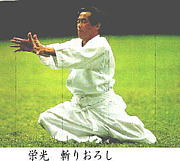


新体道は、ある一貫された思想に基づいて成り立っています。
それを、【天真思想】と言います。
この思想ですが、非常に深い、そして数多い、創始者青木宏之の宗教体験や思索から生まれたものです。いわゆる聖典やかっちりした体系のようなものは有りませんが、きちんと存在しています。宗教、武道、芸術の純粋な部分のみを取り出したと言っても過分では有りません。
当然ながら、教団? の様なものは無いし、新体道をやるからと言って改宗しろ!なんてことも有りません。まず天真思想がその他の宗教の教義等に抵触することはないでしょう。
ただそのためか理解が難しいと言う側面もあります。
新体道では、その理解を深めるために、古典を読むことを推奨しています。
古典は古典であるが故に解釈が難しい側面もあります。また私の理解する範囲で解説等をしても、誤解が生じますので、原文(可能な限り)と現代訳、参考文献等を引用するにとどめたいと思います。
なお、老荘思想に関する討議の場ではありませんので、コメントなどはお控えください。また老荘思想について詳しく学ぶ場合は、当該のサイト、コミュニティーをお訪ねください。
老子道徳経は道経と徳経 八十一 からなります。
道経
體道第一 、養身第二、 安民第三、無源第四、虚用第五 、成象第六 、 韜光第七、易性第八、運夷第九、能爲第十、 無用第十一 、檢欲第十二、猒恥第十三、 賛玄第十四 、 顯徳第十五、 歸根第十六、猒淳風第十七、俗薄第十八、還淳第十九、異俗第二十、虚心第二十一、益謙第二十二、虚無第二十三 、苦恩第二十四、象元第二十五、重徳第二十六、巧用第二十七、反朴第二十八、無爲第二十九 、儉武第三十 、偃武第三十一、聖徳第三十二、辯徳第三十三、任成第三十四、仁徳第三十五、微明第三十六、 爲政第三十七、
徳経
論徳第三十八 、法本第三十九、 去用第四十、 同異第四十一、道化第四十二、偏用第四十三、立戒第四十四 、洪徳第四十五、儉欲第四十六、鑒遠第四十七、忘知第四十八、任徳第四十九、貴生第五十 、養徳第五十一、歸元第五十二 、 益證第五十三、修觀第五十四、玄符第五十五、 玄徳第五十六、淳風第五十七、 順化第五十八 、 守道第五十九 、居位第六十、謙徳第六十一、爲道第六十二 、恩始第六十三 、守微第六十四、淳徳第六十五 、 後己第六十六 、三寳第六十七 、配天第六十八、玄用第六十九、知難第七十、知病第七十一、愛己第七十二、任爲第七十三、制惑第七十四 、貪損第七十五、戒強第七十六、天道第七十七、任信第七十八、任契第七十九 、獨立第八十、 顯質第八十一 、
|
|
|
|
コメント(28)
體道第一
道可道非常道。名可名非常名。
無名天地之始。有名萬物之母。
故常無欲以觀其妙。常有欲以觀其徼。
此兩者。同出而異名。同謂之玄。玄之又玄。
衆妙之門。
(読み下し文)
道の道とすべきは常の道に非ず。名の名とすべくは常の名に非ず。
名無きは天地の始め、名有るは万有の母。
故に常無を以ってその妙を見んと欲し、常有を以ってその徼(きょう)を観んと欲す。
此の両者は、同じきに出でて而も名を異にす。
同じきこれを玄と謂い、玄のまた玄は衆妙の門なり。
(だいたいの意味)
語りうる「道(タオ)」は「道(タオ)」そのものではない、名づけうる名は名そのものではない。名づけえないものが天地の始まりであり、名づけうるものは万物の母である。
だから、意図をもたない者が「道(タオ)」に驚き、意図ある者はそのあらわれた結果しか見れない。
この二つは同じものである。
これらがあらわれて以来、名を異にする。
この同じものは神秘と呼ばれ、神秘から神秘へとあらゆる驚きの入口となる。
<英訳>
http://www.chinapage.com/gnl.html
1. The Way
The Way that can be experienced is not true;
The world that can be constructed is not true.
The Way manifests all that happens and may happen;
The world represents all that exists and may exist.
To experience without intention is to sense the world;
To experience with intention is to anticipate the world.
These two experiences are indistinguishable;
Their construction differs but their effect is the same.
Beyond the gate of experience flows the Way,
Which is ever greater and more subtle than the world.
<英訳/参考>
http://www.chonmage-eigojuku.com/magetan/roushi01.html
"A way" you can call it way is not the great everlasting way. "A name" you can call it name is not the true unchangeable name.
There was no name when the world was created.
After all things were created, they were named.
So if you are disinterested, you could see profound forms of all things.
If you are greedy, you can see only surface of them. The source of both of them is the same one. I named it "deep mystery".
And the further source of the mystery is producing all phenomena and things of the world.
養身第二
天下皆知美之爲美。斯惡已。皆知善之爲善。斯不善已。
故有無相生。難易相成。長短相較。高下相傾。音聲相和。前後相隨。
是以聖人。處無爲之事。行不言之教。
萬物作焉而不辭。生而不有。爲而不恃。功成而不居。
夫唯不居。是以不去。
(読み下し文)
天下みな美の美たるを知るも、斯れ悪のみ。みな善の善を知るも、斯れ不善のみ。
故(まこと)に有と無と相い生じ、難と易と相成り、長と短と相い形(あら)われ、高と下と相い傾き、音と声と相い和し、前と後と相い随う。
是を以って聖人は、無為の事に処り、不言の教えを行なう。
万物焉(ここ)に作(おこ)るも、而も辞(ことば)せず、為すも而も恃まず。功成る而も居らず。夫れ唯だ居らず、是を以って去らず
(だいたいの意味)
美があまねく美として認められると、そこに醜さがでてくる。
善があまねく善として認められると、そこに不善がでてくる。
だから、有と無はたがいに生まれ、難と易はたがいに補いあい、長と短はたがいにそれぞれの位置をしめ、高と低はたがいに矛盾し、声と音はたがいに調和しあい、前と後はたがいに順序をもつ。
だから、賢者は干渉しないでものごとを扱い、言葉のない教えをする。
万物は間断なく盛大である。
成長していっても、誰れもそれを所有しない。
仕事が成しとげられても、それに頼るものはいない。
達成されても、名声を求めるものはいない。
名声を求めないから、成功はつねにそこにある。
<英訳>
http://www.chinapage.com/gnl.html
2. Abstraction
When beauty is abstracted
Then ugliness has been implied;
When good is abstracted
Then evil has been implied.
So alive and dead are abstracted from nature,
Difficult and easy abstracted from progress,
Long and short abstracted from contrast,
High and low abstracted from depth,
Song and speech abstracted from melody,
After and before abstracted from sequence.
The sage experiences without abstraction,
And accomplishes without action;
He accepts the ebb and flow of things,
Nurtures them, but does not own them,
And lives, but does not dwell.
<英訳/参考>
http://www.chonmage-eigojuku.com/magetan/roushi01.html
Everyone recognizes the beauty as the beauty.
But this is an ugly thing.
Everyone recognizes the good as the good.
But this is a bad thing.
Because being and not being, difficult and easy, long and short, high and low, these are relative concepts.
Sounds and voices harmonize each other.
The front and the back exist each other.
So the saint who knows "the way" does not distinguish them and practices teachings that cannot be told.
He does not explain all things of the world, does not possess things that he made, does not rely on things that he achieved, and does not stay in his success.
All of them follow him because he is never attached to them.
安民第三
不尚賢、使民不爭。不貴難得之貨、使民不爲盜。不見可欲、使心不亂。
是以聖人之治、虚其心、實其腹、弱其志、強其骨。常使民無知無欲、使夫知者不敢爲也。
爲無爲、則無不治。
(読み下し文)
賢を尚(たっと)ばざれば、民をして争わざしむ。得難きの貨を貴ばざれば、民をして盗みを為さざしむ。欲すべきを見(しめ)さざれば、民の心をして乱れざらしむ。
是(ここ)を以って聖人の治は、其の心を虚しくして、其の腹を実(み)たし、其の志(のぞみ)を弱くして、其の骨を強くす。常に民をして無知無欲ならしめ、夫(そ)の知者をして敢えて為さざらしむ。
無為を為せば、則ち治まらざる無し。
(だいたいの意味)
賢者を尊重する者がいなければ、人は競争をしないだろう。
貴重なるものに価値をおくことをやめれば、人は不法の利益をもつことはないだろう。
欲望を刺激するものを見る者がなければ、心は混乱しないだろう。
だから、賢者は人々の心をくつろがせ、腹をしっかり固めさせ、志を弱めてやり、身体と強くさせて人々を導く。
彼は人々を知識も欲望もない状態にする。
これは、知識をもつ賢者はあえて行動しないということを意味する。
彼の無為によって、教養をもたない者がいないわけではない。
<英訳>
http://www.chinapage.com/gnl.html
3. Without Action
Not praising the worthy prevents contention,
Not esteeming the valuable prevents theft,
Not displaying the beautiful prevents desire.
In this manner the sage governs people:
Emptying their minds,
Filling their bellies,
Weakening their ambitions,
And strengthening their bones.
If people lack knowledge and desire
Then they can not act;
If no action is taken
Harmony remains.
<英訳/参考>
http://www.chonmage-eigojuku.com/magetan/roushi01.html
f a leader did not respect an able person, people would not compete one another.
If a leader did not value treasures, people would not steal them.
If a leader did not give information that stimulate people's desire, they would stay calm.
So the saint who knows "the way" makes people be ignorant, then makes their stomach full.
He weakens people's desire, then strengthens their body.
He makes people be ignorant and disinterested, then they will not be tempted by crafty people.
If a ruler never does what is unnecessary, his country will be at peace without fail.
無源第四
道冲、而用之或不盈。淵兮似萬物之宗。挫其鋭、解其紛、和其光、同其塵。
湛兮似或存。
吾不知誰之子、象帝之先。
(読み下し文)
道は冲(むな)しきも、これを用うれば或(ま)た盈(み)たず。淵として万物の宗(そう)たるに似たり。その鋭を挫き、その粉を解き、その光を和し、その塵に同じくす。
湛(たん)として存する或(あ)るに似たり。
吾れ、誰の子なるかを知らず、帝の先に象(に)たり。
(だいたいの意味)
「道」は無によってはたらき、満ちあふれたものではない。
それは深いところで、すべてのもとになるものである。鋭さをにぶらせ、もつれを解きほぐし、光を和げ、地球を一つにしながら、それは残っている。
誰れが創ったかわからないが、神以前にそれがあったのは本当らしい。
<英訳>
http://www.chinapage.com/gnl.html
4. Limitless
The Way is a limitless vessel;
Used by the self, it is not filled by the world;
It cannot be cut, knotted, dimmed or stilled;
Its depths are hidden, ubiquitous and eternal;
I don't know where it comes from;
It comes before nature.
<英訳/参考>
http://www.chonmage-eigojuku.com/magetan/roushi01.html
"The way" is like an empty vessel.
But you can never fill it up.
Its depth is the depth of the Creator. It dulls edges, disentangles threads, softens the light and assimilates into dust.
It calmly exists like water.
I do not know who/what created it.
But it might be an ancestor of the emperor of heaven.
虚用第五
天地不仁、以萬物爲芻狗。聖人不仁、以百姓爲芻狗。
天地之間、其猶槖籥乎。虚而不屈、動而愈出。
多言數窮、不如守中。
(読み下し文)
天地は不仁、万物を以って芻狗(すうく)と為す。聖人は不仁、百姓をもって芻狗となす。
天と地の間は、其れ猶(な)お、槖籥’(たくやく)のごときか。虚しくして屈(つ)きず。動きて愈々(いよいよ)出(い)ず。多言はしばしば窮す。中(ちゅう)を守るに如(し)かず。
(だいたいの意味)
天と地に慈善はなく、すべてのものを偏りなく扱う。
賢者にも慈善なく、人々を偏りなく扱う。
宇宙全体はふいごのようにもともと空である。
何もしなければ、何も欠くものはない。
行えば行うほど、出てくるものは多い。
言葉を出せば出すほど使いはたされる。
だから、ものごとを動かす前にそのままとどまっているほうがよい。
<英訳>
http://www.chinapage.com/gnl.html
5. Nature
Nature is not kind;
It treats all things impartially.
The Sage is not kind,
And treats all people impartially.
Nature is like a bellows,
Empty, yet never ceasing its supply.
The more it moves, the more it yields;
So the sage draws upon experience
And cannot be exhausted.
<英訳/参考>
http://www.chonmage-eigojuku.com/magetan/roushi01.html
Mother Nature is not benevolent.
She uses all things once and then throws them away.
The saint who knows "the way" does not express benevolence.
He rules people like he is ignoring them.
The work of Mother Nature is like a bellows.
All things are produced every time she moves, even though she is empty.
If you cannot put your words into practice, do not speak flowery words.
第六章
谷神不死、是謂玄牝。
玄牝之門、是謂天地根。綿綿若存、用之不勤。
(読み下し文)
谷神(こくしん)は死せず、是を玄牝と謂う。
玄牝の門、是を天地の根と謂う。
緜緜として存するがごとく、これを用いて尽きず
(だいたいの意味)
万物を生み出す谷間の神は、とめどなく生み出して死ぬ事は無い。これを玄牝(母性)という。
この玄牝は天地万物を生み出す門である。
その存在はぼんやりとはっきりとしないようでありながら、その働きは尽きる事は無い。
<英訳>
http://www.chinapage.com/gnl.html
6. Experience
Experience is a riverbed,
Its source hidden, forever flowing:
Its entrance, the root of the world,
The Way moves within it:
Draw upon it; it will not run dry.
<英訳/参考>
http://www.chonmage-eigojuku.com/magetan/roushi01.html
Mother Nature is not benevolent.
She uses all things once and then throws them away.
The saint who knows "the way" does not express benevolence.
He rules people like he is ignoring them.
The work of Mother Nature is like a bellows.
All things are produced every time she moves, even though she is empty.
If you cannot put your words into practice, do not speak flowery words.
韜光第七
天長地久。天地所以能長且久者、以其不自生、故能長生。
是以聖人、後其身而身先、外其身而身存。非以其無私耶、故能成其私。
(読み下し文)
天は長く地が久し、天地の能(よ)く長く且(か)つ久しき所以の者は、其の自ら生ぜざるを以て、故に能く長生す。
是(ここ)を以て聖人は、其の身を後にして而も身は先んじ、其の身を外にして而も身は存す。其の無私なるを以てに非ずや、故に能くその私を成す。
(だいたいの意味)
天と地はいつまでも存在している。
それらは存在を存在として考えないからいつまでも続いている。
賢者は背後に身をおきながら、前へすすむ。
彼は自己を忘れて、自分自身を発見する。
人が自己の状態に達するのは無自己によってではないか。
<英訳>
http://www.chinapage.com/gnl.html
7. Complete
Nature is complete because it does not serve itself.
The sage places himself after and finds himself before,
Ignores his desire and finds himself content.
He is complete because he does not serve himself.
<英訳/参考>
http://www.chonmage-eigojuku.com/magetan/roushi01.html
Heaven and earth are eternal, because they never want to be eternal.
So the saint who knows "the way" tries to follow people, but people follow him.
He tries to put him outside of people, but people put him at the center of them.
It is because he is disinterested.
He can keep his mind because he is never attached to himself.
易性第八
上善若水。水善利萬物、而不争。處衆人之所悪。故幾於道。
居善地、心善淵、與善仁、言善信、正善治、事善能、動善時。
夫唯不争、故無尤。
(読み下し文)
上善(じょうぜん)は水の若(ごと)し。水は善(よ)く万物を利して而(しか)も争わず。衆人の悪(にく)む所に処(お)る。故に道に幾(ちか)し。
居(きょ)には地を善しとし、心には淵(えん)なるを善しとし、与(まじわり)には仁を善しとし、言には信を善しとし、正には治を善しとし、事には能を善しとし、動には時を善しとす。
夫(そ)れ唯だ争わず、故に尤(とが)め無し。。
(だいたいの意味)
最上の善とは水のようなものである。
水はあらゆるものに利益を与え、争わない。
それは人の嫌う地味な場所でいつも満足している。
このように、水は「道」に近いものである。
我々は住むために、地味な場所を好む。
いろいろな考えのためには、奥深さを好む。
友だちとの交わりには、心やさしさを好む。
言葉には、誠実さを好む。
政治には、良き秩序を好む。
出来事においては、能力を好む。
行動においては、正しい時を好む。
このように、我々は争わないから、まちがうことはない。
<英訳>
http://www.chinapage.com/gnl.html
8. Water
The best of man is like water,
Which benefits all things, and does not contend with them,
Which flows in places that others disdain,
Where it is in harmony with the Way.
So the sage:
Lives within nature,
Thinks within the deep,
Gives within impartiality,
Speaks within trust,
Governs within order,
Crafts within ability,
Acts within opportunity.
He does not contend, and none contend against him.
<英訳/参考>
http://www.chonmage-eigojuku.com/magetan/roushi01.html
The Best Good is like water. Water never competes with others even though it benefits all things. Water always stays at the lowest place. So water resembles "the way". The ground is good for houses. Depth is good for mind. Benevolence is good for friendship.
Faithfulness is good for words. Peace is good for politics. Efficiency is good for projects.
Timing is good for action. If you do not compete with others, you will not commit an error.
運夷第九
持而盈之、不如其已。揣而鋭之、不可長保。金玉滿堂、莫之能守。
富貴而驕、自遺其咎。
功成名遂身退、天之道。
(読み下し文)
持(じ)してこれを盈(み)たすは、その已(や)むにしかず。揣(きた)えてこれを鋭(するど)くすれば、長く保つべからず。
金玉(きんぎょく)堂に満つれば、これをよく守ることなし。富貴にして驕(おご)れば、おのずからその咎(とが)を遺(のこ)す。
功(こう)成り名遂(と)げて身退(しりぞ)くは、天(てん)の道なり。
(だいたいの意味)
なにかを手にもって自慢するなら、それをもたない方がよい。
人がその窮境を主張しても、その状態に長くとどまることはないだろうから。
部屋に貴重品が満ちあふれていても、誰れもそれらをまもりつづけることはできないだろう。
富裕で高い地位にあって自慢すると、不幸を招く。
仕事が完全に成しとげられ、その任務が充分に終われば、自分の地位を去る。
これが「自然」の道である。
<英訳>
http://www.chinapage.com/gnl.html
9. Retire
Fill a cup to its brim and it is easily spilled;
Temper a sword to its hardest and it is easily broken;
Amass the greatest treasure and it is easily stolen;
Claim credit and honour and you easily fall;
Retire once your purpose is achieved - this is natural.
<英訳/参考>
http://www.chonmage-eigojuku.com/magetan/roushi01.html
You should not try to keep a vessel full. The sharper the edge, the sooner it will be nicked.
The more treasure you get, the harder to keep them.
You will suffer disgrace if you are arrogant after winning fortune and fame.
You should retire instantly when you achieved success. This is the way of heaven.
能爲第十
載營魄抱一、能無離乎。
專氣致柔、能嬰兒乎。
滌除玄覽、能無疵乎。
愛民治国、能無爲乎。
天門開闔、能爲雌乎。
明白四達、能無知乎。
生之畜之、生而不有、爲而不恃、長而不宰。
是謂玄徳。
(読み下し文)
営魄を安んじ、一を抱きて、能(よ)く離れること無からんか。
気を専(もっぱ)らにし柔を致して、能く嬰児ならんか。
玄覧(げんらん)を滌除(できじょ)して、能(よ)く疵(し)無からんか。
民を愛し国を治めて、能く以って為すこと無からんか。
天門開闔(かいこう)して、能く雌(し)たらんか。
明白四達して、能く以って知ること無からんか。
これを生じこれを蓄(やしな)い、生ずるも而も有とせず、為すも而も恃まず、長たるも而も宰(さい)たらず。
是を玄徳と謂う。
(だいたいの意味)
魂とはくを一つに統一し、離れないようにできるか。
呼吸を調和集中させ、嬰児のようにすることはできるか。
自分の中の曇った鏡をきれいにし、何もないようにすることはできるか。
人々を愛し、国を統治して、しかも知られずにいることができるか。
無存在の領域に出入りし、行動を自分で起こすことができるか。
明るい照明を知らなくても、あらゆる方面へ及ぼすことはできるか。
それを養い、育てよ。
生み出しても、それを所有するな。
はたらかせても、それに頼るな。
導いても、それを統御するな。
これは神秘の徳と呼ばれる。
<英訳>
http://www.chinapage.com/gnl.html
10. Harmony
Embracing the Way, you become embraced;
Breathing gently, you become newborn;
Clearing your mind, you become clear;
Nurturing your children, you become impartial;
Opening your heart, you become accepted;
Accepting the world, you embrace the Way.
Bearing and nurturing,
Creating but not owning,
Giving without demanding,
This is harmony.
<英訳/参考>
http://www.chonmage-eigojuku.com/magetan/roushi01.html
Can you calm your body and follow "the way", then keep them?
Can you concentrate your mind and soften your body, then become like a baby?
Can you purify the mirror of your heart, then keep it blameless?
Can you keep yourself nameless when you love people and rule a country?
Can you keep yourself like female when all things are produced from the gate of heaven?
Can you do nothing when you know everything clearly?
The saint who knows "the way" does not possess things that he made or raised.
He does not rely on his success. He does not become a dictator even if he becomes a leader.
These are "mysterious virtue" of the saint.
無用第十一
三十輻共一轂。當其無、有車之用。
挺埴以爲器。當其無、有器之用。
鑿戸牖以爲室。當其無、有室之用。
故有之以爲利。無之以爲用。
(読み下し文)
三十の輻(ふく)、一つの轂(こく)を共にす。其の無に当って、車の用あり。
埴(つち)をうちて以って器を為(つく)る。其の無に当って、器の用あり。
戸牖(こゆう)をうがちて室を為る。其の無に当って室の用有り。
故に有の以って利を為すは、無を以って用を為せばなり。
(だいたいの意味)
三十本の輻が車輪の中心に集まる。
その何もない空間から車輪のはたらきが生まれる。
粘土をこねて容器ができる。
その何もない空間から容器のはたらきが生まれる。
ドアや窓は部屋をつくるために作られる。
その何もない空間から部屋のはたらきが生まれる。
これ故に、一つ一つのものとして、これらは有益な材料となる。
何もないものとして作られることによって、それらは有用になるもののもとになる。
<英訳>
http://www.chinapage.com/gnl.html
11. Tools
Thirty spokes meet at a nave;
Because of the hole we may use the wheel.
Clay is moulded into a vessel;
Because of the hollow we may use the cup.
Walls are built around a hearth;
Because of the doors we may use the house.
Thus tools come from what exists,
But use from what does not.
<英訳/参考>
http://www.chonmage-eigojuku.com/magetan/roushi01.html
A wheel has thirty spokes and one hub.
We can use a wheel because a hub has a hole to insert an axle.
We knead clay and make a vessel.
We can use a vessel because it has a space with nothing.
A house has doors and windows.
We can live in a house because it has a space with nothing.
So when we use something, we always benefit by "nothing".
檢欲第十二
五色令人目盲。五音令人耳聾。五味令人口爽。馳騁田獵、令人心發狂。難得之貨。令人行妨。
是以聖人。爲腹不爲目。故去彼取此。
(読み下し文)
五色(ごしき)は人の目をして盲ならしむ。五音(ごいん)は人の耳をして聾ならしむ。五味は人の口をして爽(たが)わしむ。馳騁畋猟は人の心をして狂を発せしむる。得難きの貨は、人の行いを妨げしむ。
是を以って聖人は、腹を為して目を為さず。故に彼を去(す)てて此れを取る。
(だいたいの意味)
おびただしい色は人の目をまどわせ、おびただしい音は人の耳をだめにし、おびただしい味は人の口をそこなう。
狩猟で競い、追跡すれば、人の心を凶暴にする。
めずらしい価値ある品物はその持主の安全をおびやかす。
だから、賢者は腹に集中し、感覚の誘惑には集中しない。
このように、彼はあるもの(内部の力)をとり、他のもの(外部の力)を捨てるのである。
<英訳>
http://www.chinapage.com/gnl.html
12. Substance
Too much colour blinds the eye,
Too much music deafens the ear,
Too much taste dulls the palate,
Too much play maddens the mind,
Too much desire tears the heart.
In this manner the sage cares for people:
He provides for the belly, not for the senses;
He ignores abstraction and holds fast to substance.
<英訳/参考>
http://www.chonmage-eigojuku.com/magetan/roushi01.html
Various colors blind eyes.
Various sounds deafen ears.
Various tastes dull tongue's sensitivity.
Horse riding and hunting drive people crazy.
Precious treasures make people commit errors.
So the saint who knows "the way" does not seek material pleasure except eating his fill.
He gets satisfaction of his heart, not pleasure of senses.
第十三章
寵辱若驚。
貴大患若身。
何謂寵辱若驚。
寵爲上、辱爲下。
得之若驚、失之若驚。
是謂寵辱若驚。
何謂貴大患若身。
吾所以有大患者、爲吾有身。
及吾無身、吾有何患。
故貴以身爲天下、若可寄天下。
愛以身爲天下、若可託天下。
(読み下し文)
寵辱(ちょうじょく)、驚(おどろ)くがごとし。
大患(たいかん)を貴(たっと)ぶこと身のごとし。
何をか寵辱驚くがごとしと謂(い)う。
寵を上となし、辱を下(げ)となす。
これを得ては驚くがごとく、これを失いては驚くがごとし。
これを寵辱驚くがごとしと謂(い)う。
何をか大患を貴ぶこと身のごとしと謂(い)う。
われ大患あるゆえんは、わが身あるがためなり。
わが身なきに及びては、われ何の患(うれい)かあらん。
故に身をもって天下を為(おさ)むるより貴ぶものは、すなわち天下を寄(よ)すべし。
身をもって天下を為(おさ)むるより愛(め)ずるものは、すなわち天下を託(たく)すべくがごとし。
(だいたいの意味)
名誉と恥辱は、人を狂わせてしまい、
我が身のことのように、重大だと思ってしまう。
名誉と恥辱に狂うとは、どういうことか。
名誉を良いものだと考え、恥辱を悪いものだと考える。
これを得れば、自尊心に狂ってしまい、
これを失っても、羞恥心に狂ってしまう。
これを、名誉と恥辱に狂うと言うのである。
我が身の如く患うとは、どういうことか。
自我(自意識・分離意識)が有るから、大いに患うことがあり、
自我(自意識・分離意識)が無いならば、少しも患うことがない。
これを、我が身の如く患うと言うのである。
ということは、こういうことが言える。
自らの如く他を貴ぶ者に、天下を委ねよ。
自らの如く民を愛する者に、天下を任せよ。
<英訳>
http://www.chinapage.com/gnl.html
13. Self
Both praise and blame cause concern,
For they bring people hope and fear.
The object of hope and fear is the self -
For, without self, to whom may fortune and disaster occur?
Therefore,
Who distinguishes himself from the world may be given the world,
But who regards himself as the world may accept the world.
In this manner the sage cares for people:
He provides for the belly, not for the senses;
He ignores abstraction and holds fast to substance.
<英訳/参考>
http://www.chonmage-eigojuku.com/magetan/roushi01.html
People are concerned about honor and dishonor very much.
Because they regard honor as like their own body.
Why are they concerned about honor and dishonor very much?
Because they regard honor as a good thing, and dishonor as a bad thing.
They are happy when they are praised.
They are unhappy when they are blamed.
So people are concerned about honor and dishonor very much.
Why do they regard honor as like their own body?
They can be concerned about their honor because they have their body.
If they lost their body, they cannot be concerned about their honor any longer.
What on earth do they have to be concerned about without their body?
So we should entrust our country to the person who cares his own body first.
賛玄第十四
視之不見、名曰夷。
聽之不聞、名曰希。
摶之不得、名曰微。
此三者。不可致詰、故混而爲一。
其上不☆、其下不昧。繩繩不可名、復歸於無物。是謂無状之状、無物之象。是謂惚恍。
迎之不見其首、隨之不見其後。執古之道。以御今之有。能知古始。是謂道紀。
☆は白へんに激のつくりでキョウ…曇りの無い白、白目
(読み下し文)
これを視(み)れども見えず、名づけて夷(い)と曰(い)う。
これを聴けども聞こえず、名づけて希と曰う。
これを摶(とら)うるも得ず。名づけて微(び)と曰う。
此の三つの者は詰(きつ)を致すべからず。故(もと)より混じて一と為る。
其の上はあきらかならず、是れを無状の状、無物の象(しょう)と謂い、是れを恍惚と謂う。
これを迎うるも其の首(こうべ)を見ず、これに随うともその後(しりえ)を見ず。古(いにしえ)の道を執(と)りて、以って今の有を御(ぎょ)すれば、能(よ)く古始(こし)を知る。是を道紀と謂う。
(だいたいの意味)
しっかりと見ないから、何も見えない。
それは形のないものと呼ばれる。
しっかりと聞かないから、何も聞こえない。
それは音がないものと呼ばれる。
しっかりとつかまないから、何もつかめない。
それは実体のないものと呼ばれる。
これら三つをつきつめることはできず、混ざりあって一つになっている。
上にあっても明るくなく、下にあっても暗くない。
目に見えず、どんな名前でも呼びようがない。
それはまた無にもどって行く。
それは形のない形と呼ばれ、イメージのうかばない形と呼ばれる。
それはつかまえにくいものである。
近づいて行ってもその顔は見えず、ついて行ってもその後ろ姿は見えない。
遠い過去の「道」をつかまえ、現在あるものを制御すると、原始の始まりが理解できる。
これが「道」の本質である。
<英訳>
http://www.chinapage.com/gnl.html
14. Mystery
Looked at but cannot be seen - it is beneath form;
Listened to but cannot be heard - it is beneath sound;
Held but cannot be touched - it is beneath feeling;
These depthless things evade definition,
And blend into a single mystery.
In its rising there is no light,
In its falling there is no darkness,
A continuous thread beyond description,
Lining what can not occur;
Its form formless,
Its image nothing,
Its name silence;
Follow it, it has no back,
Meet it, it has no face.
Attend the present to deal with the past;
Thus you grasp the continuity of the Way,
Which is its essence.
<英訳/参考>
http://www.chonmage-eigojuku.com/magetan/roushi01.html
Things that we cannot see, I call them "the obscure".
Things we cannot hear, I call them "the faint".
Things we cannot catch, I call them "the subtle".
We cannot sense these and these are originally the same one.
The space above it is not bright. The space below it is not dark.
I cannot name it because it is too vague.
It returns to nothingness in the end.
I call it, for convenience' sake, "appearance of no appearance", "form of the formless" or just "the vague".
You cannot see its face even if you meet it. You cannot see its back even if you follow it. If you observe the present time with "the way" from ancient time, you can understand the origin of things. This is the start of "the way".
顯徳第十五
古之善爲士者、微妙玄通、深不可識。
夫唯不可識、故強爲之容。
與兮若冬渉川。
猶兮若畏四隣。
儼兮其若客。
渙兮若冰之將釋。
敦兮其若樸。
曠兮其若谷。
混兮其若濁。
孰能濁以靜之徐清。
孰能安以動之徐生。
保此道者、不欲盈。
夫唯不盈、故能蔽不新成。
(読み下し文)
古(いにしえ)の善(よ)く士たる者は、微妙玄通(げんつう)、深くして識(し)るべからず。
それただ識るべからず、故に強(し)いてこれが容(よう)をなす。
与(よ)として冬川を渉(わた)るがごとし。
猶(ゆう)として四隣(しりん)を畏(おそ)るるがごとし。
儼(げん)としてそれ客のごとし。
渙(かん)として氷(おこり)のまさに釈(と)けんとするがごとし。
敦(とん)としてそれ樸(ぼく)のごとし。
曠(こう)としてそれ谷のごとし。
混(こん)としてそれ濁(にご)れるがごとし。
たれかよく濁りてもってこれを静かにして徐(おもむろ)に清からん。
たれかよく安んじてもってこれを動かして徐に生ぜん。
この道を保つ者は、盈(み)つることを欲せず。
それただ盈たず、故によく敝(やぶ)れて新たに成さず。
(だいたいの意味)
いにしえの「道」にすぐれた人は洗練され、深く啓発されていた。
その深さはほとんど測ることができない。
測れないので、私は彼の姿を描こう。
慎重なること、冬の冷たい流れを渡るかのよう、
落ちついていること、近隣の人の邪魔をしないかのよう、
丁寧なること、訪問するときのよう、
やわらかなること、氷がとけはじめるときのよう、
重厚なること、まだ削られていない塊のよう、
度量のひろさ、渓谷のよう、
底の見えない暗さ、まざりものがあるかのようである。
濁りを静め、澄みきるように誰れができようか。
動かないところから生き生き成長させるところまで、誰れができようか。
「道」を保持していく人はそれが極端にあふれることを望まない。
極端なところに行くことを望まないから、彼は古いものにとどまるし、新しいものにもなることができる。
<英訳>
http://www.chinapage.com/gnl.html
15. Enlightenment
The enlightened possess understanding
So profound they can not be understood.
Because they cannot be understood
I can only describe their appearance:
Cautious as one crossing thin ice,
Undecided as one surrounded by danger,
Modest as one who is a guest,
Unbounded as melting ice,
Genuine as unshaped wood,
Broad as a valley,
Seamless as muddy water.
Who stills the water that the mud may settle,
Who seeks to stop that he may travel on,
Who desires less than may transpire,
Decays, but will not renew.
<英訳/参考>
http://www.chonmage-eigojuku.com/magetan/roushi01.html
A person who mastered "the way" from ancient time knows "deep mystery" well.
And you cannot understand depth of his wisdom.
But I dare to explain it.
He is careful as if he were going across a river in winter, prudent as if he were cautious around him, solemn as if he were an honored guest, obedient as if he were a piece of melting ice, unaffected as if he were a raw wood, tolerant as if he were a valley and vague as if he were muddy water.
Who can keep this water calm and get clear water?
Who can move this water again and produce new lives?
A person who keeps "the way" does not want to be filled.
So his vessel revives over and over again.
第十六章
致虚極、守靜篤。萬物竝作、吾以觀復。
夫物芸芸、各歸其根。歸根曰靜、是謂復命。復命曰常、知常曰明。不知常、妄作凶。
知常容。容乃公、公乃王、王乃天、天乃道。道乃久。沒身不殆。
(読み下し文)
虚を到すこと極まり、静を守ること篤し。万物は並び作(お)こるも、吾は以って復(かえ)るを観る。
夫(そ)れの芸芸たる各々其の根(こん)に復帰す。根に帰るを静と曰い、是を命に復ると謂う。命に複るを常(じょう)と曰い、常を知るを明といい、常を知らざれば、妄作して凶なり。
常を知れば容なり。容は乃(すなわ)ち公なり、公は乃ち王なり、王は乃ち天なり、天は乃ち道なり、道は乃ち久し、身を没(お)うるまで殆(あや)うからず。
(だいたいの意味)
空虚を熟視して、真に静寂を守る。
万物はどれも盛んであるが、私はそれらの無為をみつめる。
ものは絶え間なく動き、休まない。
しかし、それぞれのものは根源にもどってしまう。
根源にもどっていくと静寂になる。
静寂になるということは存在の運命にもどることである。
存在の運命とは実在である。
実存を知ることを開明と呼ぶ。
それを知らないで誤って行えば、災いにであう。
実存はすべてを包みこみ、すべてを包みこめば、自己はなくなる。
自己がないということはすべてが満たされており、
すべてが満たされれば、超越することになる。
超越すれば、「道」に達する。
「道」に達すれば永久に続く。
身体が死んでも、それは終わらない。
<英訳>
http://www.chinapage.com/gnl.html
16. Decay and Renewal
Empty the self completely;
Embrace perfect peace.
The world will rise and move;
Watch it return to rest.
All the flourishing things
Will return to their source.
This return is peaceful;
It is the flow of nature,
An eternal decay and renewal.
Accepting this brings enlightenment,
Ignoring this brings misery.
Who accepts nature's flow becomes all-cherishing;
Being all-cherishing he becomes impartial;
Being impartial he becomes magnanimous;
Being magnanimous he becomes natural;
Being natural he becomes one with the Way;
Being one with the Way he becomes immortal:
Though his body will decay, the Way will not.
<英訳/参考>
http://www.chonmage-eigojuku.com/magetan/roushi01.html
If I empty my mind and stay calm, I can see that all things are produced and they return to the roots.
Everything is produced one after another, then they return to the roots.
Everything returns to silence like this.
This is called "return to the original form".
This is a "law of nature".
To understand the law is called "clear wisdom".
If you don't have this wisdom, you will fall into confusion.
If you have it, you can accept everything.
Accepting everything is fairness.
Fairness is a "virtue of king".
The virtue of king is "Heaven's will".
Heaven's will is "the way".
This way is eternal.
If you keep this way, you will never go astray.
猒淳風第十七
大上下知有之。其次親而譽之。其次畏之。其次侮之。
信不足、焉有不信。
焉兮其貴言、功成事遂、百姓皆謂我自然。
(読み下し文)
大上(だいじょう)は下(しも)これ有るを知るのみ。其の次は親しみてこれを誉(ほ)む。其の次はこれを畏る。其の次はこれを侮る。
信(しん)足らざれば、すなわち信ざらざれる有り。
悠(ゆう)として其れ言を貴(おも)くすれば、功は成り事は遂げられて、百姓は皆我は自然なりと謂わん。
(だいたいの意味)
最上の指導者は誰れも知らない。
その次の指導者は人々に親近感があり、ほめたたえられる。
その次の者は人々に畏れられる。
最下等の指導者は人々に軽蔑される。
指導者が充分に誠実を示さないと、人々の信頼は得られない。
気をつけて、言葉の価値を高めよ。
(そうして良い指導者というのは)仕事が行われ、事業が成しとげられたとき民衆は、「自分たちの力で国が良くなった」と自らを誇れる様にするのだ。
<英訳>
http://www.chinapage.com/gnl.html
The best rulers are scarcely known by their subjects;
The next best are loved and praised;
The next are feared;
The next despised:
They have no faith in their people,
And their people become unfaithful to them.
When the best rulers achieve their purpose
Their subjects claim the achievement as their own.
<英訳/参考>
http://www.chonmage-eigojuku.com/magetan/roushi01.html
The ideal monarch looks idle.
People only know he is their lord.
The next best is praised by people.
The next best is feared by people.
The worst is despised by people.
If a monarch is not reliable, people do not trust him.
If a monarch stays calm and silent, people will cooperate with one another and have pride on their work.
俗薄第十八
大道廢、有仁義。智慧出、有大僞。六親不和、有孝慈。國家昏亂、有貞臣。
(読み下し文)
大道廃(すた)れて仁義あり。智慧出(い)でて大偽(たいぎ)あり。六親和せずして孝慈あり。国家昏乱(こんらん)して貞臣(ていしん)あり。
(だいたいの意味)
大いなる「道」が衰えたとき、慈善と道義の教えが起こった。
人の思考や分別が尊ばれたとき、大きな偽りが始まった。
家族の者たちが不和となったとき、子としての孝行や愛情が必要となった。
国が混乱し暗黒となってから、忠義な臣下を求めることになった。
<英訳>
http://www.chinapage.com/gnl.html
18. Hypocrisy
When the Way is forgotten
Duty and justice appear;
Then knowledge and wisdom are born
Along with hypocrisy.
When harmonious relationships dissolve
Then respect and devotion arise;
When a nation falls to chaos
Then loyalty and patriotism are born.
<英訳/参考>
http://www.chonmage-eigojuku.com/magetan/roushi01.html
There are morals after natural lifestyle along "the way" died out.
There are lies because the shrewd people are praised.
There are affections because family discord with one another.
There are loyal vassals because the country is in disorder.
還淳第十九
絶聖棄智、民利百倍。絶仁棄義、民復孝慈。絶巧棄利、盗賊無有。
此三者、以為文不足。故令有所屬。
見素抱樸。少私寡欲。
(読み下し文)
聖を絶ち智を棄(す)つれば、民の利は百倍せん。仁を絶ち義を棄つれば、民は孝慈に復帰せん。巧を絶ち利を棄つれば、盗賊あること無からん。
此の三者、以って文足らずと為す。故に属(つ)ぐ所あらしめん。
素(そ)を見(あら)わし、樸を抱け。私を少なくし欲を寡(すく)なくせよ。
(だいたいの意味)
識別することをやめ、知識を放棄せよ。
そうすれば、人々は何倍も利益を得るだろう。
慈善をやめ、道義を捨てよ。
そうすれば、人々はたがいにもっと愛しあうだろう。
利口な教えをやめ、利益を捨てよ。
そうすれば、盗みや詐欺はなくなるだろう。
識別と知識、慈善と道義、利口と利益はただ外面的な工夫にすぎない。
そこで、これら以外の何かを求めなければならない。
純真さをあらわし、生まれつきの本性に固執せよ、
自己本位の自己を取りのぞき、強欲を捨て、人による学習を捨てよ、
そうすれば思いわずらうことはなくなるだろう。
<英訳>
http://www.chinapage.com/gnl.html
19. Simplify
If we could abolish knowledge and wisdom
Then people would profit a hundredfold;
If we could abolish duty and justice
Then harmonious relationships would form;
If we could abolish artifice and profit
Then waste and theft would disappear.
Yet such remedies treat only symptoms
And so they are inadequate.
People need personal remedies:
Reveal your naked self and embrace your original nature;
Bind your self-interest and control your ambition;
Forget your habits and simplify your affairs.
<英訳/参考>
http://www.chonmage-eigojuku.com/magetan/roushi01.html
If people give up virtues and wisdom, they will gain a hundred times benefit.
If people give up benevolence and justice, they will regain sincerity.
If people give up technique and convenience, there will be no thief.
I know that these words are too difficult to understand.
So let me give teachings.
Express your bare mind and hold honesty like a raw wood.
Reduce your selfishness and desire.
異俗第二十
絶学無憂。唯之與阿、相去幾何。善之與惡、相去何若。人之所畏、不可不畏。荒兮其未央哉。
衆人熈熈、如享太牢。如春登臺。我獨泊兮其未兆、如嬰兒之未孩。儡儡兮若無所歸。衆人皆有餘、而我獨若遺。我愚人之心也哉、沌沌兮。
俗人昭昭、我獨昏昏。俗人察察、我獨悶々。澹兮其若海、飂兮若無止。衆人皆有以、而我獨頑似鄙。我獨異於人、而貴食母。
(読み下し文)
学を絶てば憂い無し。唯と阿と相い去ること幾何ぞ。美と悪と相去ること何若ぞ。美と悪と相去ること何若(いかん)ぞ。人の畏るる所、畏れざるべかざるも、荒として其れ未だ中(つ)きざるかな。
衆人は煕煕として太牢(たいろう)を享(う)るが如く、春に台(うてな)に登るが如し。我は独り泊(はく)として其れ未だ兆(きざ)さず。嬰児の未だ孩(わら)わざるが如し。累々として帰する所なきが若(ごと)し。衆人は皆余り有るに、而(しか)るに我は独り遺(うしな)えるが若(ごと)し。我は愚人の心なるかな、沌沌たり。
俗人は昭昭たり、我は独り昏昏たり。俗人は察察たり、我は悶悶たり。澹(たん)として其れ海の若く、飂(りゅう)として止まるなきが若し。衆人は皆以(もち)うる有り、而るに我は独り頑にして鄙(ひ)に似たり。我は独り人に異なり、而して母に食(やしな)わるるを貴ぶ。
(だいたいの意味)
学ぶことをやめれば、憂いがなくなる。
敬意を表して「はい」というのと、非礼な「ああ」ということにどれほどの違いがあろう。
善と悪にどれほど違いがあろうか。
他人が恐れるところで、私もまた恐れなければならないだろうか。
これは何とばかげたことか。
人々は生けにえの祝宴を楽しみ、花咲く春の日に高台に登って楽しんでいるかのようだ。
私はただ一人、身じろぎもせず、何と静寂にしていることか。
ちょうどまだ笑ったことのない赤子のように。
戻るべき家ももたず、目的もなく私はさまよう。
人々は多くの野心と欲望をもっている。
私一人だけがこれらすべてを置き去りにしてきてようだ。
私はなんとなまくらだ。私の心はまったく愚かものの心だ。
人々は光り輝いているのに、私一人が暗く鈍い。
人々は賢く好奇心が強いのに、私一人がはっきりしなくて鈍い。
私は穏やかな海のように何と静かなことか。
私はなにものにも縛られず流されるようだ。
人々はすべて目的をもっている。
私一人が異様で、善くないもののようだ。
私には他人と違っているところがある。
私は「母」によって養われている。
<英訳>
http://www.chinapage.com/gnl.html
20. Wandering
What is the difference between assent and denial?
What is the difference between beautiful and ugly?
What is the difference between fearsome and afraid?
The people are merry as if at a magnificent party
Or playing in the park at springtime,
But I am tranquil and wandering,
Like a newborn before it learns to smile,
Alone, with no true home.
The people have enough and to spare,
Where I have nothing,
And my heart is foolish,
Muddled and cloudy.
The people are bright and certain,
Where I am dim and confused;
The people are clever and wise,
Where I am dull and ignorant;
Aimless as a wave drifting over the sea,
Attached to nothing.
The people are busy with purpose,
Where I am impractical and rough;
I do not share the peoples' cares
But I am fed at nature's breast.
<英訳/参考>
http://www.chonmage-eigojuku.com/magetan/roushi01.html
If you quit learning, you will no longer lose your way.
How different between "yes" and "yeah"? How different between "good" and "bad"?
Of course we should not do wrong that people avoid.
But there is no limitation if you seek perfection.
People look like having a feast with smile and having a view from a hill in spring.
But I alone keep still and look like a baby without a smile.
I am exhausted and have no place to be.
People look like having too much.
But I alone look like having nothing.
I am fool and dull. People are cheerful. I alone am depressed.
People are brilliant. I alone am gloomy.
I am drifting the ocean and I do not know where I am going as if I were a wind.
People are useful for the public. But I alone am stubborn and useless.
I alone am different from others and value that I am brought up by "the great mother".
虚心第二十一
孔徳之容、惟道是従。道之為物、惟恍惟惚。惚兮恍兮、其中有象。恍兮惚兮、其中有物。窈兮冥兮、其中有精。其精甚眞、其中有信。
自古及今、其中夫去。以閲衆甫。吾何以知衆甫之状哉、以此。
(読み下し文)
孔徳の容は惟(た)だ道に是れ従う。道の道たる。惟れ恍惟れ惚。恍たり惚たり、其の中に物あり。恍たり惚たり、其の中に象あり。窈たり冥たり、其の中に精あり。其の精甚だ真、真の中に信あり。
今より古に及ぶまで、其の名は去らず。以って衆甫を閲ぶ。吾れ何を以って衆甫の然るを知るや、此れを以ってなり。
(だいたいの意味)
徳に固有のものは「道」のひびきである。
「道」というものはおぼろげで、とらえようがない。
おぼろげでとらえようがないが、そこには形がある。
おぼろげでとらえようがないが、そこには何物かがある。
測りがたく見えにくいが、そこには本質がある。
本質は実に純粋で、そこには生き生きとした真実がある。
昔から今日に到るまで、「道」という名前のものがないわけではなかった。
我々はそれによって万物の始まりを見る。
万物の始まりはこれによってわかるのだ。
<英訳>
http://www.chinapage.com/gnl.html
21. Accept
Harmony is only in following the Way.
The Way is without form or quality,
But expresses all forms and qualities;
The Way is hidden and implicate,
But expresses all of nature;
The Way is unchanging,
But expresses all motion.
Beneath sensation and memory
The Way is the source of all the world.
How can I understand the source of the world?
By accepting.
<英訳/参考>
http://www.chonmage-eigojuku.com/magetan/roushi01.html
A person who has true virtues just follows "the way".
"The way" is vague and obscure.
It is vague and obscure, but it surely exists.
It is vague and obscure, but I can see its form.
It is deep and dark, and there is a spirit.
The spirit is absolutely genuine, and it is sure existence.
From ancient times to the present day, "the way" exists and produces all things.
Why can I understand this? From the above facts.
益謙第二十二
曲則全。枉則直、窪則盈。敝則新。少則得、多則惑。是以聖人、抱一爲天下式。
不自見故明、不自是故彰。不自伐故有功、不自矜故長。
夫惟不争、故天下莫能與之争。古之所謂曲則全者、豈虚言哉。誠全而歸之。
(読み下し文)
曲なれば則ち全(まった)し。枉(ま)がれば則ち直し。窪めば則ち盈(み)つ。敝(やぶ)るれば則ち新たなり。少なければ則ち得られ。多ければ則ち惑(まど)う。
是を以て聖人は、一を抱きて天下の式と為る。自ら見(あら)わさず、故に明らか。自ら是とせず、故に彰(あら)わる。自ら伐(ほこ)らず故に功有り。自ら矜(ほこ)らず、故に長し。
夫れ惟だ争わず、故に天下能くこれと争う莫(な)し。古の所謂わゆる曲なれば則ち全しとは、豈(あ)に虚言ならんや。誠に全くしてこれに帰す。
(だいたいの意味)
曲がっているものは完全に残る。
まっすぐであるために、身をかがめよ。
いっぱいになるために、くぼみがあるべきだ。
使いつくすことが、若返ることになる。
欲しい人はもっと得られるだろうし、たくさんもっている人は奪われるだろう。
だから、賢人は「一」をしっかりつかみ、天下の模範となる。
自分を見せびらかさないから、おのずからはっきりと見られ、
自分を主張しないから、きわだって見える。
信用を求めないから、信用をうけ、
うぬぼれないから、最高のものとなる。
争うことをしないから、天下の人で争えるものはいない。
「曲がっているものは完全に残る」という昔の言葉は真実で、
実際、人は完全でいることができるのである。
言葉によってでなく、ひとりでに起こってくるのである。
<英訳>
http://www.chinapage.com/gnl.html
22. Home
Accept and you become whole,
Bend and you straighten,
Empty and you fill,
Decay and you renew,
Want and you acquire,
Fulfill and you become confused.
The sage accepts the world
As the world accepts the Way;
He does not display himself, so is clearly seen,
Does not justify himself, so is recognized,
Does not boast, so is credited,
Does not pride himself, so endures,
Does not contend, so none contend against him.
The ancients said, "Accept and you become whole",
Once whole, the world is as your home.
<英訳/参考>
http://www.chonmage-eigojuku.com/magetan/roushi01.html
If you are useless like a bent wood, you can complete your life.
You can stretch your body, because you bend it.
You can fill a vessel, because it has a hollow.
You can renew something, because it is worn-out.
The more you seek profit, the more you are troubled.
So the saint values only "the way" and shows a good model for people.
He does not want to attract others, so people pay attention to him.
He does not justify himself, so people agree with him.
He does not boast of himself, so people praise him.
He can keep "the way" for a long time, because he is not arrogant.
He never loses because he never competes.
As the ancient proverb says "If you are useless like a bent wood, you can complete your life", this is true, you can return to the origin like this.
虚無第二十三
希言自然。飄風不終朝、驟雨不終日。孰爲此者、天地。天地尚不能久、而況於人乎。故從事於道者、道者同於道。徳者同於徳。失者同於失。同於道者、道亦樂得之。同於徳者、徳亦樂得之。同於失者、失亦樂得之。信不足焉、有不信焉。
(読み下し文)
希言(きげん)は自然なり。飄風(ひょうふう)は朝(あした)を終えず、驟雨(しゅうう)は日を終えず。たれかこれをなす者ぞ。天地なり。天地すらなお久しきこと能わず、而(しか)るをいわんや人においてをや。故に道に従事(じゅうじ)する者は、道は道に同じくし、徳は徳に同じくし、失は失に同じくす。道に同じくするとは、道もまたこれを得(う)るを楽しむ。徳に同じくするとは、徳もまたこれを得(う)るを楽しむ。失に同じくするとは、失もまたこれを得るを楽しむ。信足らざれば、不信(ふしん)あり。
(だいたいの意味)
自然はことばで表さない。
暴風が起きても朝中続くことはなく、激しい雨が一日中続くことはない。
これらは天と地の活動である。
天と地でさえ、いつまでもその活動を続けることはできない。
まして人間はできようか。
「道」を学ぶ者は「道」と同一になる。
人が徳に達すると、その徳と同一になる。
人が徳と同一になると、徳もまたおのずから人と同一になる。
人が失うものと同一になると、失うものもまたおのずから人と同一になる。
この同一性を信じなければ、これは起こらないだろう。
<英訳>
http://www.chinapage.com/gnl.html
23. Words
Nature says only a few words:
High wind does not last long,
Nor does heavy rain.
If nature's words do not last
Why should those of man?
Who accepts harmony, becomes harmonious.
Who accepts loss, becomes lost.
For who accepts harmony, the Way harmonizes with him,
And who accepts loss, the Way cannot find.
<英訳/参考>
http://www.chonmage-eigojuku.com/magetan/roushi01.html
Whispering is natural. Storms do not continue over half a day.
Downpours do not continue over a day.
Nature itself does not continue these.
So mere humans can not continue speaking loudly.
A person who follows "the way" unites with "the way".
A person who follows the virtue unites with the virtue.
People who lost the virtue by following benevolence and courtesy unite with them.
"The way" also requires the person who united with "the way".
The virtue also requires the person who united with the virtue.
Benevolence and courtesy also require people who united with them.
If your words do not have honesty, you will lose trust from people.
第二十四章
跂者不立。跨者不行。自見者不明。自是者不彰。自伐者無功。自矜者不長。其於道也、曰餘食贅行。物或惡之。故有道者不處。
(読み下し文)
跂(つまだ)つ者(もの)は立(た)たず。跨(また)ぐ者(もの)は行(ゆ)かず。自(みずか)ら見(あらわ)す者(もの)は明(あき)らかならず。自(みずか)ら是(ぜ)とする者(もの)は彰(あきら)かならず。自(みずか)ら伐(ほこ)る者(もの)は功(こう)無(な)し。自(みずか)ら矜(ほこ)る者(もの)は長(ちょう)ぜず。其(そ)の道(みち)に於(お)けるや、余食(よしょく)贅行(ぜいこう)と曰(い)う。物(もの)或(つね)に之(これ)を悪(にく)む。故(ゆえ)に有道(ゆうどう)の者(もの)は処(お)らず。
(だいたいの意味)
つまさきで立つものは長く立つことはできない。
大股で歩くものは長く歩くことはできない。
見せびらかすものはすぐれていない。
みずから正しいと主張するものは、他よりきわだっているわけではない。
信用を求めるものは信用を得られない。
自分をほこるものは最高のものではない。
「道」の立場からいうと、これらすべては生物が好まない余分のものである。
だから、「道」を有する人はそんなところに留まらないのである。
<英訳>
http://www.chinapage.com/gnl.html
24. Indulgence
Straighten yourself and you will not stand steady;
Display yourself and you will not be clearly seen;
Justify yourself and you will not be respected;
Promote yourself and you will not be believed;
Pride yourself and you will not endure.
These behaviours are wasteful, indulgent,
And so they attract disfavour;
Harmony avoids them.
<英訳/参考>
http://www.chonmage-eigojuku.com/magetan/roushi01.html
You can not continue standing on tiptoe or striding for a long time.
People do not pay attention to a person who tries to attract them.
People do not agree with a person who justifies himself.
People do not praise a person who boasts of himself.
An arrogant person can not last a long time.
These behaviors are called "excess food and behaviors" from viewpoint of "the way".
People do not want to eat after getting full.
So a person who knows "the way" never conducts such a waste.
- mixiユーザー
- ログインしてコメントしよう!
|
|
|
|
新体道 更新情報
-
最新のアンケート
-
まだ何もありません
-
新体道のメンバーはこんなコミュニティにも参加しています

人気コミュニティランキング

- 1位
- 写真を撮るのが好き
- 209894人
- 2位
- 食べ物写真をつい撮ってしまう人
- 20315人

- 3位
- 30代〜40代から友達作り【友活】
- 35864人