
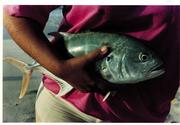


NYT article May 20 1997 re:
death of Davide Sorrenti by overdose
After years of denial by the fashion industry that heroin use among its players had any relation to the so-called heroin-chic style of fashion photography that has become so prevalent, the fatal overdose of Davide Sorrenti, 20, a promising photographer at the heart of the scene, was like a small bomb going off.
Even if it was a bomb detonated in the home of the person making it, it didn't dispel the impact. The period of denial is over. Magazine editors are now admitting that glamorizing the strung-out heroin addict's look reflected use among the industry's young and also had a seductive power that caused damage. And three months after Sorrenti's death, the magazines
that published his work and have served as catalysts for the look are declaring that they are going to move on, with a more upbeat mood that will be visible in July issues.
It was a coincidence that Sorrenti's final fashion photos appeared -- with a tribute hastily inserted after his death on Feb. 4 -- in the March issue of Detour magazine, along with another editorial layout of models apparently posed in drugged stupor. But considering the amount of drug use in fashion now, and the number of magazines publishing such images, such an unhappy coincidence was bound to occur.
The eerie silence in the industry immediately following
Sorrenti's death may have reflected a sense of complicity. By publishing such photos, magazine editors could be seen as enablers, implicitly condoning the life style represented....
For three years, the defense for such photography has been that it represents rebellion against phoney airbrushed images. The rationale that it reflects a new idea of beauty has had a long, successful run, considering how apparent it has been to almost
any observer that the models are posed to look sickly, if not drug-addled. They have nonetheless been commissioned because they help sell clothes to young people longing to be cool. The glibness of the industry in its rationalizations harks back to the Studio 54 era, when a frenetic cocaine esthetic was explained away in much the same manner.
The heroin-chic photos were inspired by the real-life subjects of the photojournalism of Larry Clark in the 1960s and Nan Goldin in the 70s, images that could be considered deterrents, since they eloquently showed the seedy desperation of addicts. In the 1990s derivation, the staged fashion photos are far from deterrents.
"When people are using, they are almost invariably recruiters," said Dr. Mitchell S. Rosenthal, the psychiatrist who is president
of Phoenix House, a national network of drug-treatment centers. "Because they are in the culture of the communications business, they are communicating a message of acceptability. They are also communicating that this is not dangerous: an informed or smart
user who's got it together will know what to do. They are lowering the threshold for use. In a sense, they go forward as proselytizers."
NYT May 20, 1997
death of Davide Sorrenti by overdose
After years of denial by the fashion industry that heroin use among its players had any relation to the so-called heroin-chic style of fashion photography that has become so prevalent, the fatal overdose of Davide Sorrenti, 20, a promising photographer at the heart of the scene, was like a small bomb going off.
Even if it was a bomb detonated in the home of the person making it, it didn't dispel the impact. The period of denial is over. Magazine editors are now admitting that glamorizing the strung-out heroin addict's look reflected use among the industry's young and also had a seductive power that caused damage. And three months after Sorrenti's death, the magazines
that published his work and have served as catalysts for the look are declaring that they are going to move on, with a more upbeat mood that will be visible in July issues.
It was a coincidence that Sorrenti's final fashion photos appeared -- with a tribute hastily inserted after his death on Feb. 4 -- in the March issue of Detour magazine, along with another editorial layout of models apparently posed in drugged stupor. But considering the amount of drug use in fashion now, and the number of magazines publishing such images, such an unhappy coincidence was bound to occur.
The eerie silence in the industry immediately following
Sorrenti's death may have reflected a sense of complicity. By publishing such photos, magazine editors could be seen as enablers, implicitly condoning the life style represented....
For three years, the defense for such photography has been that it represents rebellion against phoney airbrushed images. The rationale that it reflects a new idea of beauty has had a long, successful run, considering how apparent it has been to almost
any observer that the models are posed to look sickly, if not drug-addled. They have nonetheless been commissioned because they help sell clothes to young people longing to be cool. The glibness of the industry in its rationalizations harks back to the Studio 54 era, when a frenetic cocaine esthetic was explained away in much the same manner.
The heroin-chic photos were inspired by the real-life subjects of the photojournalism of Larry Clark in the 1960s and Nan Goldin in the 70s, images that could be considered deterrents, since they eloquently showed the seedy desperation of addicts. In the 1990s derivation, the staged fashion photos are far from deterrents.
"When people are using, they are almost invariably recruiters," said Dr. Mitchell S. Rosenthal, the psychiatrist who is president
of Phoenix House, a national network of drug-treatment centers. "Because they are in the culture of the communications business, they are communicating a message of acceptability. They are also communicating that this is not dangerous: an informed or smart
user who's got it together will know what to do. They are lowering the threshold for use. In a sense, they go forward as proselytizers."
NYT May 20, 1997
|
|
|
|
|
|
|
|
デビット・ソレンティ 更新情報
-
最新のイベント
-
まだ何もありません
-
-
最新のアンケート
-
まだ何もありません
-
デビット・ソレンティのメンバーはこんなコミュニティにも参加しています


人気コミュニティランキング
- 1位
- 写真を撮るのが好き
- 209533人
- 2位
- 暮らしを楽しむ
- 77532人
- 3位
- 食べ物写真をつい撮ってしまう人
- 20017人