


Neuropathologic, neuroradiologic, and neurophysiologic data
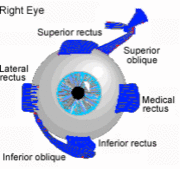
Findings from neuropathologic, neuroradiologic, and neurophysiologic studies support the hypothesis that DS results from an absence of cranial nerve VI (abducens nerve). Neuropathologic evidence comes from postmortem examinations of individuals who had DS. These studies have shown an absence of cranial nerve VI and its corresponding alpha motor neurons in the pons, as well as aberrant innervation of the lateral rectus muscle by a branch of cranial nerve III.
MRI studies of an individual with DS also revealed the absence of the abducens nerve. Neurophysiologic evidence of neuronal involvement in DS is derived from electromyographic (EMG) studies, which show that the medial and lateral recti muscles are electrically active in individuals with DS. However, when individuals with DS attempt to move their eyes inward (ie, adduct it), both of these muscles contract at the same time, causing the eyeball to retract inward and the eye opening (palpebral fissure) to become narrowed. These findings support aberrant innervation of the lateral rectus muscle.
Autopsy specimens have shown agenesis of the sixth-nerve nucleus and innervation of the lateral rectus muscle by the third-nerve nucleus. This observation explains the globe retraction on attempted adduction. In neuropathologic terms, the cause of DS is an absent sixth-nerve nucleus and innervation of the lateral rectus by a branch of the inferior division of the third nerve.
Condensation of the mesoderm around the eye results in development of the extrinsic eye muscles. When the embryo is 7 mm long, they form 1 mass, which is supplied by only the third nerve. When the embryo is 8-12 mm long, ie, when the fourth and the sixth nerve arrive, this mass divides into separate muscles. Because of an absence of or aplasia of the abducens nerve, a branch of the oculomotor nerve (as a substitute) conceivably enters the part of the muscle mass that is to become the lateral rectus muscle.
Given the evidence that DS results from an absence of the abducens nerve (cranial nerve VI) and that DS is associated with other anomalies in some cases, DS is though to reflect a disturbance of normal embryonic development. Either a genetic or an environmental factor may be involved when the cranial nerves and ocular muscles are developing at 3-8 weeks of gestation.
DSが30-50%の患者の別の目の異常、先天的な顔、骨格、神経の異常と関連があることから、胎芽(8週目の胎児)時期の障害だと仮定される。妊娠2ヵ月目の頃の胎芽の奇形発生に目と目のまわりの異常が(DSを含む)報告されている。
Genetic and environmental factors
遺伝的、環境的要素
DSの遺伝的要素は研究されているが、DSの遺伝子そのものの場所は解明されていない。
Similar to congenital fibrosis of the extraocular muscles (CFEOM), DS is classified as strabismus, under the subclassification of incomitant strabismus and extraocular muscle fibrosis syndromes. 「muscle fibrosis」という呼び方から、デュアン症候群は筋肉の障害だと思われがちだが、DS(またCFEOMなどの外の症候群なども)は神経のinnervation障害という裏付が有力である。(A review of fibrosis syndromes can be found in Engle's article in 1998.)
遺伝と環境の両方によってDSが起こったと考えられる。DSのほとんどのケースが突発性のものであり、家族から遺伝したと思われるケールは2-5%でしかない。家族の多くのメンバーにDSがあるという報告はほとんどない。家族からの遺伝でも、優勢遺伝と劣勢遺伝の両方のケースが報告されている。優勢遺伝が確認されているケースでも、1世代飛んで遺伝するというケースもあれば、DSのひどさもまちまちである。遺伝のDSの殆どは、外の奇形や異常とは関連性がない。
Genetic-linkage studies of a large family with DS established the location of a DS gene on chromosome 2. Although a genetic cause of DS has long been accepted, these studies were the first to show a statistically significant linkage. In addition, cytogenetic results of individuals with DS have, in rare cases, shown abnormalities that suggest the contribution of more than 1 gene. Deletions on chromosomes 4 and 8 and an extra marker chromosome thought to be derived from chromosome 22 have been documented in individuals with DS.
優勢遺伝で発症するというパターンも報告されている。また一卵性双生児のケースも研究されている。ただし、ほとんどの場合、DSは遺伝ではなく、突発性のものである。一卵性双生児のDSが鏡写しのように(片方は右目、片方は左目)という報告もある。
一番多いケースはtype 1のDSで(85%)、左目の発症率が60%、女性に起こる率が60%で、目を外側(耳の方に)動かす機能が制限されている、もしくは全く外側に動かせないというものである。
Findings from neuropathologic, neuroradiologic, and neurophysiologic studies support the hypothesis that DS results from an absence of cranial nerve VI (abducens nerve). Neuropathologic evidence comes from postmortem examinations of individuals who had DS. These studies have shown an absence of cranial nerve VI and its corresponding alpha motor neurons in the pons, as well as aberrant innervation of the lateral rectus muscle by a branch of cranial nerve III.
MRI studies of an individual with DS also revealed the absence of the abducens nerve. Neurophysiologic evidence of neuronal involvement in DS is derived from electromyographic (EMG) studies, which show that the medial and lateral recti muscles are electrically active in individuals with DS. However, when individuals with DS attempt to move their eyes inward (ie, adduct it), both of these muscles contract at the same time, causing the eyeball to retract inward and the eye opening (palpebral fissure) to become narrowed. These findings support aberrant innervation of the lateral rectus muscle.
Autopsy specimens have shown agenesis of the sixth-nerve nucleus and innervation of the lateral rectus muscle by the third-nerve nucleus. This observation explains the globe retraction on attempted adduction. In neuropathologic terms, the cause of DS is an absent sixth-nerve nucleus and innervation of the lateral rectus by a branch of the inferior division of the third nerve.
Condensation of the mesoderm around the eye results in development of the extrinsic eye muscles. When the embryo is 7 mm long, they form 1 mass, which is supplied by only the third nerve. When the embryo is 8-12 mm long, ie, when the fourth and the sixth nerve arrive, this mass divides into separate muscles. Because of an absence of or aplasia of the abducens nerve, a branch of the oculomotor nerve (as a substitute) conceivably enters the part of the muscle mass that is to become the lateral rectus muscle.
Given the evidence that DS results from an absence of the abducens nerve (cranial nerve VI) and that DS is associated with other anomalies in some cases, DS is though to reflect a disturbance of normal embryonic development. Either a genetic or an environmental factor may be involved when the cranial nerves and ocular muscles are developing at 3-8 weeks of gestation.
DSが30-50%の患者の別の目の異常、先天的な顔、骨格、神経の異常と関連があることから、胎芽(8週目の胎児)時期の障害だと仮定される。妊娠2ヵ月目の頃の胎芽の奇形発生に目と目のまわりの異常が(DSを含む)報告されている。
Genetic and environmental factors
遺伝的、環境的要素
DSの遺伝的要素は研究されているが、DSの遺伝子そのものの場所は解明されていない。
Similar to congenital fibrosis of the extraocular muscles (CFEOM), DS is classified as strabismus, under the subclassification of incomitant strabismus and extraocular muscle fibrosis syndromes. 「muscle fibrosis」という呼び方から、デュアン症候群は筋肉の障害だと思われがちだが、DS(またCFEOMなどの外の症候群なども)は神経のinnervation障害という裏付が有力である。(A review of fibrosis syndromes can be found in Engle's article in 1998.)
遺伝と環境の両方によってDSが起こったと考えられる。DSのほとんどのケースが突発性のものであり、家族から遺伝したと思われるケールは2-5%でしかない。家族の多くのメンバーにDSがあるという報告はほとんどない。家族からの遺伝でも、優勢遺伝と劣勢遺伝の両方のケースが報告されている。優勢遺伝が確認されているケースでも、1世代飛んで遺伝するというケースもあれば、DSのひどさもまちまちである。遺伝のDSの殆どは、外の奇形や異常とは関連性がない。
Genetic-linkage studies of a large family with DS established the location of a DS gene on chromosome 2. Although a genetic cause of DS has long been accepted, these studies were the first to show a statistically significant linkage. In addition, cytogenetic results of individuals with DS have, in rare cases, shown abnormalities that suggest the contribution of more than 1 gene. Deletions on chromosomes 4 and 8 and an extra marker chromosome thought to be derived from chromosome 22 have been documented in individuals with DS.
優勢遺伝で発症するというパターンも報告されている。また一卵性双生児のケースも研究されている。ただし、ほとんどの場合、DSは遺伝ではなく、突発性のものである。一卵性双生児のDSが鏡写しのように(片方は右目、片方は左目)という報告もある。
一番多いケースはtype 1のDSで(85%)、左目の発症率が60%、女性に起こる率が60%で、目を外側(耳の方に)動かす機能が制限されている、もしくは全く外側に動かせないというものである。
|
|
|
|
|
|
|
|
デュアン症候群 更新情報
-
最新のイベント
-
まだ何もありません
-
-
最新のアンケート
-
まだ何もありません
-
デュアン症候群のメンバーはこんなコミュニティにも参加しています


人気コミュニティランキング

- 1位
- 相棒
- 59288人

- 2位
- 食べ物写真をつい撮ってしまう人
- 20038人

- 3位
- 暮らしを楽しむ
- 77590人