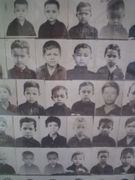


Transitional Justiceについて知る上では、南アフリカに拠点を置くThe International Center for Transitional Justice (ICTJ) のホームページを「お気に入り」に入れておかれることをお勧めします。
ICTJの概要につきましては、以下のとおりです。
Mission and History
Our Mission
The International Center for Transitional Justice (ICTJ) assists countries pursuing accountability for past mass atrocity or human rights abuse. The Center works in societies emerging from repressive rule or armed conflict, as well as in established democracies where historical injustices or systemic abuse remain unresolved.
In order to promote justice, peace, and reconciliation, government officials and nongovernmental advocates are likely to consider a variety of transitional justice approaches including both judicial and nonjudicial responses to human rights crimes. The ICTJ assists in the development of integrated, comprehensive, and localized approaches to transitional justice comprising five key elements: prosecuting perpetrators, documenting and acknowledging violations through nonjudicial means such as truth commissions, reforming abusive institutions, providing reparations to victims, and facilitating reconciliation processes.
The Center is committed to building local capacity and generally strengthening the emerging field of transitional justice, and works closely with organizations and experts around the world to do so. By working in the field through local languages, the ICTJ provides comparative information, legal and policy analysis, documentation, and strategic research to justice and truth-seeking institutions, nongovernmental organizations, governments and others.
The core principles of the ICTJ are reflected in the following five operational guidelines:
Prioritize the interests and perspectives of victims and survivors. The Center will always assess and respect the interests of victims, often working closely with victim organizations and human rights advocacy groups.
Promote compliance with international obligations. The Center will promote understanding and acceptance of the obligations of states in responding to rights violations, especially those established in international law.
Shape policy and advice based on a rigorous analysis of the national and international context and circumstances. The Center will undertake each assignment with a focused assessment of local conditions and relevant international circumstances, rather than approaching its work with prior blueprints or rigid guidelines that pre-determine options.
Promote local involvement and empowerment. The Center will prioritize the training and empowerment of local actors so that skills and expertise are transferred to nationals. The Center will always involve local actors in policy development so that initiatives are shaped and ultimately decided by nationals.
Support and facilitate the work of organizations and individuals in the transitional justice field. The Center will aim to facilitate communication, networking, and collaboration among those working in the transitional justice field.
Our History
While human rights organizations have traditionally focused on documenting violations and lobbying against abuse, the International Center for Transitional Justice (ICTJ) was founded on the concept of a new direction in human rights advocacy: helping societies to heal by accounting for and addressing past crimes after a period of repressive rule or armed conflict.
The ICTJ was first conceived at a strategy meeting hosted by the Ford Foundation in April 2000. More than two dozen participants, including legal scholars, human rights advocates, and practitioners, gathered to discuss ways of contributing to the rapidly emerging field of transitional justice.
The participants expressed broad support for the establishment of an organization focusing on transitional justice. The Foundation subsequently asked three consultants—Alex Boraine, Priscilla Hayner and Paul van Zyl—to develop a plan for such an organization. Their initial five-year proposal received funding support from the Ford Foundation, the John D. and Catherine T. MacArthur Foundation, the Carnegie Corporation of New York, the Rockefeller Brothers Fund, and the Andrus Family Fund.
The ICTJ officially opened its doors in New York City on March 1, 2001, and within six months was operating in more than a dozen countries, as requests for assistance poured in. In 2004 Founding President Alex Boraine returned to South Africa to establish the Center’s Cape Town Office. Offices in Brussels and Geneva followed in 2005.
(出展は http://
また、ICTJのNEWSLETTERは、読む価値ありです。
http://
ICTJからの出版物については、
http://
研修コース等については以下のとおりです。
Courses and Fellowships
The Center conducts a wide range of courses and fellowship programs on transitional justice for practitioners, academics, and students at the graduate and postgraduate levels. Programs range from short, intensive courses—some regularly scheduled and others offered on an ad hoc basis—to the organization's flagship Cape Town Transitional Justice Fellowship Program.
Intensive Courses
The ICTJ Essentials Course. The ICTJ runs regular 3-5 day training courses, in both English and French, out of our Brussels and New York offices, aimed at European NGOs, universities, diplomatic staff, and graduate/law students.
Teaching Transitional Justice. The ICTJ's University/Academic seminars focus on professors currently employed at universities in the countries and regions in which we work. The goal of these seminars is to provide materials and ideas for teaching transitional justice at universities.
The ICTJ also conducts occasional ad hoc courses, such as the course on Transitional Justice and Peace.
Fellowships Programs
Cape Town Transitional Justice Fellowship Program (Cape Town, South Africa)
Latin American Transitional Justice Fellowship Program (Santiago, Chile)
Rabat Transitional Justice Fellowship Program (Rabat, Morocco)
(出展は、 http://
ICTJの概要につきましては、以下のとおりです。
Mission and History
Our Mission
The International Center for Transitional Justice (ICTJ) assists countries pursuing accountability for past mass atrocity or human rights abuse. The Center works in societies emerging from repressive rule or armed conflict, as well as in established democracies where historical injustices or systemic abuse remain unresolved.
In order to promote justice, peace, and reconciliation, government officials and nongovernmental advocates are likely to consider a variety of transitional justice approaches including both judicial and nonjudicial responses to human rights crimes. The ICTJ assists in the development of integrated, comprehensive, and localized approaches to transitional justice comprising five key elements: prosecuting perpetrators, documenting and acknowledging violations through nonjudicial means such as truth commissions, reforming abusive institutions, providing reparations to victims, and facilitating reconciliation processes.
The Center is committed to building local capacity and generally strengthening the emerging field of transitional justice, and works closely with organizations and experts around the world to do so. By working in the field through local languages, the ICTJ provides comparative information, legal and policy analysis, documentation, and strategic research to justice and truth-seeking institutions, nongovernmental organizations, governments and others.
The core principles of the ICTJ are reflected in the following five operational guidelines:
Prioritize the interests and perspectives of victims and survivors. The Center will always assess and respect the interests of victims, often working closely with victim organizations and human rights advocacy groups.
Promote compliance with international obligations. The Center will promote understanding and acceptance of the obligations of states in responding to rights violations, especially those established in international law.
Shape policy and advice based on a rigorous analysis of the national and international context and circumstances. The Center will undertake each assignment with a focused assessment of local conditions and relevant international circumstances, rather than approaching its work with prior blueprints or rigid guidelines that pre-determine options.
Promote local involvement and empowerment. The Center will prioritize the training and empowerment of local actors so that skills and expertise are transferred to nationals. The Center will always involve local actors in policy development so that initiatives are shaped and ultimately decided by nationals.
Support and facilitate the work of organizations and individuals in the transitional justice field. The Center will aim to facilitate communication, networking, and collaboration among those working in the transitional justice field.
Our History
While human rights organizations have traditionally focused on documenting violations and lobbying against abuse, the International Center for Transitional Justice (ICTJ) was founded on the concept of a new direction in human rights advocacy: helping societies to heal by accounting for and addressing past crimes after a period of repressive rule or armed conflict.
The ICTJ was first conceived at a strategy meeting hosted by the Ford Foundation in April 2000. More than two dozen participants, including legal scholars, human rights advocates, and practitioners, gathered to discuss ways of contributing to the rapidly emerging field of transitional justice.
The participants expressed broad support for the establishment of an organization focusing on transitional justice. The Foundation subsequently asked three consultants—Alex Boraine, Priscilla Hayner and Paul van Zyl—to develop a plan for such an organization. Their initial five-year proposal received funding support from the Ford Foundation, the John D. and Catherine T. MacArthur Foundation, the Carnegie Corporation of New York, the Rockefeller Brothers Fund, and the Andrus Family Fund.
The ICTJ officially opened its doors in New York City on March 1, 2001, and within six months was operating in more than a dozen countries, as requests for assistance poured in. In 2004 Founding President Alex Boraine returned to South Africa to establish the Center’s Cape Town Office. Offices in Brussels and Geneva followed in 2005.
(出展は http://
また、ICTJのNEWSLETTERは、読む価値ありです。
http://
ICTJからの出版物については、
http://
研修コース等については以下のとおりです。
Courses and Fellowships
The Center conducts a wide range of courses and fellowship programs on transitional justice for practitioners, academics, and students at the graduate and postgraduate levels. Programs range from short, intensive courses—some regularly scheduled and others offered on an ad hoc basis—to the organization's flagship Cape Town Transitional Justice Fellowship Program.
Intensive Courses
The ICTJ Essentials Course. The ICTJ runs regular 3-5 day training courses, in both English and French, out of our Brussels and New York offices, aimed at European NGOs, universities, diplomatic staff, and graduate/law students.
Teaching Transitional Justice. The ICTJ's University/Academic seminars focus on professors currently employed at universities in the countries and regions in which we work. The goal of these seminars is to provide materials and ideas for teaching transitional justice at universities.
The ICTJ also conducts occasional ad hoc courses, such as the course on Transitional Justice and Peace.
Fellowships Programs
Cape Town Transitional Justice Fellowship Program (Cape Town, South Africa)
Latin American Transitional Justice Fellowship Program (Santiago, Chile)
Rabat Transitional Justice Fellowship Program (Rabat, Morocco)
(出展は、 http://
|
|
|
|
|
|
|
|
Transitional Justice 更新情報
-
最新のイベント
-
まだ何もありません
-
-
最新のアンケート
-
まだ何もありません
-