
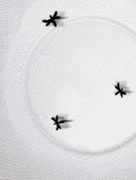


始めまして
私も飛蚊症です。すごい数の持ち主です。
片っぱしから治療を調べ、ルテイン、ゼオエースから始まり、現在はアイヨガと漢方を飲んで2カ月程です。薄くなったような気がするけど、やはり気になります。
もちろん、さくらライフセーブや韓国の硝子体手術も検討しました。
4月頃に、ワシントンDCに一人で行こうかと考えましたが仕事の都合でなかなか。。。
ちなみに、現在は円が強いのでさくらライフセーブに依頼しても両目で110万程+宿泊料+渡米料で行けるとのこと。(10月くらいまでなら)
ニュージャージー州のDrとのことです。
それにしても、治療費の倍も仲介料がかかるのはねえ。。。
で、私も9月の終わりか10月にレーザー治療に行きます。リスクが気になるけど。
ちなみに、アーバイン(Drジョンソン)にしようかと考えましたが、博士さんの言うとおり、2〜3年てのが引っ掛かるんですよね〜
私、看護師だからDrは全て神の手を持つとも思えないし。医者も人間だからね
ワシントンDCのDrカリコフはベテランだけど、12〜13時間かかるし高いんだよなあ。。。フロリダのDrゲリーはもっと遠いいし。。。
博士さんはどの医師に託す予定ですか?
今後、私もそれぞれの医師にがっつり質問していくつもりですが。。。
私も飛蚊症です。すごい数の持ち主です。
片っぱしから治療を調べ、ルテイン、ゼオエースから始まり、現在はアイヨガと漢方を飲んで2カ月程です。薄くなったような気がするけど、やはり気になります。
もちろん、さくらライフセーブや韓国の硝子体手術も検討しました。
4月頃に、ワシントンDCに一人で行こうかと考えましたが仕事の都合でなかなか。。。
ちなみに、現在は円が強いのでさくらライフセーブに依頼しても両目で110万程+宿泊料+渡米料で行けるとのこと。(10月くらいまでなら)
ニュージャージー州のDrとのことです。
それにしても、治療費の倍も仲介料がかかるのはねえ。。。
で、私も9月の終わりか10月にレーザー治療に行きます。リスクが気になるけど。
ちなみに、アーバイン(Drジョンソン)にしようかと考えましたが、博士さんの言うとおり、2〜3年てのが引っ掛かるんですよね〜
私、看護師だからDrは全て神の手を持つとも思えないし。医者も人間だからね
ワシントンDCのDrカリコフはベテランだけど、12〜13時間かかるし高いんだよなあ。。。フロリダのDrゲリーはもっと遠いいし。。。
博士さんはどの医師に託す予定ですか?
今後、私もそれぞれの医師にがっつり質問していくつもりですが。。。
|
|
|
|
コメント(19)
DrカリコフはDrゲーラーより歳をとっているので、この二人から選ぶならゲーラーにしようと私は思いました。
Dr.ジョンソンは経験が2〜3年ですが、やはりゲーラーのいる東海岸よりは近いので行き易さを優先して、こちらにしようと決めました。
自分は網膜剥離が原因で飛蚊症になったので、例え一度レーザーで飛蚊症を改善しても、また何かのきっかけで網膜が弱くなればまたどんどん悪化してくると思っているので、気持ち的には今年の九月に行き、改善が見られれば、また十年後行くぞって気持ちで考えています。
とりあえず正確な値段表を明記したものを、Home Pageから落とせるPDFに書いている事、カリコフトよりしっかりメールの返答してくれている事、日本人を使ったビデオインタビューをYOU TUBEに載せているくらいだから、歓迎という言葉はあれですが、邪険な態度をとられないだろうなという勝手な予想を自分がしている事から選びました。
今月末に友達の結婚式があり、色々休日も手伝い等に追われているので、八月入ったら、期限の切れたパスポートを更新したり、国際免許を申請取得したり、宿→飛行機と決めて、九月中のどっかで二週間カリフォルニアに滞在し、治療をする予定です。
うだうだ書きましたが、ジョンソンがいるオレンジカウンティーは田舎なので土地勘がないですが、ロスには昔四年程住んでいた事があり土地勘があるので、それも医者を決めた決め手です。
ジョンソンにして、カルフォルニアに行くのなら、病院の近くは知らないですが、危険な所安全な所、楽しい所楽しくない所等も詳しいので、必要なら聞いて下さい。
Dr.ジョンソンは経験が2〜3年ですが、やはりゲーラーのいる東海岸よりは近いので行き易さを優先して、こちらにしようと決めました。
自分は網膜剥離が原因で飛蚊症になったので、例え一度レーザーで飛蚊症を改善しても、また何かのきっかけで網膜が弱くなればまたどんどん悪化してくると思っているので、気持ち的には今年の九月に行き、改善が見られれば、また十年後行くぞって気持ちで考えています。
とりあえず正確な値段表を明記したものを、Home Pageから落とせるPDFに書いている事、カリコフトよりしっかりメールの返答してくれている事、日本人を使ったビデオインタビューをYOU TUBEに載せているくらいだから、歓迎という言葉はあれですが、邪険な態度をとられないだろうなという勝手な予想を自分がしている事から選びました。
今月末に友達の結婚式があり、色々休日も手伝い等に追われているので、八月入ったら、期限の切れたパスポートを更新したり、国際免許を申請取得したり、宿→飛行機と決めて、九月中のどっかで二週間カリフォルニアに滞在し、治療をする予定です。
うだうだ書きましたが、ジョンソンがいるオレンジカウンティーは田舎なので土地勘がないですが、ロスには昔四年程住んでいた事があり土地勘があるので、それも医者を決めた決め手です。
ジョンソンにして、カルフォルニアに行くのなら、病院の近くは知らないですが、危険な所安全な所、楽しい所楽しくない所等も詳しいので、必要なら聞いて下さい。
ご返答ありがとうございます。
ほんと、切実ですよね。
眼がクリアだったらどんだけ幸せか。。。
確かに、Drカリコフは年配の先生ですよね
両者を選ぶとしたらDrゲリーかもしれないですね
Drカリコフの飛蚊症はDrゲリーが治したという話も聞いたことがあります。
それにしても、うらやましいです
ロスに住んでたことがあるなんて。。。
私はアメリカには行ったことがないので一人で行くのが不安です。
観光どころか、ホームシックになってしまうと思ってます。
質問ですが、ロスからDrジョンソンの眼科まではどのくらいの距離がありますか?交通の手段がわからないので教えていただけたら嬉しいです。
ホテルを探すとしたらどの辺が便利なのでしょうか・・・ジョンウエイン空港のあたりが妥当なものでしょうか・・・
たくさん質問すみません
ほんと、切実ですよね。
眼がクリアだったらどんだけ幸せか。。。
確かに、Drカリコフは年配の先生ですよね
両者を選ぶとしたらDrゲリーかもしれないですね
Drカリコフの飛蚊症はDrゲリーが治したという話も聞いたことがあります。
それにしても、うらやましいです
ロスに住んでたことがあるなんて。。。
私はアメリカには行ったことがないので一人で行くのが不安です。
観光どころか、ホームシックになってしまうと思ってます。
質問ですが、ロスからDrジョンソンの眼科まではどのくらいの距離がありますか?交通の手段がわからないので教えていただけたら嬉しいです。
ホテルを探すとしたらどの辺が便利なのでしょうか・・・ジョンウエイン空港のあたりが妥当なものでしょうか・・・
たくさん質問すみません
kotetonotabi→ロスからDr Jhonsonの眼科まで車で2時間〜2時間半くらいだと思います。
二、三度当時車で遊びに行った事があるんですが、それくらいだった気がします。
距離は大した事ないんですが、むこうの高速道路でもっとも混んでいる高速道路が5番で、ロスからオレンジカウンティーに直線距離で一番早いのが5番だからです。
ロスから飛行機で近くの空港に行くか、ロスからバスで行くのが、最初に浮かぶプランな気がします。
ただロスのダウンタウンからバスでディズニーランドに行った事があるんですが、もの凄く時間がかかりましたが、何とかいけました。 けど、正直慣れてない方だとダウンタウンからのバスに乗るとき乞食が周りに多いいのでびびると思います。なので、高いですが空港から直接タクシーがいいと思います。 おいらの勘距離があるので200ドルくらいかな。。。
自分独自のお薦めプランはロスには気持ち悪いくらい沢山の日本人の学生がいるので、1日100ドル〜150ドルくらい払って運転手兼ミニ通訳等を頼むと色々楽な気がします。他の所にも書きましたが、むこうに住む日本人の掲示板とかあるので、そこのバイト情報の蘭に「学生の方で簡単な通訳兼運転手をしてくれる方いませんか?LAX(ロスの空港)からオレンジカウンティーまでです。」等
ホテルの件ですが、自分は八月に入ってから調べます。調べていくつかピックアップしたら連絡しますよ。 ちなみに自分は国際免許をとってレンタカーをして、オレンジカウンティーに行くつもりです。
二、三度当時車で遊びに行った事があるんですが、それくらいだった気がします。
距離は大した事ないんですが、むこうの高速道路でもっとも混んでいる高速道路が5番で、ロスからオレンジカウンティーに直線距離で一番早いのが5番だからです。
ロスから飛行機で近くの空港に行くか、ロスからバスで行くのが、最初に浮かぶプランな気がします。
ただロスのダウンタウンからバスでディズニーランドに行った事があるんですが、もの凄く時間がかかりましたが、何とかいけました。 けど、正直慣れてない方だとダウンタウンからのバスに乗るとき乞食が周りに多いいのでびびると思います。なので、高いですが空港から直接タクシーがいいと思います。 おいらの勘距離があるので200ドルくらいかな。。。
自分独自のお薦めプランはロスには気持ち悪いくらい沢山の日本人の学生がいるので、1日100ドル〜150ドルくらい払って運転手兼ミニ通訳等を頼むと色々楽な気がします。他の所にも書きましたが、むこうに住む日本人の掲示板とかあるので、そこのバイト情報の蘭に「学生の方で簡単な通訳兼運転手をしてくれる方いませんか?LAX(ロスの空港)からオレンジカウンティーまでです。」等
ホテルの件ですが、自分は八月に入ってから調べます。調べていくつかピックアップしたら連絡しますよ。 ちなみに自分は国際免許をとってレンタカーをして、オレンジカウンティーに行くつもりです。
ロスのバイトの時給ですが、場所と国籍でめっちゃかわります。というのもチップがあるからです。 わかりやすいので、自分がバイトしていたときの時給を書きます。
韓国人経営のかに鍋屋 チップ一日平均10〜20ドル5ドルの時もあれば50ドルの時もあったから。。。 時給7ドルくらい
寿司屋1 チップ一日3〜7ドルくらい 時給7ドルくらい
寿司屋2 チップ一日40ドルくらい 時給9ドルくらい
オーガニック風レストラン チップ一日20ドル〜30ドルくらい 時給8ドルくらい
大工のバイト チップ0 時給8ドルくらいだったかな。。。
学生ビザだと通常バイトができません。でも、日本人の70%くらいの学生がもぐりでバイトをしています。なので、時給がこれでも低めです。現地でH1ビザという資格をもっている人やアメリカ人はもっと好条件のバイトをしていると思います。日本人がチップが高い所は日本で普通に仕事をする以上に厳しいです。ゴミの様に扱われます。凄い有名なレストランで働いている友達は一日100ドル近くチップだけで稼いでいました。自分は楽だけど安い所で長く働く傾向がありました。 あとは治験で3週間くらい病院に入り5000ドル近く稼いでいる友達もいました。なので、バイトでどれくらい稼げるかは答えるのが難しいです。
ただ、日本でバイトをするよりはチップがあるので、学生の生活は日本にくらべ幾分楽です。
タクシーは自分はあまり使わなかったんですが、LAX(空港)からMonterey Parkという所まで高速で40分くらいなんですが、88ドルくらいかかり、チップ込みで100ドルくらい払った記憶があります。
しかしながら、むこうはガソリンが高騰しているとはいえ、こちらよりは安いので、Honda Civic を満タンにするのに30ドルいかなかった記憶があります。
学生なら100ドル+チップもしくは、+ガソリン代でも食いつく気がします。 もし自分がkotetonotabiさんのような立場なら150ドルだして、病院で軽く通訳も頼むと思います。
びびなび ロスアンジェルス
http://losangeles.vivinavi.com/JA/cj/
ここの情報掲示板でこのような記事をみました。こんな感じでやればいいと思います。
ドライバー兼ミニ通訳(病院での簡単な通訳)
みたいな。。。
募集いろいろ
2010年07月25日(Sun)
ドライバー募集
ドライバーを探しています。LAダウンタウン、イーグルロック、グレンデール近辺での買い物や銀行へ行くときへのお手伝いをお願いします。週に一度はレドンドビーチ方面へ出かける予定にもしています。
週に4−5日お願いする予定にしております。
時給、詳細についてはまずお電話ください。メールはチェックしませんので電話連絡でよろしくお願いいたします。
213-434-1201 ( Kayo Y )
連絡先 : 2134341201 / mail
韓国人経営のかに鍋屋 チップ一日平均10〜20ドル5ドルの時もあれば50ドルの時もあったから。。。 時給7ドルくらい
寿司屋1 チップ一日3〜7ドルくらい 時給7ドルくらい
寿司屋2 チップ一日40ドルくらい 時給9ドルくらい
オーガニック風レストラン チップ一日20ドル〜30ドルくらい 時給8ドルくらい
大工のバイト チップ0 時給8ドルくらいだったかな。。。
学生ビザだと通常バイトができません。でも、日本人の70%くらいの学生がもぐりでバイトをしています。なので、時給がこれでも低めです。現地でH1ビザという資格をもっている人やアメリカ人はもっと好条件のバイトをしていると思います。日本人がチップが高い所は日本で普通に仕事をする以上に厳しいです。ゴミの様に扱われます。凄い有名なレストランで働いている友達は一日100ドル近くチップだけで稼いでいました。自分は楽だけど安い所で長く働く傾向がありました。 あとは治験で3週間くらい病院に入り5000ドル近く稼いでいる友達もいました。なので、バイトでどれくらい稼げるかは答えるのが難しいです。
ただ、日本でバイトをするよりはチップがあるので、学生の生活は日本にくらべ幾分楽です。
タクシーは自分はあまり使わなかったんですが、LAX(空港)からMonterey Parkという所まで高速で40分くらいなんですが、88ドルくらいかかり、チップ込みで100ドルくらい払った記憶があります。
しかしながら、むこうはガソリンが高騰しているとはいえ、こちらよりは安いので、Honda Civic を満タンにするのに30ドルいかなかった記憶があります。
学生なら100ドル+チップもしくは、+ガソリン代でも食いつく気がします。 もし自分がkotetonotabiさんのような立場なら150ドルだして、病院で軽く通訳も頼むと思います。
びびなび ロスアンジェルス
http://losangeles.vivinavi.com/JA/cj/
ここの情報掲示板でこのような記事をみました。こんな感じでやればいいと思います。
ドライバー兼ミニ通訳(病院での簡単な通訳)
みたいな。。。
募集いろいろ
2010年07月25日(Sun)
ドライバー募集
ドライバーを探しています。LAダウンタウン、イーグルロック、グレンデール近辺での買い物や銀行へ行くときへのお手伝いをお願いします。週に一度はレドンドビーチ方面へ出かける予定にもしています。
週に4−5日お願いする予定にしております。
時給、詳細についてはまずお電話ください。メールはチェックしませんので電話連絡でよろしくお願いいたします。
213-434-1201 ( Kayo Y )
連絡先 : 2134341201 / mail
2003年にアップされた 2002年の記事ですね。記事の英文が上 下がおいらの未熟な訳 ()の中がおいらのコメント
Laser Surgery
A Nd:YAG laser is used to 'disrupt' the floaters.
YAGレーザーはひぶんを粉砕する為に使われています。
The laser places a high energy acoustic (sound-wave) pulse close to the floater.
このレーザーはひぶんに近い所に高いアコースティックパルスをあてるものです。(サウンドウェーブとも書いているから高周波みたいなものかな。。。)
This energy pulse disrupts/blasts the floater.
このエネルギーのバルスはひぶんを壊すもしくは粉砕します。(カリコフの説明には粉砕でなく蒸発ですと書いてましたが。。。。)
Technically this procedure is termed 'vitriolysis'.
厳密に言えば、この処置はvitriolysisと呼ばれます。
Despite studies describing laser vitreolysis as a treatment for vitreous floaters, this technique is not widely practiced. このレーザーvitriolysisは飛蚊症の治療としていちづけられているにも関わらず、このテクニックは広くは扱われていません。
The reason for this may be a combination of disappointing results, or reluctance to use Nd:YAG laser in the posterior segment of the eye.
この理由はもしかして残念な結果のあつまりや、目の後部の部分に不本意にYAGレーザーガ使われてしまったのかもしれません。(ここの英文はmayなので筆者の推量です。)
The latter may be influenced by the known complication of retinal detachment following YAG laser capsulotomy (performed after a cataract surgery), which occurs at an incidence of between 0.50% and 4.16%.
後者はYAGレーザーによってひきおこった網膜剥離の後遺症として知られているものの影響を受けたのかもしれません。(白内障手術の後に施された),これは0.5%から4.16%の発生で起こります。 (ここの英文の意味がうまく訳せないですが、()の中に白内障の手術の後)と明記されています。)
A recent study showed that laser surgery for floaters ameliorated symptoms in only a third of patients.
最近の研究結果が示しているのは、飛蚊症のレーザー治療は患者の3分の1だけの症状を改善しています。
Furthermore the clinical improvement was only moderate in degree, subjectively being graded at no greater than 50% by 93.3% of patients.
さらには、 臨床改善は適度な度のものだけでした。 客観的に93.3% の患者で50%以下のものだと等級づけられています。(おいらの知識ではここうまく訳せません。明日翻訳を仕事にしている友達に質問してみます。)
In no patient was there complete resolution of symptoms.
完璧な症状の改善をえられた人はいなかった。
Laser treatment led to worsening of symptoms in 7.7% of patients (Eye 2002; 16,:21-26).
レーザー治療が症状を7.7%の患者の症状を悪化させた。
自分なりに訳したら少しチンプンカンプンでした。。。(笑)
まぁ〜けど2002年の研究結果なので、その当時4%なら今の数字も両方正しくてもおかしくはないと思います。
けど、やはり目に何かをするわけですから、何もしないのが一番安全なのは当たり前だと思います。絶対に安全な治療法は研究自体世界でどこもしていないわけですから、まったくないと思います。
おいらは試します。
Laser Surgery
A Nd:YAG laser is used to 'disrupt' the floaters.
YAGレーザーはひぶんを粉砕する為に使われています。
The laser places a high energy acoustic (sound-wave) pulse close to the floater.
このレーザーはひぶんに近い所に高いアコースティックパルスをあてるものです。(サウンドウェーブとも書いているから高周波みたいなものかな。。。)
This energy pulse disrupts/blasts the floater.
このエネルギーのバルスはひぶんを壊すもしくは粉砕します。(カリコフの説明には粉砕でなく蒸発ですと書いてましたが。。。。)
Technically this procedure is termed 'vitriolysis'.
厳密に言えば、この処置はvitriolysisと呼ばれます。
Despite studies describing laser vitreolysis as a treatment for vitreous floaters, this technique is not widely practiced. このレーザーvitriolysisは飛蚊症の治療としていちづけられているにも関わらず、このテクニックは広くは扱われていません。
The reason for this may be a combination of disappointing results, or reluctance to use Nd:YAG laser in the posterior segment of the eye.
この理由はもしかして残念な結果のあつまりや、目の後部の部分に不本意にYAGレーザーガ使われてしまったのかもしれません。(ここの英文はmayなので筆者の推量です。)
The latter may be influenced by the known complication of retinal detachment following YAG laser capsulotomy (performed after a cataract surgery), which occurs at an incidence of between 0.50% and 4.16%.
後者はYAGレーザーによってひきおこった網膜剥離の後遺症として知られているものの影響を受けたのかもしれません。(白内障手術の後に施された),これは0.5%から4.16%の発生で起こります。 (ここの英文の意味がうまく訳せないですが、()の中に白内障の手術の後)と明記されています。)
A recent study showed that laser surgery for floaters ameliorated symptoms in only a third of patients.
最近の研究結果が示しているのは、飛蚊症のレーザー治療は患者の3分の1だけの症状を改善しています。
Furthermore the clinical improvement was only moderate in degree, subjectively being graded at no greater than 50% by 93.3% of patients.
さらには、 臨床改善は適度な度のものだけでした。 客観的に93.3% の患者で50%以下のものだと等級づけられています。(おいらの知識ではここうまく訳せません。明日翻訳を仕事にしている友達に質問してみます。)
In no patient was there complete resolution of symptoms.
完璧な症状の改善をえられた人はいなかった。
Laser treatment led to worsening of symptoms in 7.7% of patients (Eye 2002; 16,:21-26).
レーザー治療が症状を7.7%の患者の症状を悪化させた。
自分なりに訳したら少しチンプンカンプンでした。。。(笑)
まぁ〜けど2002年の研究結果なので、その当時4%なら今の数字も両方正しくてもおかしくはないと思います。
けど、やはり目に何かをするわけですから、何もしないのが一番安全なのは当たり前だと思います。絶対に安全な治療法は研究自体世界でどこもしていないわけですから、まったくないと思います。
おいらは試します。
kotetonotabi→レーザーの対象かどうかはいまいちわからんのですよねぇ〜自分が知っているのは、網膜に近すぎるものと、レンズに近いもの それと小さすぎるやつ、医者からみて見えないやつは治療対象外という事くらいです。 最近きゃっちぃさんという飛蚊症の方が横浜相鉄ビル病院に行った際に仕事先が横浜から近いので、合流したんですよ。
彼がそこで見て貰ったら、目の下の方にありレーザーがあたらないとから対象外だと思いますっていわれたそうです。 そういう物理的な事で読んだものはわかりますが、あとはわかりません。 一度相鉄ビル病院で見て貰ってはいかがでしょうか?
http://www.isao.com/
http://www.aikeikai.jp/
病院が提携しているわけではない関係上、「出来る!!」とは断言してくれませんが、できないようなら教えてくれます。
もし行くなら、カリコフのhttp://www.eyefloaters.com/index.php?option=com_content&task=view&id=37&Itemid=342 このページを印刷してもっていくといいと思います。
日本ではこういう所を医者に見て来てもらって下さいと 赤い線のしたに書いています。近所の医者やかかりつけの医者でやってくれるならそれでもいいと思いますが、レーザーは日本にないものなので、大抵の医者は辞めた方がいいと言って、見てくれないと思いますが。。。
自分は31歳です。 29歳の頃、ダイエットにいいかなと総合格闘技を初めて、練習中に目にパンチが入っちゃって左目網膜剥離 その時は飛蚊症はなかったのですが、手術の後から少し出始めました。 でも、そのときはすぐに慣れる程度のものでした。 で、今年の三月に仕事中目にバネがあたり、今度は右目が網膜剥離になり、今度は目にバネがぶつかった瞬間からもの凄く飛蚊症がでています。
それで、右目を治療して入院してたら、左目にもまた飛蚊症が悪化してでてきて、酷いもんです。。。
まぁ〜特にひどいのが右目なので、今回というかとりあえずアメリカに行ったら、安全を考え右目だけ試してみるつもりです。
その50%がどうとかうまく訳せないんですよね。頼みの綱の友達も現在台湾にいるので、来週友達が帰国したら、その所聞いてみようと思っています。
彼がそこで見て貰ったら、目の下の方にありレーザーがあたらないとから対象外だと思いますっていわれたそうです。 そういう物理的な事で読んだものはわかりますが、あとはわかりません。 一度相鉄ビル病院で見て貰ってはいかがでしょうか?
http://www.isao.com/
http://www.aikeikai.jp/
病院が提携しているわけではない関係上、「出来る!!」とは断言してくれませんが、できないようなら教えてくれます。
もし行くなら、カリコフのhttp://www.eyefloaters.com/index.php?option=com_content&task=view&id=37&Itemid=342 このページを印刷してもっていくといいと思います。
日本ではこういう所を医者に見て来てもらって下さいと 赤い線のしたに書いています。近所の医者やかかりつけの医者でやってくれるならそれでもいいと思いますが、レーザーは日本にないものなので、大抵の医者は辞めた方がいいと言って、見てくれないと思いますが。。。
自分は31歳です。 29歳の頃、ダイエットにいいかなと総合格闘技を初めて、練習中に目にパンチが入っちゃって左目網膜剥離 その時は飛蚊症はなかったのですが、手術の後から少し出始めました。 でも、そのときはすぐに慣れる程度のものでした。 で、今年の三月に仕事中目にバネがあたり、今度は右目が網膜剥離になり、今度は目にバネがぶつかった瞬間からもの凄く飛蚊症がでています。
それで、右目を治療して入院してたら、左目にもまた飛蚊症が悪化してでてきて、酷いもんです。。。
まぁ〜特にひどいのが右目なので、今回というかとりあえずアメリカに行ったら、安全を考え右目だけ試してみるつもりです。
その50%がどうとかうまく訳せないんですよね。頼みの綱の友達も現在台湾にいるので、来週友達が帰国したら、その所聞いてみようと思っています。
- mixiユーザー
- ログインしてコメントしよう!
|
|
|
|
飛蚊症と付き合う 更新情報
-
最新のイベント
-
まだ何もありません
-
-
最新のアンケート
-
まだ何もありません
-
飛蚊症と付き合うのメンバーはこんなコミュニティにも参加しています


人気コミュニティランキング

- 1位
- 千葉 ロッテマリーンズ
- 37118人
- 2位
- 速報!高校野球!
- 45272人

- 3位
- 広島東洋カープ
- 55164人