



開催終了松井茂作詩 安野太郎作曲「ブリーチ」初演
詳細
2007年09月27日 01:58 更新
Company izuru concert project Vol.1
音楽×音曲
日時:2007年9月28日
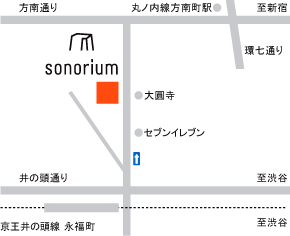
場所:SONORIUM(永福町)
開演:1st/17:00、2nd/20:00
安野太郎
http://
カンパニー IZURU
http://
SONORIUM | 永福町の音楽ホールへようこそ
http://
安野太郎「ブリーチ」
編成:声、能管、バスクラリネット
http://
No.1
Let's ignore the old versions of hone meaning to delay and to grumble (which were news to me) in on hone as to sharpen on a hone though the noun hone is old (citations from 1300) its is apparently more recent the phrase grinder or hone is cited from 1824 and the first citation of hone as a straight-out verb is from 1826
No.2
What's the cause if any? I said your own special distinctive unique way of using the English language what's your favorite word? My favorite word? sound ?so it was borrowed into Korean in Northern Korean dialects this is pronounced eating drinking sleeping log Thanks for mentioning it and positively!
No.3
Posted by Philip Resnik at 10:01 PM are younger writers more likely to use sentential complements with refute? 06:37 PM for language, linguistics and studies this looks like it leads to all sorts of useful things though I haven't had time to explore it
No.4
wimp Lindsay? Erica: no Lindsay: In other words 30, 40 people a day are finding our site because they are asking Google or Yahoo!
音楽×音曲
日時:2007年9月28日
場所:SONORIUM(永福町)
開演:1st/17:00、2nd/20:00
安野太郎
http://
カンパニー IZURU
http://
SONORIUM | 永福町の音楽ホールへようこそ
http://
安野太郎「ブリーチ」
編成:声、能管、バスクラリネット
http://
No.1
Let's ignore the old versions of hone meaning to delay and to grumble (which were news to me) in on hone as to sharpen on a hone though the noun hone is old (citations from 1300) its is apparently more recent the phrase grinder or hone is cited from 1824 and the first citation of hone as a straight-out verb is from 1826
No.2
What's the cause if any? I said your own special distinctive unique way of using the English language what's your favorite word? My favorite word? sound ?so it was borrowed into Korean in Northern Korean dialects this is pronounced eating drinking sleeping log Thanks for mentioning it and positively!
No.3
Posted by Philip Resnik at 10:01 PM are younger writers more likely to use sentential complements with refute? 06:37 PM for language, linguistics and studies this looks like it leads to all sorts of useful things though I haven't had time to explore it
No.4
wimp Lindsay? Erica: no Lindsay: In other words 30, 40 people a day are finding our site because they are asking Google or Yahoo!
コメント(2)
- mixiユーザー
- ログインしてコメントしよう!
困ったときには